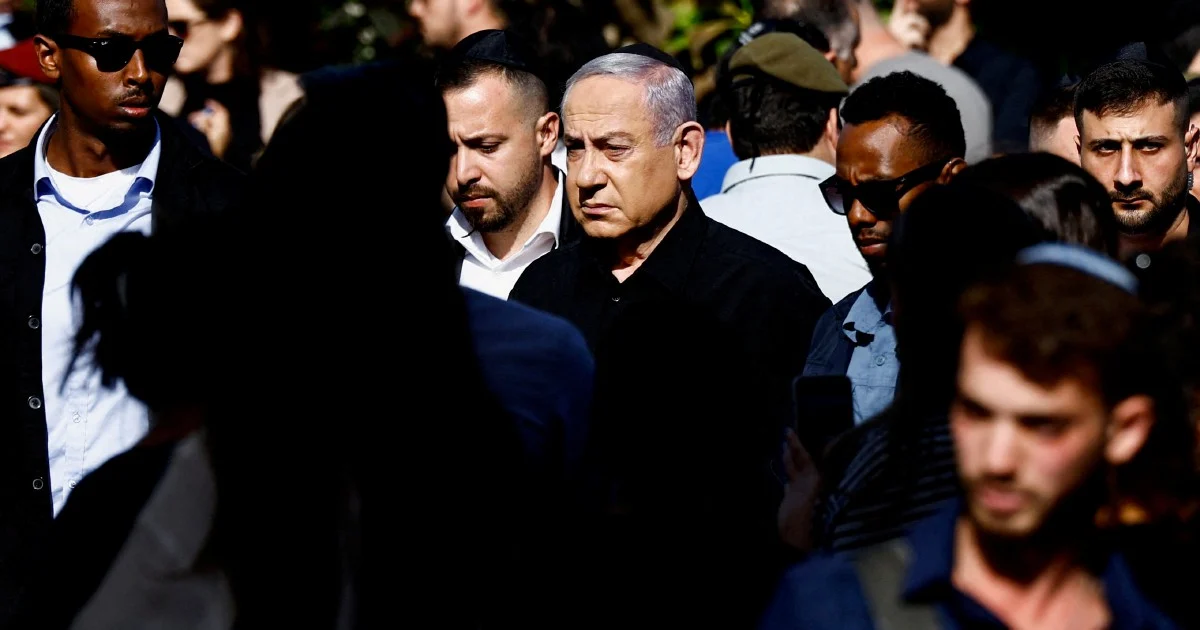
Israeli Prime Minister Benjamin Netanyahu has concluded his testimony in his ongoing corruption trials, according to a justice ministry spokeswoman who confirmed the development to international media outlets on Wednesday. The completion of his testimony marks a significant milestone in the legal proceedings that have shadowed his administration, adding another layer of complexity to an already turbulent period in Israeli politics and foreign policy.
Netanyahu's participation in the trials has been unprecedented in Israeli history, with a sitting prime minister required to personally defend himself against charges of graft and misconduct. The testimony itself has been conducted over several months, reflecting the scope and complexity of the allegations. His legal team has maintained his innocence throughout the proceedings, while critics argue that the trials demonstrate serious questions about governance and ethical standards at the highest levels of Israeli leadership.
The timing of the testimony's conclusion comes as Netanyahu contends with significant diplomatic challenges emanating from the international arena. The administration has been grappling with what it perceives as a detrimental approach to Iran by international powers, particularly concerning negotiations and agreements that Israeli leadership views as inadequately addressing security concerns in the region. This diplomatic friction has created a challenging environment where domestic legal battles and foreign policy crises intersect, demanding the prime minister's attention simultaneously.
Israel has long maintained that any agreement affecting Iranian nuclear capabilities or regional influence must include robust verification mechanisms and address ballistic missile development. The current diplomatic situation has prompted Israeli officials to articulate concerns that proposed arrangements may not sufficiently constrain Iranian activities or protect Israeli and broader Middle Eastern security interests. This stance reflects longstanding Israeli strategic doctrine regarding the threat posed by Iranian regional expansion and nuclear ambitions.
For Malaysia and Southeast Asian observers, Netanyahu's predicament illuminates broader questions about political stability in crucial Middle Eastern allies. Israel's internal political divisions, combined with legal challenges to its leadership, can affect the country's strategic decision-making at moments when regional partners look to its consistency and reliability. The concurrent pressure from corruption proceedings and international diplomacy illustrates how domestic governance challenges can complicate a nation's ability to respond effectively to external security threats.
The corruption trials themselves encompass allegations related to Netanyahu's conduct during his previous tenure as communications minister and his personal financial dealings. The charges include bribery, fraud, and breach of trust—serious accusations that would ordinarily disqualify most political figures from continued service. Nevertheless, Netanyahu has remained in office throughout the legal process, exercising executive authority while simultaneously defending himself in court proceedings that have generated substantial domestic controversy.
The Israeli justice system's handling of the trials has drawn international scrutiny, with observers noting the unprecedented nature of prosecuting a sitting prime minister. The proceedings have been characterized by rigorous examination of evidence and testimony, reflecting the seriousness with which Israeli courts approach such matters. The completion of Netanyahu's testimony represents progress toward eventual verdict, though the appeals process and subsequent legal remedies may extend the overall timeline considerably.
Regional implications of Netanyahu's legal status warrant attention from policymakers across Southeast Asia. A prime minister simultaneously managing major political trials and navigating international disputes may face constraints on strategic flexibility. Israel's broader Middle Eastern positioning, its approach to Palestinian affairs, and its coordination with Arab states on Iran-related concerns could all be influenced by the evolving legal landscape at home. Nations with security relationships with Israel have legitimate interests in understanding how internal political dynamics might affect reliability and consistency in regional partnerships.
The diplomatic tensions surrounding Iran-related agreements add urgency to Netanyahu's situation. Israeli security analysts emphasize that delay in addressing perceived threats may reduce response options as time passes. The prime minister's divided attention between courtroom proceedings and foreign policy decision-making raises questions about optimal governance during periods of heightened regional tension. How effectively Netanyahu can manage both challenges simultaneously will likely influence perceptions of Israeli leadership capacity throughout the international community.
Looking forward, the corruption trials will likely continue progressing through Israel's legal system regardless of political developments. The verdict—whenever it arrives—will have profound implications not only for Netanyahu personally but for Israeli political institutions and democratic norms. Meanwhile, the diplomatic standoff over Iran policy continues to develop, requiring sustained attention and negotiation. The next phase of proceedings will reveal whether the justice system can function independently while a sitting prime minister faces judgment, a test of institutional strength that observers worldwide will be monitoring closely.

