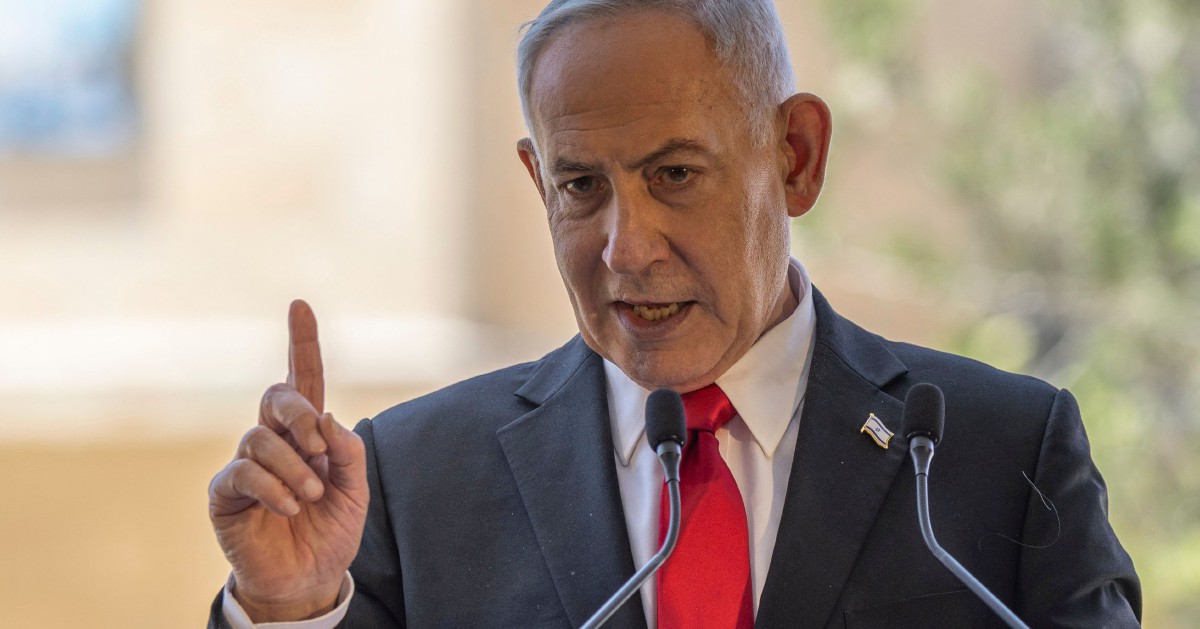
Benjamin Netanyahu's Israeli government is engaged in a legislative sprint through parliament, seeking to pass a slate of contentious bills before the Knesset formally dissolves in the coming days. With national elections scheduled approximately four months ahead, the prime minister's administration is attempting to entrench policies that might face difficulties under a different government or in the extended parliamentary debate that would normally characterise their consideration. Opposition lawmakers and civil society organisations have mounted fierce resistance to the bills, characterising them as opportunistic attempts to reshape the legal and governance landscape during a politically vulnerable moment for the country.
The timing of this legislative push reflects strategic calculations by Netanyahu's coalition. Facing electoral uncertainty and the prospect of transferring power if voters reject his government's leadership, the prime minister's team appears determined to cement key policy objectives while retaining parliamentary authority. This pre-election manoeuvre is not uncommon in democracies, but the scale and controversy surrounding the specific measures under consideration have amplified concerns among observers of Israeli politics. The dissolution of the Knesset triggers a period of government transition and reduced legislative capacity, making these final weeks extraordinarily valuable to any government seeking to accomplish ambitious agenda items.
For Malaysian and Southeast Asian observers, Netanyahu's legislative tactics offer insight into how governments in parliamentary democracies navigate the vulnerable interval between elections. The urgency with which Netanyahu's coalition is pursuing these measures underscores the fundamental difference between electoral timing and policy entrenchment. Once dissolution occurs, the government's power to initiate major legislative changes becomes significantly constrained. This dynamic mirrors situations across the region, where governments facing electoral uncertainty attempt to lock in policy decisions that will prove difficult for successors to reverse or substantially modify.
The opposition's fierce criticism reflects genuine concern about the democratic process and the precedent being established. Critics argue that rushing through controversial legislation during the pre-election period undermines normal parliamentary scrutiny and public deliberation. Bills that might be subjected to extended debate, amendment, and public consultation under normal circumstances are instead being fast-tracked through expedited procedures. This compression of the legislative timeline removes opportunities for meaningful input from affected communities and reduces the capacity of opposition members to present substantive counterarguments.
The particular bills being advanced have triggered alarm across different segments of Israeli society for distinct reasons. Some measures touch on fundamental constitutional questions about the relationship between government institutions and democratic norms. Others address specific policy domains where the government's approach diverges sharply from opposition preferences and the positions advocated by civil society groups. The breadth of the legislative agenda suggests a government determined to address multiple priorities simultaneously rather than concentrating on a narrow set of essential measures.
Interpretation of these tactics depends significantly on one's perspective regarding Netanyahu's political position and the government's underlying motivations. Supporters argue that the government has a democratic mandate to pursue its stated objectives and should accomplish achievable goals before the electoral process resets political alignments. This view emphasises that voters elected the current coalition knowing its policy orientation, and therefore the government should not be constrained from pursuing legitimate agenda items simply because elections approach. Proponents contend that all governments attempt to advance their priorities when circumstances permit, and Netanyahu's actions represent normal political behaviour rather than exceptional overreach.
Detractors counter that the pre-election context creates obligations for restraint and that governments approaching electoral transition should limit themselves to essential business. This perspective holds that rushing controversial legislation contradicts democratic principles requiring broad consensus for major policy changes, particularly those affecting fundamental institutions or rights. Critics emphasise that voters have not yet rendered judgment on the government's record, and therefore using the interval before dissolution to entrench policies appears designed to circumvent the electoral process rather than respect it. This tension between a government's legitimate policy ambitions and democratic concerns about overreach remains contested across the region.
The passage of these bills would have implications extending well beyond the immediate electoral cycle. Many legislative measures, once enacted, become difficult to reverse even under subsequent governments with different political orientations. This durability of legislation makes the pre-election period particularly significant, as bills passed now would survive the election and shape the operational environment for whatever government voters choose. This reality amplifies stakes surrounding Netanyahu's legislative push and explains the intensity of opposition resistance.
Regional and international observers are watching how Israeli institutions manage this transition period. The strength of parliamentary checks on executive power, the willingness of institutional bodies to maintain procedural standards even under time pressure, and the public's receptiveness to opposition arguments will influence perceptions of Israeli democratic health. These observations have relevance throughout the region, where governments regularly face questions about balancing executive efficiency with proper democratic procedure, particularly during politically sensitive periods.
The resolution of this parliamentary battle will depend on multiple factors including the precise composition of Netanyahu's coalition, the ability of opposition forces to delay or obstruct proceedings, and public response to the legislation under consideration. The coming days will reveal whether the government possesses sufficient parliamentary support to overcome resistance and pass its legislative agenda, or whether institutional barriers and opposition mobilisation can block or significantly modify the proposed measures. The outcome will establish precedents for how Israeli political actors navigate the complex terrain between electoral transitions and policy objectives.

