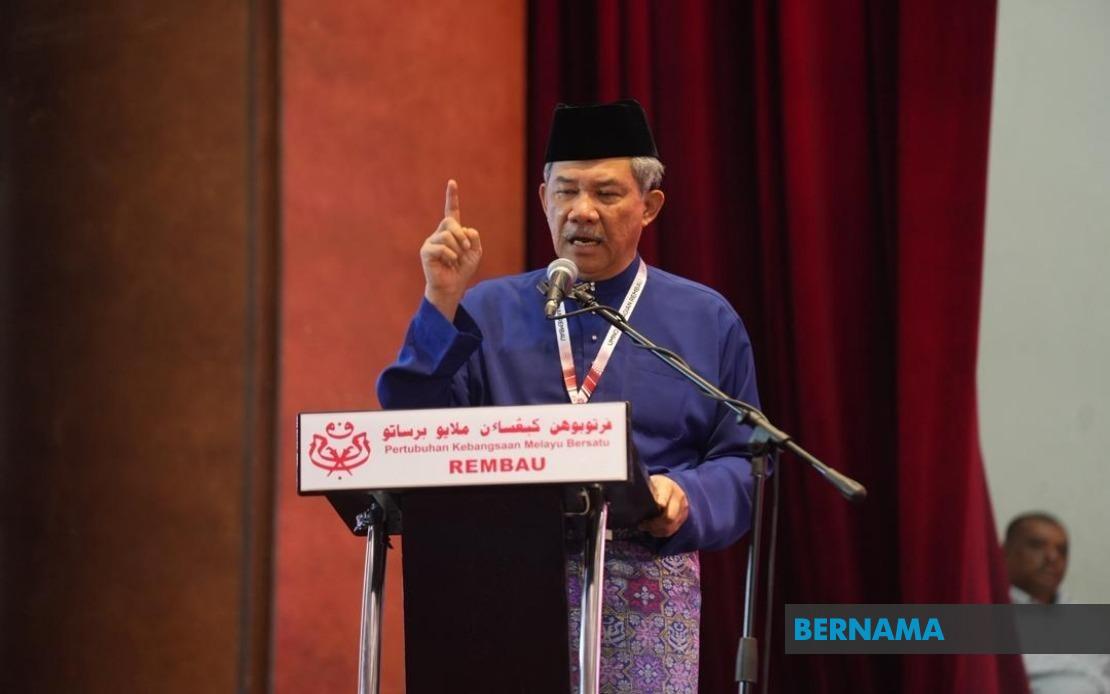
The newly sworn-in executive council members of Negeri Sembilan have been tasked with a critical responsibility: serving as a vital conduit between government machinery and ordinary citizens. Barisan Nasional Deputy Chairman Datuk Seri Mohamad Hasan, who also represents Rantau as a state assemblyman, has declared his confidence in the 10 appointees, maintaining they are well-positioned to deliver quality collaboration with the Menteri Besar and execute their duties across their respective portfolios.
The swearing-in ceremony took place at Istana Besar Seri Menanti in Seremban on August 7, with all appointees taking their oaths before Yang Dipertuan Besar Tuanku Muhriz Tuanku Munawir. This formal occasion marked the beginning of what Mohamad framed as a demanding but essential phase in state administration.
According to Mohamad's assessment, the role of an executive councillor extends far beyond bureaucratic duties. Rather, it represents a two-way communication channel that demands both clarity and responsiveness. Government policies, he explained, must be articulated effectively to the public in terms that resonate with their lived experiences and concerns. This communication function proves particularly important in a Malaysian state context, where diverse communities require transparent dialogue about initiatives affecting their daily lives.
Simultaneously, exco members bear the responsibility of capturing ground-level feedback from their constituencies. This intelligence-gathering exercise encompasses identifying public grievances, collecting constructive suggestions, and synthesising community perspectives that might otherwise remain unheard in formal government circles. By aggregating these inputs, Mohamad contended, the state administration can refine its approach and inject greater relevance into its welfare-enhancing initiatives.
The practical foundation for effective exco performance, Mohamad stressed, rests upon comprehensive departmental briefings. Each appointee must develop a thorough grasp of their portfolio's organisational structure, functional responsibilities, and administrative protocols. This foundational knowledge equips councillors to navigate bureaucratic complexities and implement decisions with confidence, reducing the learning curve that often hampers new office-holders.
Maintaining robust working relationships between exco members and their respective government departments emerged as another critical success factor in Mohamad's framework. Such collegial arrangements, he suggested, facilitate smoother policy implementation and reduce friction between political and administrative wings. When institutional relationships deteriorate, well-intentioned policies often stall or become diluted through poor coordination.
For Malaysian observers, the composition and performance of state-level exco bodies carry broader significance. These councils represent the primary interface where federal frameworks translate into state-specific realities. Their effectiveness determines whether Kuala Lumpur's strategic objectives actually materialise on the ground, particularly in areas such as economic development, infrastructure, and social services. A well-functioning Negeri Sembilan exco thus contributes to Barisan Nasional's credibility in peninsular Malaysia, a region where state governance directly influences voter confidence.
Moreover, the focus on bridging government and community reflects evolving expectations about political accountability in contemporary Malaysia. Citizens increasingly demand not merely policy announcements but genuine engagement around implementation details. Executive councillors who excel at this diplomatic function help legitimise government action and build social licence for administration initiatives.
In a tangential comment, Mohamad also addressed speculation surrounding Melaka's political trajectory, noting that any state election would depend entirely on the Melaka Chief Minister's initiative and the Yang Dipertua Negeri's constitutional approval of legislative dissolution. This observation highlighted the formal constraints surrounding electoral timing in Malaysia's system, demonstrating how state-level politics operates within clearly delineated constitutional parameters.
The August 7 swearing-in ceremony essentially reset the clock on Negeri Sembilan's executive operations. With fresh personnel now occupying these influential positions, the state's administrative machinery faces renewed opportunities to demonstrate whether governance can be truly responsive to public needs. Mohamad's endorsement signals Barisan Nasional's backing for these appointees, though ultimately their track record will determine whether initial confidence translates into sustained public approval and tangible developmental outcomes.

