Efforts to ensure out-of-state voters can return home for the Johor state election this Saturday have intensified, with transport providers stepping up capacity across multiple routes. Stesen Pemantauan Rakyat, a non-governmental organisation, is mobilising six free buses to transport approximately 240 voters residing in Kuala Lumpur and Singapore back to the state, addressing logistical barriers that might otherwise prevent participation in the democratic process.
The initiative reflects a persistent pattern of electoral mobility challenges in Malaysia, where significant numbers of registered voters live outside their electoral constituencies due to employment, education, or family circumstances. For voters in Johor, the distances involved—particularly from the federal capital and the neighbouring city-state—make returning to cast ballots a matter of planning and expense. The NGO's intervention directly targets this friction point in the electoral system.
According to Yong Shui Wen, a representative of the organisation, four buses will depart from Kuala Lumpur on Friday evening at 9 pm, while two additional buses will collect voters at the Sultan Iskandar Building Customs, Immigration and Quarantine Complex here, with departures scheduled for 9 pm Friday and 9 am Saturday. The routes these buses service encompass a broad arc across southern Johor—Tangkak, Muar, Batu Pahat, Pekan Nanas, Segamat, Labis, Kluang, Ayer Hitam and Kulai—suggesting that demand for the service spans multiple constituencies rather than concentrating in any single area.
What renders this initiative noteworthy is its consistency. Yong disclosed that the NGO has maintained this voter transport programme since 2018, meaning it has now run for multiple election cycles. The fact that all available seats on this year's buses have been filled indicates sustained and even growing demand among diaspora voters eager to participate. The encouraging response highlights the genuine appetite among Malaysians living outside their home states to exercise their franchise, provided logistical impediments are removed.
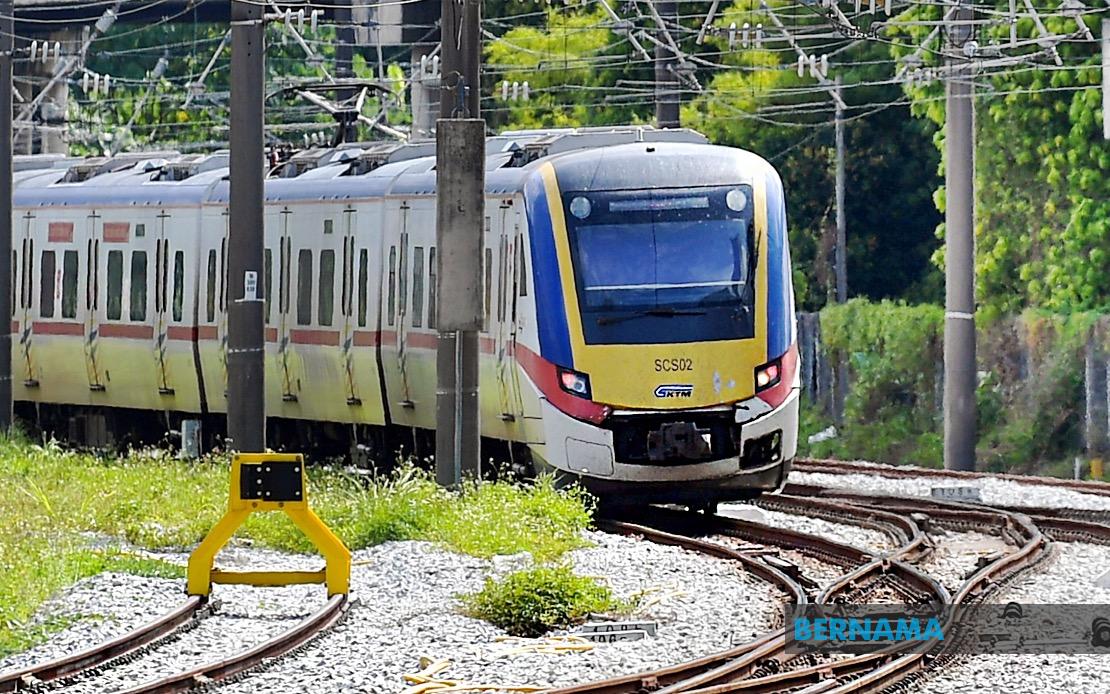
Meanwhile, national rail operator Keretapi Tanah Melayu Bhd has undertaken significant capacity expansions on its Electric Train Service connecting to Johor. Speaking to the media, KTMB Group chief executive officer Datuk Azlan Shah Al Bakri announced that the operator has added 7,560 seats to the KL Sentral-JB Sentral-KL Sentral route for the period from July 10 to 12, effectively doubling the normal capacity to 15,120 seats. This represents a substantial infrastructural commitment to managing what the operator clearly anticipates will be exceptionally high demand during the election period.
The uptake figures reveal how successfully the operator's capacity expansion has addressed voter demand. As of mid-morning on the announcement date, 12,769 seats—equivalent to 84 per cent of total capacity—had already been sold on the mainline KL Sentral route, leaving only 2,351 seats unsold. These numbers suggest that many voters have already secured their transport arrangements through the rail network, though continued availability through Saturday indicates the expansion has successfully prevented complete sell-outs that might have stranded voters.
KTMB has also enhanced capacity on a secondary route serving those within Johor state itself. The Gemas-JB Sentral-Gemas service, which typically accommodates 630 passengers, has been expanded to 4,410 seats during the same election period. This doubling-down strategy on intra-state connectivity reflects awareness that voters from interior Johor regions would also seek convenient rail transport to reach coastal or more accessible polling locations. By mid-morning on announcement day, 2,064 seats representing 47 per cent of capacity had been booked, suggesting more moderate demand on this secondary corridor but still indicating substantial passenger volumes.
Ticket availability through the KTMB Mobile application has become increasingly constrained, with numerous peak-hour services on Friday and Saturday approaching full booking. The operator has advised the public to monitor ticket availability continuously, acknowledging the fluidity of the situation and the possibility that cancellations or additional service windows might open seats. This ongoing advisory reflects operational uncertainty—the operator cannot fully predict final demand patterns and is managing expectations accordingly.
The scale of the election itself contextualises these transport preparations. The 16th Johor state election will see 172 candidates compete for 56 seats across the state, with approximately 2.73 million registered voters eligible to participate. This represents one of Malaysia's more significant sub-national elections, and the geographic spread of constituencies combined with the substantial voter population outside Johor means that transport logistics become a material factor in determining actual turnout.
The convergence of these initiatives—the NGO buses and the railway capacity expansions—reveals how electoral logistics have become embedded considerations in Malaysian electoral administration and civic engagement. Rather than viewing barriers to voter participation as inevitable, both private civil society and public transport operators have identified specific pain points and deployed targeted solutions. For voters in Kuala Lumpur and Singapore particularly, the free bus service removes a financial barrier; for those relying on rail, the expanded capacity ensures that transport availability will not be the limiting factor in their ability to vote.
These efforts carry implications beyond the immediate election. They demonstrate that out-of-state voting, while presenting logistical challenges, remains integral to Malaysian electoral participation and is manageable through coordinated action. Policymakers observing these initiatives might consider whether more systematic arrangements—perhaps negotiated passenger transport agreements between election authorities and transport operators—could be institutionalised to support voter mobility across future elections.

