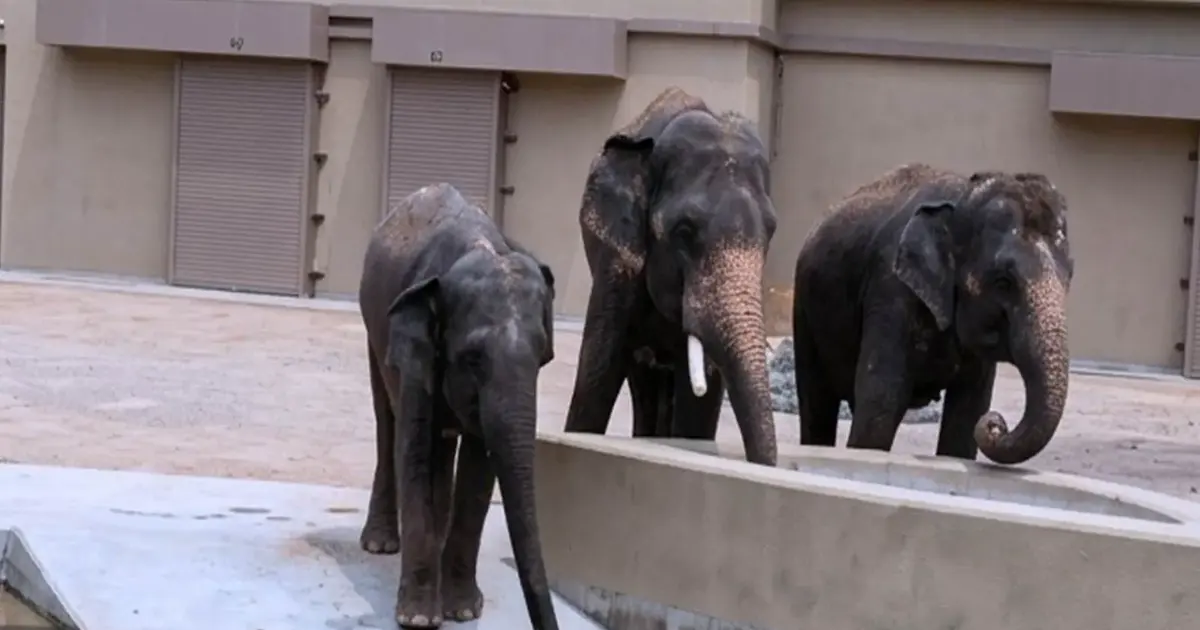
A prominent Malaysian wildlife conservation group has escalated concerns about the transfer of elephants to Japan by requesting that the federal police's Bukit Aman headquarters establish a dedicated task force to examine the controversial shipment. Peka, a respected conservation organisation, has levelled serious allegations regarding documentation inconsistencies and potential breaches of Malaysian legislation and international wildlife commitments, signalling deepening scrutiny over what has become one of the region's more contentious animal welfare matters.
The NGO's appeal to law enforcement represents a significant shift from routine regulatory oversight to criminal investigation terrain, underscoring the gravity of the alleged violations. Rather than confining the matter to administrative review by wildlife authorities, Peka's move to involve Bukit Aman suggests the organisation believes evidence points toward deliberate misconduct or systematic negligence warranting police intervention. This escalation reflects broader concerns within Malaysia's conservation community about accountability in international wildlife transactions.
Peka's central allegation focuses on irregularities within the shipping documentation accompanying the elephants destined for Japanese facilities. According to the NGO's assessment, discrepancies between various documents raise questions about the legitimacy of the entire transaction process. These document irregularities are not merely technical oversights but potentially indicate that proper protocols were circumvented or falsified, which would constitute criminal conduct under Malaysian law.
The probe requested by Peka should examine whether the elephant transfer adhered to Malaysia's domestic wildlife legislation, particularly the Wildlife Act 1972 and associated regulations governing the export of protected species. Malaysia classifies elephants as protected fauna, and their international movement requires explicit authorisation and compliance with stringent conditions. The NGO's request implicitly questions whether appropriate permits were obtained and whether the relevant authorities properly evaluated whether the transfer served legitimate scientific, educational, or conservation purposes.
Equally important to Peka's complaint is the question of compliance with international obligations binding Malaysia. The Convention on International Trade in Endangered Species (CITES) establishes a global framework governing trade in endangered wildlife, including Asian elephants. Malaysia, as a signatory nation, must ensure that any export meets CITES requirements, including non-detriment findings demonstrating that the shipment will not harm wild populations. The NGO's call for investigation implicitly raises whether Malaysian authorities verified these international standards before permitting export.
The broader context of this matter extends beyond regulatory compliance to questions of animal welfare and conservation ethics. Transferring elephants across continents involves significant stress and health risks for the animals, raising welfare concerns even when procedures are technically lawful. Conservation advocates argue that such transfers should only occur when compelling scientific justification exists, such as participation in genuine breeding programmes aimed at species preservation. Peka's intervention reflects scepticism about whether the Japan project meets these exacting standards.
For Malaysian readers and regional observers, this situation illustrates the challenges wildlife agencies face in balancing international commerce, diplomatic relations, and conservation principles. Japan maintains active cultural and commercial relationships with Southeast Asian nations, and wildlife transactions can become entangled with broader bilateral considerations. Peka's determination to pursue police investigation suggests the organisation believes commercial interests may have superseded conservation and legal requirements, a dynamic relevant to Malaysia's wider struggle to protect its remaining wildlife heritage amid development pressures.
The elephant transfer matter also reflects evolving international expectations regarding wildlife protection. Global conservation standards have shifted significantly toward prioritising habitat preservation and wild population stability over captive animal collections, particularly for sentient species like elephants. Japanese institutions receiving Malaysian elephants might face increased international scrutiny, and Malaysian authorities could experience reputational consequences if investigations reveal systemic failures in wildlife export oversight.
Peka's decision to escalate formally to Bukit Aman indicates the organisation possesses documentation or evidence it deems sufficient to warrant criminal investigation. The NGO typically engages in advocacy rather than law enforcement referral, suggesting this case represents a particularly egregious instance in Peka's assessment. The specific allegations regarding shipping document discrepancies provide concrete investigative leads for police, moving beyond abstract concerns to tangible evidence of potential fraud or procedural violation.
The investigation's scope should encompass multiple institutional actors: the wildlife authorities that approved the export, the shipping companies and logistics providers that handled the elephants, and any intermediary organisations that facilitated the transaction. Document irregularities might have originated from careless record-keeping, deliberate falsification, or deliberate concealment of material information that would have triggered regulatory rejection. Distinguishing between these possibilities requires forensic examination of documentary evidence and witness testimony.
For Malaysia's conservation community, Peka's formal request to Bukit Aman represents a strategy to apply institutional pressure through law enforcement channels when administrative appeals appear exhausted or ineffective. Success in obtaining a serious police investigation could establish precedent for challenging future wildlife transactions deemed problematic by conservation advocates. Conversely, if police investigations prove cursory or ineffective, the result might embolden further exports and signal that regulatory constraints on wildlife commerce carry minimal enforcement consequences.
The implications extend across Southeast Asia, where multiple nations struggle to maintain credible wildlife protection systems while managing international commerce and diplomatic relationships. Malaysia's handling of the elephant investigation will inform regional neighbours' confidence in each nation's commitment to international conservation standards. A thorough police investigation demonstrating genuine accountability could reinforce wildlife protection mechanisms across the region, while inadequate investigation might undermine conservation efforts throughout Southeast Asia by demonstrating that legal frameworks protecting endangered species remain vulnerable to circumvention.

