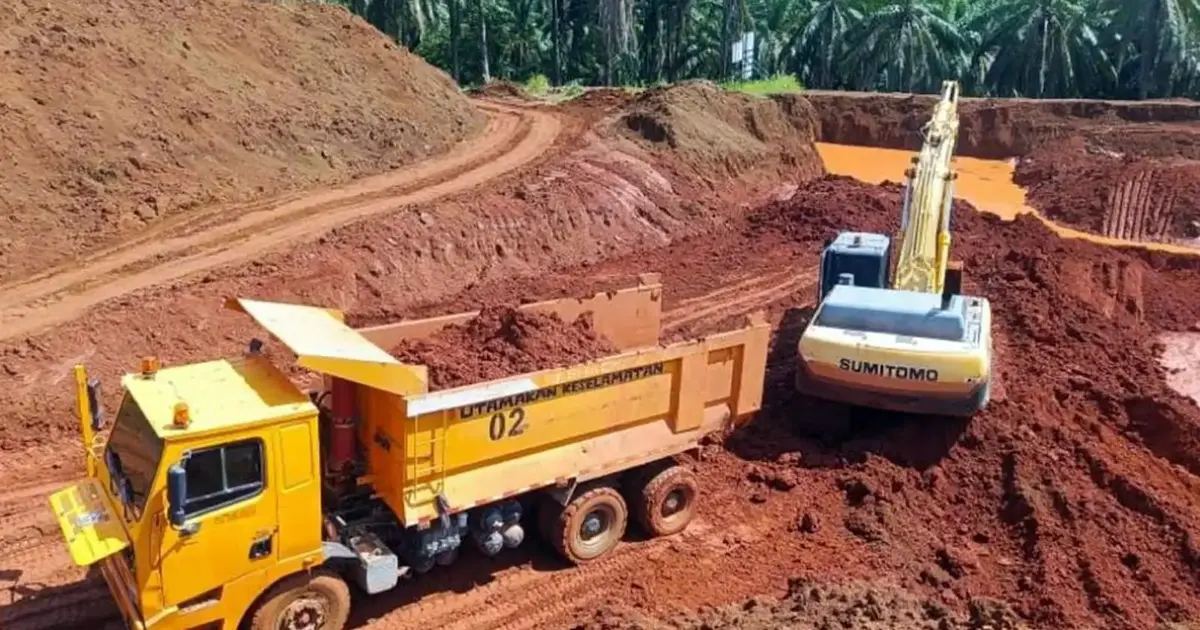
Authorities have arrested nine individuals suspected of orchestrating illegal bauxite mining operations at a Felda plantation, in a significant enforcement action that has brought the persistent problem of unauthorised mineral extraction under fresh scrutiny. The General Operations Force conducted the raid, which culminated in the seizure of assets and equipment valued at RM3.75 million, signalling an intensified effort by law enforcement to combat the lucrative black market in bauxite extraction that has plagued agricultural concessions across Malaysia.
The arrested suspects include a number of foreign nationals, indicating the transnational dimension of organised illegal mining in the region. Such operations typically require coordinated logistics, financial backing, and specialised equipment, suggesting involvement of criminal syndicates with international reach. The presence of foreign operatives in these ventures reflects broader patterns of migrant worker involvement in illicit resource extraction activities across Southeast Asia, where porous borders and limited monitoring create opportunities for organised crime groups to establish operations in remote locations.
Felda plantations, managed by the Federal Land Development Authority, have emerged as particular flashpoints for illegal bauxite mining. These vast agricultural holdings, often located in mineral-rich areas of Peninsular Malaysia, present attractive targets for organised syndicates seeking to exploit natural resources without incurring licensing fees or environmental compliance costs. The accessibility of these plantation lands, combined with relatively sparse security infrastructure compared to commercial mining sites, has made them vulnerable to infiltration by illegal operators.
The economic incentives driving bauxite smuggling remain formidable. Bauxite, the primary ore of aluminium, commands steady international demand, particularly from industrial markets in Southeast Asia and beyond. Criminal networks have established efficient supply chains that move illegally extracted bauxite through ports or land crossings, often disguised or misdeclared, ultimately reaching legitimate processing facilities or black-market refineries. This lucrative trade has proven resilient despite periodic enforcement actions, with operators rapidly relocating operations or restructuring their networks following police intervention.
Environmental degradation accompanying unauthorised bauxite extraction poses substantial consequences for agricultural productivity and ecosystem integrity. Mining operations strip topsoil, destabilise landscapes, and contaminate water resources, rendering rehabilitation expensive and time-consuming. For Felda settlers and surrounding communities, such incursions represent both economic loss through land degradation and health hazards from uncontrolled industrial activity. The cumulative environmental burden extends beyond individual plantation sites, affecting watershed systems and biodiversity across larger regions.
The RM3.75 million asset seizure likely comprises excavation equipment, transportation vehicles, processing machinery, and financial instruments used to finance and operate the mining enterprise. Such comprehensive asset confiscation aims to disrupt operational capacity and impose financial penalties that deter future involvement. However, law enforcement agencies acknowledge that well-resourced criminal organisations often absorb such losses as operational costs, calculating that profit margins from bauxite sales justify the occasional loss of equipment to police action.
This raid reflects broader governmental priorities to strengthen resource security and environmental protection. The General Operations Force, typically deployed for counterinsurgency and border security, increasingly finds itself mobilised for environmental crime enforcement, indicating the escalating threat level associated with organised illegal mining. The interagency coordination required for such operations underscores recognition that combating entrenched illegal mining networks demands specialised tactical capabilities beyond standard police resources.
The involvement of Felda plantations in these enforcement actions has raised questions about the adequacy of security arrangements protecting valuable agricultural concessions. Felda, which manages approximately 730,000 hectares of plantations, has sought to strengthen monitoring systems and collaborate more intensively with law enforcement. Nevertheless, the vast territorial expanse and remote character of many plantations create persistent vulnerabilities that criminal networks continue to exploit.
For Malaysia's minerals sector, the bauxite smuggling problem undermines efforts to develop transparent, regulated domestic mining industries. Legitimate operators face competitive pressures from illegal producers who incur no environmental or fiscal obligations, while the international reputation of Malaysian bauxite markets suffers from association with contraband trade. Addressing this challenge requires sustained interdiction capacity, enhanced monitoring technology, and international cooperation to disrupt export channels through which smuggled bauxite reaches final markets.
The arrest and asset seizure represent important tactical victories, yet structural solutions demand sustained commitment. Authorities must maintain pressure on supply chains, enhance border controls, and strengthen coordination between agricultural, environmental, and law enforcement agencies. Simultaneously, broader initiatives addressing economic motivations driving participation in illegal mining—including employment creation in affected regions and strengthened livelihood support for communities vulnerable to recruitment by criminal networks—represent essential complementary strategies for achieving durable reductions in unauthorised resource extraction across Malaysian territory.

