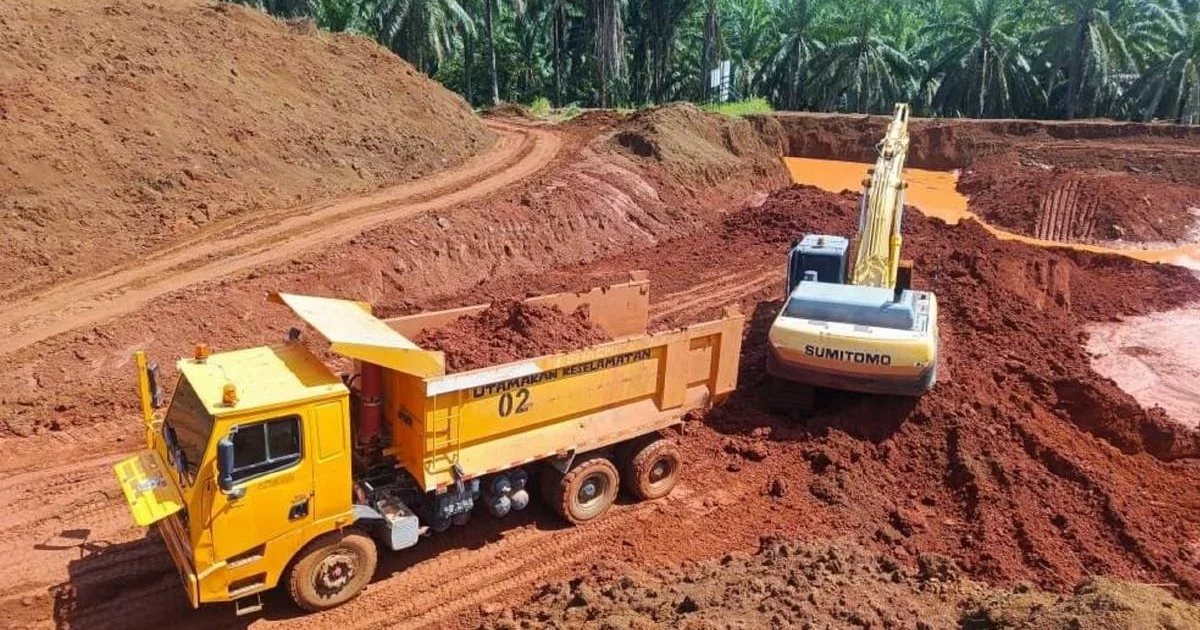
A significant crackdown on illegal mining in Pahang has resulted in the arrest of nine individuals and the confiscation of equipment and extracted materials valued at RM3.75 million. The operation, which targeted a clandestine mining site on a Felda plantation in Bukit Goh, Kuantan, has exposed the continuing problem of unregulated bauxite extraction in the state. Authorities seized approximately 10,000 tonnes of bauxite-bearing soil during the enforcement action, alongside heavy machinery and lorries that formed part of the illegal operation's infrastructure.
The raid reflects ongoing efforts by regulatory bodies to combat mining activities that operate outside legal frameworks and violate land-use agreements. Felda plantations, which are meant for agricultural purposes under federal land development schemes, have increasingly become targets for illegal mining operations seeking to exploit mineral deposits. The Bukit Goh location is particularly significant as bauxite reserves in Pahang have attracted considerable illegal extraction activity over recent years, driven by the material's value in aluminium production and export markets.
The scale of the haul—both in terms of extracted material and equipment value—indicates this was not a small-scale opportunistic operation but rather an organised venture with substantial investment in machinery. The seizure of multiple lorries and heavy equipment suggests the operation had mechanisms for processing and transporting the extracted bauxite-bearing soil, likely for sale to buyers either domestically or for export. This infrastructure element distinguishes it from ad-hoc mining activities and points to a degree of coordination and financial backing.
Illegal bauxite mining has been a persistent headache for Malaysian authorities, particularly in Pahang and Selangor, where significant deposits exist near populated and agricultural areas. Beyond the immediate environmental damage—soil degradation, water pollution, and landscape disruption—these operations circumvent royalty payments and tax obligations that legitimate miners must shoulder. The economic model of illegal mining therefore operates at an unfair advantage to licensed operators who bear regulatory compliance costs, creating market distortions.
The environmental consequences of unregulated bauxite extraction are substantial and long-lasting. Mining operations strip topsoil, exposing laterite layers and causing severe land degradation that renders affected areas unsuitable for agriculture or other productive use for extended periods. Water bodies near mining sites risk contamination from sediment runoff and chemical leachates, affecting downstream communities and agricultural zones. The ecological footprint extends beyond the immediate extraction site, with habitat loss and biodiversity impacts in surrounding forested areas.
Felda's vulnerability to such intrusions reflects challenges in protecting large tracts of land designated for agricultural development. The plantation scheme operates across numerous parcels across Malaysia, and maintaining security and monitoring across all sites presents logistical difficulties. Criminal syndicates exploiting these gaps understand the enforcement complexities and calculate the risks of detection against potential profits. The nine arrests suggest coordinated surveillance and intelligence-gathering preceded the raid, indicating authorities are adopting more proactive investigative approaches.
The detained individuals face potential charges under mining legislation, which carries penalties including substantial fines and imprisonment for those convicted of illegal extraction and equipment operation. The seized equipment's confiscation represents a significant financial loss to the operation's organisers and sends a deterrent signal to others considering similar ventures. However, enforcement actions alone have historically proven insufficient to eliminate illegal mining, as economic incentives for extraction remain strong and supply chains for illegally obtained bauxite continue to function.
Pahang's bauxite sector has attracted international attention, with environmental and human rights organisations documenting the environmental toll of both legal and illegal mining activities. The state government and federal authorities face mounting pressure to strengthen monitoring and enforcement while simultaneously ensuring legitimate mining operations can continue under proper regulation. Balancing these objectives requires adequate funding for surveillance infrastructure, personnel training, and inter-agency coordination.
The broader context includes global demand fluctuations for bauxite and aluminium, which influence the profitability calculations of illegal operators. When international prices for these commodities rise, incentives for unlicensed extraction intensify. Market dynamics in China and other major aluminium-producing nations therefore indirectly shape the prevalence of illegal mining in Malaysia. Regional cooperation to track and intercept illegally sourced bauxite could complement domestic enforcement efforts, though implementation faces practical and diplomatic obstacles.
Looking ahead, authorities will likely intensify patrols and surveillance at high-risk sites on Felda plantations and other vulnerable areas. The success of this raid may encourage similar operations at other suspected illegal mining locations. However, sustainable solutions require addressing the root causes driving illegal mining—namely the profitability gap between regulated and unregulated operations, and the existence of ready markets for illegally extracted material. Strengthening supply-chain transparency and imposing stricter requirements on bauxite purchasers to verify the legal status of their materials could help reduce demand-side incentives for illegal extraction.

