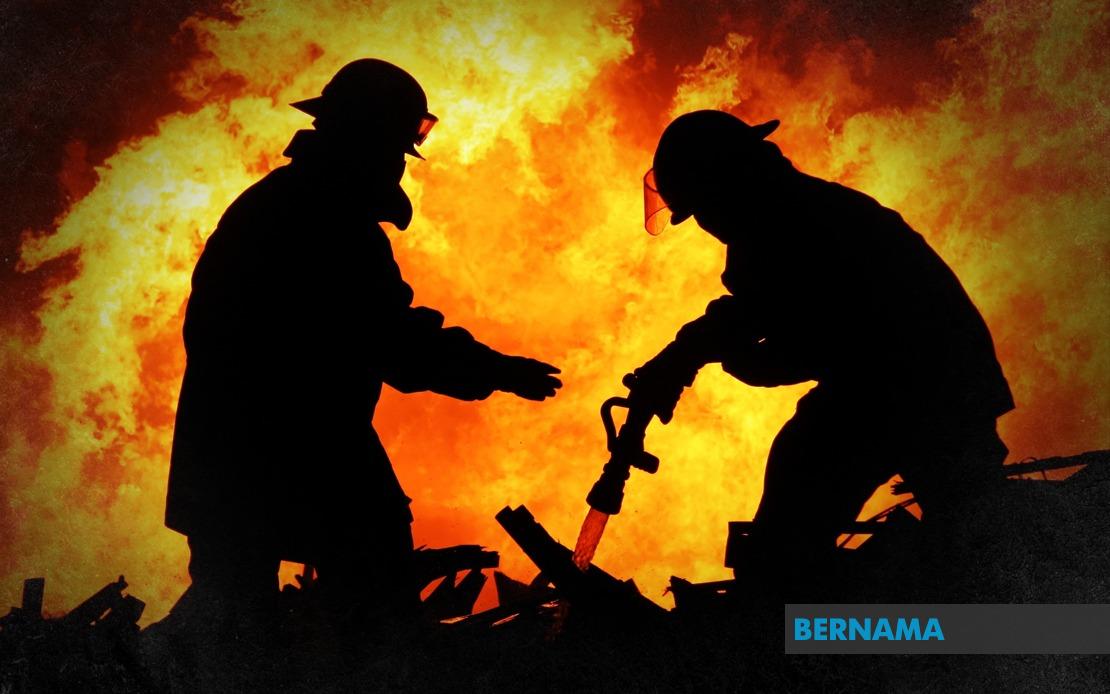
A catastrophic explosion at a firecracker manufacturing plant in Gujarat's Ahmedabad district has claimed nine lives, with several others sustaining serious injuries in what represents yet another tragedy in India's historically unsafe explosives production sector. The blast occurred at Talent Fireworks, situated in the Vastral locality, where rescue teams recovered nine bodies from the debris. Six additional workers were hospitalised with varying degrees of injury following the Saturday incident, though their conditions have not been detailed in official reports.
The facility where the blast took place was discovered to have been operating without the requisite regulatory licences and permits mandated by Indian law. Authorities subsequently apprehended the factory proprietor, initiating a formal criminal investigation into how the operation functioned beyond official oversight. This revelation underscores a persistent pattern of non-compliance within India's fireworks manufacturing industry, where financial incentives to bypass bureaucratic requirements frequently outweigh the risks of industrial accidents and loss of life.
India's firecracker and explosives manufacturing sector remains notoriously plagued by safety lapses. The industry operates across numerous small-scale, often clandestine facilities that prioritise production volume and cost minimisation over worker protection and stringent safety protocols. Poor ventilation, inadequate fire suppression systems, untrained personnel, and substandard equipment storage characterise many such operations. When major accidents occur—as they do with troubling regularity—the consequences are invariably devastating and claim a disproportionate toll on low-wage workers with minimal occupational protection.
Prime Minister Narendra Modi acknowledged the tragedy by issuing a formal statement of condolence to the affected families. As a response mechanism, his office announced that 200,000 rupees, equivalent to approximately RM8,490, would be distributed from the Prime Minister's National Relief Fund to the dependents of each deceased worker. This compensation, whilst acknowledging the government's responsibility to provide support, remains modest when measured against the actual economic loss experienced by families who have lost breadwinners.
Gujarat's state administration moved swiftly to complement the central government's relief package. Chief Minister Bhupendra Patel declared that the state government would allocate 400,000 rupees—approximately RM16,980—to each bereaved family. This state-level contribution, combined with the prime minister's award, brings the total immediate financial assistance to 600,000 rupees per family. Notwithstanding these measures, critics argue that monetary compensation alone cannot address the systemic failures in regulatory enforcement that permitted an unlicensed facility to operate in the first place.
The tragedy has renewed scrutiny of India's factory inspection regime and the effectiveness of regulatory bodies tasked with monitoring hazardous industries. The fact that Talent Fireworks operated without proper authorisation raises uncomfortable questions about the frequency of inspections and the consequences imposed for non-compliance. Many small-scale manufacturers in remote industrial zones evade detection for extended periods, continuing operations despite lacking essential certifications. The burden of accountability ultimately falls upon the regulatory apparatus, which in many jurisdictions faces resource constraints and competing priorities.
Firecracker and explosives manufacturing occupies a peculiar position within India's industrial landscape. The production of fireworks generates substantial economic activity, particularly during festival seasons when consumer demand surges dramatically. This seasonal demand cycle incentivises manufacturers to ramp up production rapidly, often without corresponding investments in safety infrastructure. Workers, drawn predominantly from economically disadvantaged backgrounds with limited employment alternatives, accept hazardous working conditions out of necessity rather than choice. The power differential between employers and workforce compounds the challenge of enforcing safety standards.
For Malaysia and other Southeast Asian nations, the incident carries cautionary implications. Many fireworks consumed across the region are manufactured in India or imported through Indian suppliers, creating indirect linkages to the safety standards and regulatory practices endemic to Indian production facilities. Malaysian importers and distributors, while obligated to meet domestic safety and quality requirements, have limited visibility into actual manufacturing conditions at source facilities. This geographical and institutional distance can enable substandard products to enter regional supply chains.
The disaster also highlights broader questions concerning worker protections in hazardous manufacturing across South Asia. Labour standards, occupational health and safety regulations, and enforcement mechanisms remain inconsistently applied across the region's industrial sectors. Migrant workers and those in informal employment relationships often lack the legal protections theoretically extended to permanent, documented workers. The deaths at Talent Fireworks represent not merely individual tragedies but systemic failures that perpetuate cycles of exploitation and preventable loss of life.
Government authorities in Gujarat and at the national level have signalled commitment to tightening regulatory oversight following this incident. Announcements regarding enhanced inspection protocols and stricter penalties for unlicensed operations are typically forthcoming after major accidents, though the sustainability and effectiveness of such measures remain uncertain. Previous investigations into similar disasters have frequently resulted in renewed pledges to strengthen safety standards, yet recurring tragedies suggest that implementation gaps persist.
The human cost of this explosion extends far beyond the immediately documented casualties. Families have lost income sources, communities have lost members, and the psychological trauma inflicted on survivors and witnesses will persist long after media coverage fades. These broader impacts rarely feature prominently in official compensation frameworks, which typically restrict themselves to financial transfers to next-of-kin. A comprehensive response would address not only immediate relief but also preventive measures, regulatory reform, and support for long-term rehabilitation of injured survivors and grieving families.

