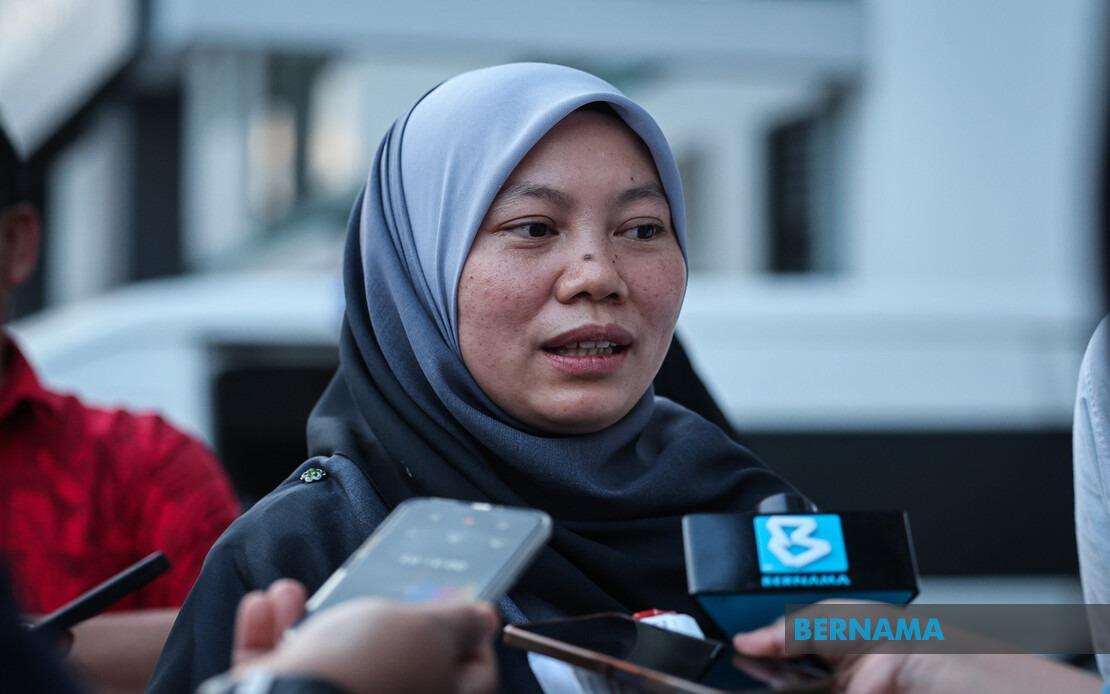
Pakatan Harapan's bid to retain the Tiram state seat appears bolstered by the campaign momentum its candidate Nor Zulaila Abd Ghani is experiencing on the ground in Pasir Gudang. Speaking after a meet-and-greet with Entrepreneur Development and Cooperatives Minister Steven Sim Chee Keong in Kota Masai, Nor Zulaila expressed genuine optimism about her electoral prospects, attributing her confidence to the quality of voter reception she has encountered during the campaign trail.
The positive reception stands in sharp contrast to occasional online criticism, highlighting a significant gap between digital discourse and real-world sentiment that has become increasingly apparent in Malaysian politics. Nor Zulaila acknowledged that whilst some disparaging remarks have surfaced on social media platforms such as Facebook, the ground reality tells a different story. Her observation underscores a crucial distinction for election analysts: the loudest voices in online spaces do not necessarily represent the prevailing mood among ordinary voters who will ultimately decide the outcome on voting day.
Central to Nor Zulaila's assessment of her standing is the grassroots support she perceives for Pakatan Harapan across the Tiram constituency. Rather than relying solely on traditional campaign methods, she has deliberately cultivated a campaign strategy that prioritises authentic community engagement through recreational and sporting activities. This approach reflects a broader understanding that young voters in particular respond better to candidates who demonstrate genuine interest in their daily lives rather than those who appear only during election campaigns.
Sports have become an unconventional but effective campaign tool in her arsenal. By participating in sepak takraw, futsal, and snooker matches alongside local residents, Nor Zulaila has created informal settings where political conversations can naturally occur without the formality that often alienates younger demographics. These activities serve multiple purposes simultaneously—they build personal rapport, establish the candidate as accessible and relatable, and create organic opportunities to discuss her candidacy.
Young voter engagement remains a particular concern for Nor Zulaila, as she recognises that a considerable segment of the youth population harbours scepticism toward Malaysia's political establishment. Rather than dismissing this sentiment, she has chosen to address it directly by emphasising the tangible consequences of electoral participation. Her messaging to younger voters focuses on a fundamental democratic principle: that government policies affecting their daily lives, from economic opportunities to social development initiatives, are directly shaped by electoral outcomes.
This educational dimension of her campaign addresses a genuine problem in Malaysian electoral politics—the tendency for younger citizens to view voting as a ceremonial obligation rather than a mechanism for meaningful change. By connecting voting behaviour to practical policy outcomes, Nor Zulaila attempts to reframe political participation as a tool for self-interest rather than mere civic duty. Such messaging has proven particularly resonant with voters who have grown disillusioned with conventional political appeals.
The campaign has not proceeded without friction. Nor Zulaila expressed disappointment regarding the recent vandalism of her campaign billboard, an incident that reflects the occasional hostility that marred previous electoral cycles in Malaysia. Rather than responding with escalation, she has appealed for maturity and civility from all competing parties throughout the remainder of the campaign period. This restraint demonstrates political sophistication, as inflammatory responses to minor provocations often alienate moderate voters who favour candidates exhibiting composure under pressure.
The timing of the Johor state election carries significance for broader Malaysian politics. Scheduled for July 11, with early voting slated for July 7, the contest will provide early indicators of voter sentiment heading into subsequent electoral contests. The Tiram seat represents one of several closely watched constituencies where opposition and ruling coalition parties are locked in competitive races. Nor Zulaila's apparent momentum in her constituency could have ripple effects across the wider state election, influencing both campaign strategies and voter enthusiasm among Pakatan Harapan supporters statewide.
Geographically, the Pasir Gudang area where Nor Zulaila has concentrated her efforts is predominantly urban and industrial, home to significant manufacturing and petrochemical sectors. Such constituencies typically feature diverse voter demographics spanning manual labourers, skilled technicians, entrepreneurs, and service sector workers. Each group carries distinct policy priorities and electoral concerns, requiring candidates to articulate nuanced positions rather than broad generalisations. Nor Zulaila's ground-focused approach allows her to address these varied constituencies more effectively than media-centric campaigns.
The evolution of campaign tactics evident in Nor Zulaila's approach reflects broader learning within Malaysian political parties about voter behaviour and engagement. The traditional model of large rallies and media appearances has gradually given way to smaller, community-based interactions that prioritise authenticity over spectacle. This shift suggests that candidates who can authentically connect with voters through shared recreational interests and genuine dialogue possess electoral advantages over those relying on outdated campaigning methods.
Looking ahead to the July 11 election, Nor Zulaila's expressed confidence appears grounded in tangible campaign feedback rather than mere optimism. Her systematic approach to youth engagement, combined with apparent acceptance across different voter segments, positions her competitively within the Tiram contest. However, Malaysian state elections remain unpredictable affairs where ground sentiment, campaign effectiveness, and voter turnout dynamics interact in complex ways. The actual electoral outcome will ultimately determine whether her optimism proves justified or whether unforeseen factors shift the result unexpectedly on polling day.

