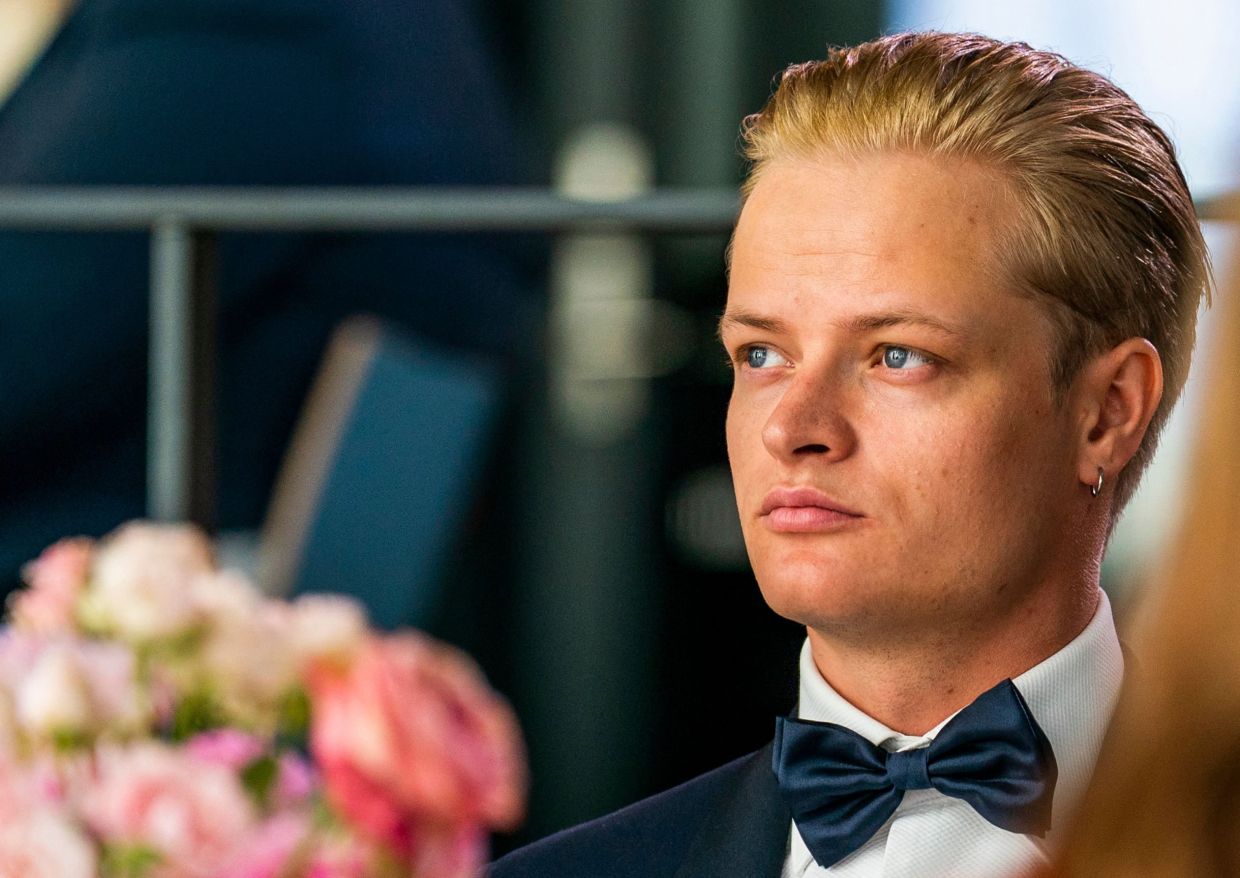
An Oslo court has handed down a four-year prison sentence to Marius Borg Høiby, the 29-year-old eldest son of Crown Princess Mette-Marit, following his conviction on two rape charges that emerged from incidents spanning 2018 to 2024. The verdict, delivered on Monday via video link as Høiby was unable to attend in person due to health reasons, marks the conclusion of a six-week trial that captivated international media attention. While Høiby was acquitted of two of the four original rape allegations, the court also found him guilty of assault and abuse within intimate relationships, necessitating compensation payments to those harmed.
The charges against Høiby encompassed far more than the rape convictions, with prosecutors originally bringing 40 criminal counts. These encompassed drug-related offences, violations of restraining orders, and various forms of assault alongside the sexual assault allegations. The sexual assault charges involved four women who were either asleep or otherwise incapacitated when the alleged incidents occurred. Høiby had maintained his innocence regarding the rape charges whilst conceding to several lesser offences, a strategy his defence team employed to seek a minimal custodial sentence.
The sentencing reflects a middle position between two starkly different positions presented to the court. Prosecutors had advocated for a substantially longer prison term of seven years and seven months, reflecting the severity of the charges and the state's view of Høiby's culpability. His legal representatives, conversely, had urged the court to dismiss the rape allegations entirely and restrict any sentence to eighteen months for the offences their client acknowledged. The court's decision to impose four years represents a significant rejection of the defence position whilst falling substantially short of the prosecution's recommendation.
The trial proceedings themselves revealed considerable detail regarding Høiby's alleged conduct, with accusers providing testimony across the six-week period. Prosecutors supplemented this witness testimony with substantial documentary evidence recovered from Høiby's mobile device, including messages, photographs and video materials. This technological evidence apparently proved pivotal in establishing two of the four rape allegations to the court's satisfaction, even as the same materials failed to support conviction on the remaining two counts.
For Malaysian and Southeast Asian observers, this case underscores how even wealthy, connected individuals within developed democracies face accountability through their legal systems. The Norwegian court system's handling of the case—progressing through trial despite the defendant's royal connections—demonstrates the independence of Nordic judicial institutions. Yet the case also illustrates the complexities that arise when family relationships intersect with serious criminal charges, particularly where public figures are involved.
Høiby's background distinguishes him from typical criminal defendants in ways that generated controversy throughout the proceedings. Born from Crown Princess Mette-Marit's relationship prior to her marriage to Crown Prince Haakon, the heir to Norway's throne, Høiby holds no formal royal title and carries no official governmental responsibilities. Nevertheless, he grew up within the royal household and benefitted from proximity to the future king, circumstances that likely shaped public and media interest in the case. His status as a member of the extended royal family, despite his lack of official status, fundamentally altered how the case received coverage globally.
The ongoing health crisis affecting Crown Princess Mette-Marit has added another layer of complexity to an already sensitive situation. The crown princess suffers from pulmonary fibrosis and awaits a lung transplant, a situation that intensified focus on her son's legal proceedings. Defence arguments for Høiby's temporary release from custody prior to sentencing were rejected by appeals courts, ensuring he remained detained throughout the verdict delivery. The deteriorating condition of his mother, a central figure within the Norwegian state, necessarily influenced public perception of the case's significance and urgency.
Further complicating the royal family's current circumstances have been recent revelations regarding Crown Princess Mette-Marit's historical interactions with Jeffrey Epstein, the disgraced American financier convicted of sex offences. The crown princess acknowledged these contacts publicly and apologised for exercising poor judgment in maintaining the relationship, whilst simultaneously asserting her absence of wrongdoing in any criminal sense. The surfacing of this information during the period when her son's trial was concluding created an additional reputational challenge for the Norwegian monarchy.
The sentence rendered on Monday is not conclusive, as Norwegian law permits criminal convictions to be contested through the appeals process. Høiby maintains the option to pursue an appeal challenging the rape convictions, the assault and abuse findings, or potentially the length of the sentence imposed. This procedural possibility means the case may extend further into the court system, potentially prolonging media coverage and the attention directed toward the royal family during an already turbulent period for the institution.
The intersection of privilege, state accountability, and family tragedy evident in this case resonates beyond Scandinavia. For observers across Southeast Asia, where debates about judicial independence and equal treatment before the law remain active political questions, the Norwegian court's willingness to convict and incarcerate a person with royal connections offers both an encouraging and cautionary example. The outcome demonstrates that formal legal systems can function without deference to social status, though the trial's prominence and the resources deployed in its prosecution also highlight how access to elite legal representation and media amplification can transform criminal proceedings into matters of public spectacle.