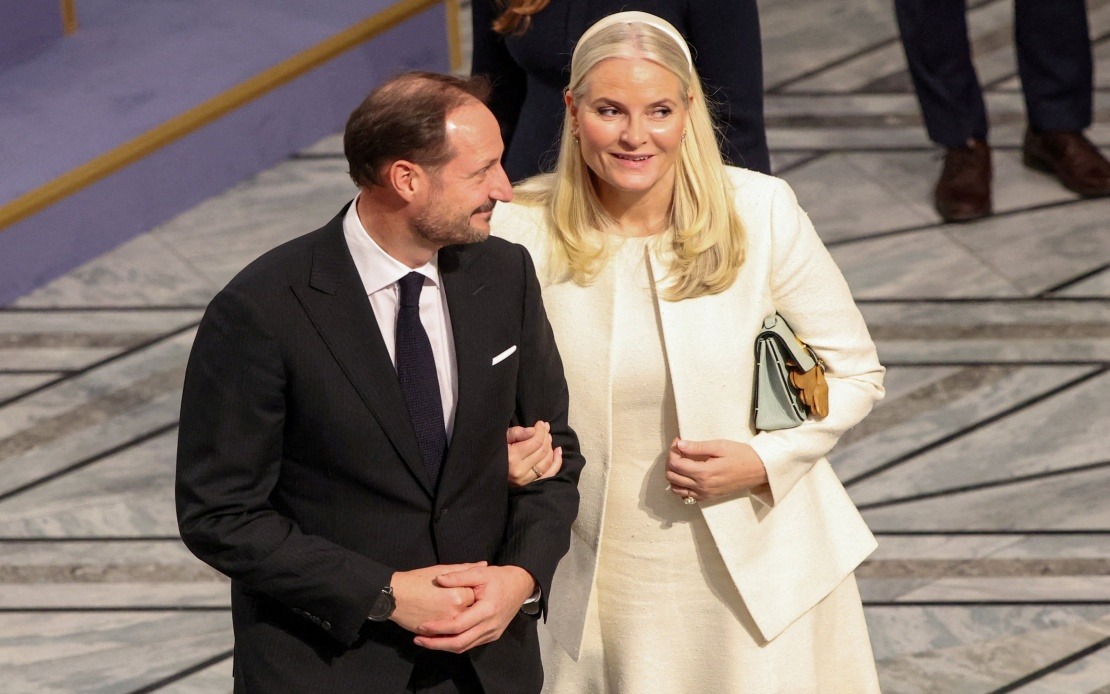
Crown Princess Mette-Marit of Norway has successfully completed a lung transplant operation, the Norwegian royal family announced on Wednesday. The 52-year-old consort to Crown Prince Haakon had been awaiting the procedure after being placed on the transplant waiting list on June 5, making this a relatively swift progression through what is typically a prolonged and uncertain waiting period.
The Crown Princess has been living with pulmonary fibrosis, a progressive and irreversible lung condition characterised by scarring of lung tissue that gradually impairs the body's ability to extract oxygen from the air. The disease, which has no cure, had significantly restricted her mobility and quality of life, necessitating her dependence on an oxygen tank during daily activities. Her public appearances over recent years have become increasingly limited as the condition advanced, a development closely followed by Norwegian citizens and international observers.
For patients to be considered eligible for lung transplantation, medical authorities typically require evidence that the recipient's life expectancy without intervention is approximately one year or less. This stringent criterion ensures that scarce donor organs are allocated to those in the most critical condition and likely to derive the greatest benefit from transplantation. The Crown Princess's acceptance onto the waiting list therefore underscored the severity of her medical situation and the urgency of finding a suitable donor match.
The royal announcement has had a remarkable ripple effect throughout Norwegian society. According to the Norwegian news agency NTB, the number of individuals registering as potential organ donors surged dramatically following the public disclosure of the Crown Princess's transplant need. This phenomenon reflects how the health struggles of high-profile figures can influence public attitudes toward organ donation, transforming a private medical crisis into a catalyst for broader societal health engagement. The country's Organ Donation Foundation has reported these significant increases in registrations, suggesting that many Norwegians were moved to contribute to a system that ultimately saved their future queen consort's life.
Lung transplantation represents one of the most complex and demanding surgical procedures in modern medicine. The operation requires not only technical expertise in organ removal and implantation but also careful matching of donor and recipient to minimise the risk of rejection. Success rates have improved markedly over recent decades, though recipients must commit to lifelong immunosuppressive therapy to prevent their immune systems from attacking the foreign organ. The Crown Princess's successful surgery reflects the considerable advancement in transplant medicine and the quality of Norwegian healthcare infrastructure.
For the Norwegian monarchy, this development carries symbolic and practical significance. Crown Princess Mette-Marit has been a visible and active member of the royal family since her marriage to Crown Prince Haakon in 2001. Her prominent role in numerous charitable and official capacities has made her a familiar figure to the Norwegian public. The restoration of her health through transplantation suggests a potential return to greater public engagement, though the recovery process following lung transplantation is lengthy and demanding, typically requiring many months of rehabilitation and careful medical management.
From a broader medical perspective, the case illustrates the critical importance of robust organ donation systems and public trust in healthcare institutions. Norway, like most developed nations, operates under either opt-in or opt-out donation frameworks, with strong public health education about the importance of organ donation. The surge in registrations following the Crown Princess's announcement demonstrates that these systems function most effectively when supported by widespread public awareness and engagement, particularly when prominent individuals are willing to make their medical circumstances public.
The success of this transplant also raises important questions about access and equity in healthcare systems. While the Crown Princess received a new lung relatively quickly following her placement on the waiting list, many patients in similar conditions across other countries wait considerably longer, and some do not survive the waiting period. This disparity underscores ongoing challenges in international organ procurement and distribution, and reflects differences in healthcare infrastructure, funding, and public engagement with donation systems.
For Southeast Asian readers, the Norwegian case offers valuable insights into healthcare governance and the influence of institutional trust on public health outcomes. The region's developing healthcare systems increasingly grapple with questions of organ transplantation access, equitable distribution of scarce medical resources, and public participation in donation programmes. The demonstrated capacity of public figures to inspire healthcare engagement suggests potential models for promoting organ donation awareness in societies where donation rates remain relatively low.
As the Crown Princess enters her recovery phase, her journey will continue to be watched closely by both Norwegian society and international observers. The successful transplant represents not only a personal medical triumph but also a testament to modern medical capabilities and the interconnected system of trust, donation, and expertise that makes such life-saving procedures possible. Her return to health may allow her to resume official duties and continue her charitable work, while her experience will likely continue to inspire broader conversations about organ donation and healthcare priorities across Scandinavia and beyond.