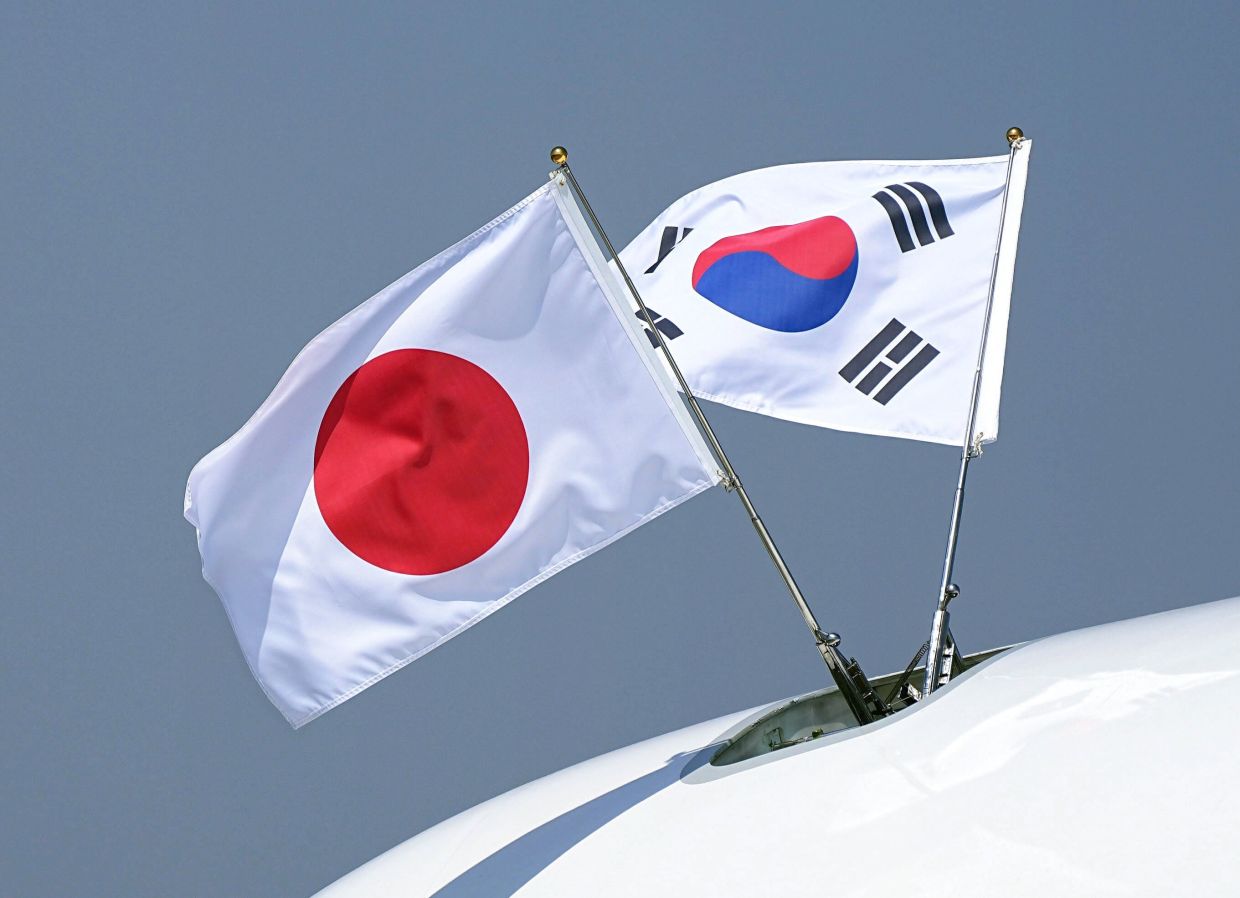
The prospect of nuclear proliferation in Northeast Asia hinges not on current political will but on a fragile equilibrium that could shatter if one nation breaks ranks, according to research released this week by the Center for Strategic and International Studies in Washington. A comprehensive survey of strategic decision-makers in Japan and South Korea reveals a paradoxical picture: overwhelming elite opposition to nuclear armament coexists with deep structural pressures that could rapidly reverse these positions if neighbouring countries alter course. The implications extend far beyond the two countries themselves, potentially destabilising the entire region in ways that dwarf the consequences of reduced American military presence.
The CSIS research, led by Victor Cha and Kristi Govella and drawing responses from government officials, parliamentarians, academics and business leaders through October, found that approximately 75 percent of South Korean strategic elites and nearly 80 percent of their Japanese counterparts currently oppose or remain uncertain about their countries acquiring nuclear weapons. These figures suggest a strong consensus against proliferation among the technocrats and policymakers who would shape such decisions. Yet this elite consensus masks a critical vulnerability: the survey identified that should either nation pursue nuclear weapons, support for similar programmes in the other could escalate dramatically, creating a domino effect with profound consequences for nuclear stability across the region.
The disconnect between elite opinion and public sentiment complicates this landscape further. South Korean public polling from 2024 showed over 72 percent of citizens backing nuclear armament, primarily as a deterrent to North Korea's expanding arsenal. This gap between strategic elites and the general population reflects fundamentally different threat assessments and time horizons. The public concerns itself with immediate security challenges posed by Pyongyang, while policymakers weigh longer-term alliance relationships and international non-proliferation obligations. Japan presents a notably different picture, where the 80 percent public opposition to nuclear weapons aligns roughly with elite positions, suggesting greater coherence in national thinking on the issue, though international media coverage has sometimes exaggerated the momentum for change within Tokyo's decision-making circles.
The motivations driving potential supporters of nuclear weapons diverge sharply between the two nations. In South Korea, advocates for nuclear armament frame the policy primarily as essential for managing the persistent threat from North Korea, whose nuclear programme continues advancing despite decades of diplomatic efforts and sanctions. Japanese proponents, by contrast, focus less on regional threats and more on apprehension about the durability of American security commitments, particularly as Washington grapples with fiscal pressures and strategic rebalancing towards the Indo-Pacific. This distinction matters significantly because it suggests different trigger points for policy reversal: Seoul's calculus depends heavily on Pyongyang's actions, while Tokyo's depends on perceptions of American reliability.
The timing of the CSIS survey's release carries particular significance given concurrent diplomatic activities. The United States held bilateral nuclear cooperation consultations in Seoul earlier this month, followed by extended deterrence discussions in Tokyo. These sessions represent Washington's effort to reassure allies through deepened security partnerships rather than encouraging independent nuclear development. The American approach aims to bind Japan and South Korea more tightly to the existing security architecture, essentially offering enhanced guarantees as a substitute for proliferation. Yet the survey suggests this strategy faces structural headwinds if either nation perceives shifting American priorities or rising threats that alliance mechanisms cannot adequately address.
American policy itself is undergoing significant evolution in ways that could inadvertently push allies toward proliferation. Brandon Williams, the Department of Energy's under secretary for nuclear security, announced plans to invest $600 million in artificial intelligence for nuclear weapons design and production this year, signalling an American commitment to modernising its arsenal rather than reducing it. The administration aims to compress the traditional 10 to 15-year development cycle for new weapons, suggesting accelerated technological advancement. Simultaneously, senior CSIS experts have argued that Washington should arm hypersonic missiles with nuclear rather than purely conventional warheads, expanding America's strategic options. Such signals, whatever their domestic rationale, may be interpreted by Tokyo and Seoul as indication that nuclear weapons remain central to great power competition, potentially legitimising proliferation arguments in those countries.
China's accusations that Japan seeks remilitarisation, including nuclear capability, add another layer of complexity. Beijing has used such rhetoric to constrain Tokyo's strategic options diplomatically while reserving its own nuclear modernisation for strategic reasons. The broader context involves Washington's unsuccessful pressure on Beijing to join arms control negotiations. China's repeated refusal to participate in limitations discussions underscores the multipolar nuclear environment taking shape in Asia, where mutual restraint cannot be assumed and where security dilemmas drive acquisition spirals.
The CSIS research reveals a critical insight with direct relevance for Southeast Asia and the broader Indo-Pacific: nuclear proliferation in Northeast Asia would not emerge primarily from ideological commitment to nuclear deterrence but from security competition and fear of abandonment. The threshold question becomes whether the United States can credibly maintain extended nuclear deterrence to both Japan and South Korea while simultaneously managing strategic competition with China and addressing fiscal constraints at home. If either country concludes that American guarantees have become unreliable or insufficient, domestic political pressure could rapidly overcome elite reluctance.
For Malaysia and other Southeast Asian nations, the consequences of Northeast Asian nuclear proliferation would be substantial. A Japanese or South Korean nuclear arsenal would fundamentally alter regional power dynamics, potentially triggering security reviews throughout the region and destabilising carefully maintained strategic balances. The CSIS finding that "assured allies are less likely to proliferate" suggests the obvious prescription: Washington must sustain credible, tangible security commitments to Tokyo and Seoul. Yet the structural pressures identified in the survey indicate this requires active management, not passive reliance on historical ties.
The survey ultimately presents a cautionary tale about the fragility of non-proliferation arrangements in competitive multipolar environments. Current opposition to nuclear weapons among Japanese and South Korean elites should not be mistaken for permanent policy. Rather, it represents a conditional position dependent on threat perceptions, alliance confidence and regional stability calculations. Should any of these variables shift substantially—whether through North Korean provocations, American strategic retrenchment, or Chinese assertiveness—the rapid mobilisation of public support in South Korea and potential reversal of elite consensus in Japan becomes plausible. The region's stability depends on preventing precisely such trigger events.

