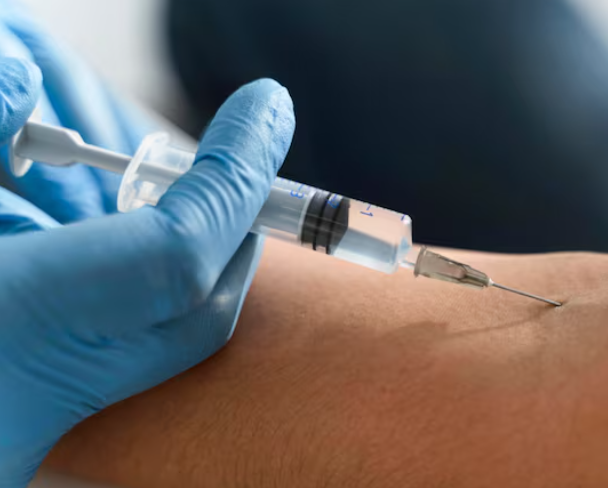
A 32-year-old nurse employed at a private hospital in Nizamabad district, Telangana, has been arrested following accusations that she murdered her husband by administering a fatal injection of toilet cleaning liquid through an intravenous cannula. The killing allegedly occurred on June 30, with police stating the accused, identified as Sandhya, targeted her 35-year-old spouse Dayini Prashanth as an obstacle to her relationship with another man. The case has drawn particular attention because it represents a calculated crime involving medical knowledge, premeditation, and a prior failed murder attempt.
Prashanth had been working abroad in Gulf countries for the preceding two years before returning to India on June 27 with the intention to remain permanently in the country. This change of plans created tension within the marriage, as Sandhya's extramarital involvement with a man named Anil, also 35, became increasingly difficult to maintain with her husband present at home. According to investigators, Sandhya viewed her husband's decision to stay in India as a direct threat to her personal relationship, prompting her to plot his elimination with Anil and his associate Venkat Sai, known locally as Bunty.
The conspiracy initially took the form of a violent assault on the terrace. Police records indicate that on June 29, Venkat Sai visited the family residence and deliberately intoxicated Prashanth with excessive alcohol. Under Sandhya's telephonic instructions, Sai subsequently escorted the inebriated man to the building's rooftop and pushed him off the structure. The fall caused severe injuries, but remarkably, Prashanth survived the assault. Demonstrating further cunning, Sandhya managed to convince her injured husband that his injuries resulted from an accidental fall caused by his drunken state rather than a deliberate attempt on his life.
Following the failed rooftop incident, Prashanth received initial treatment at a government hospital before being transferred to private care and eventually brought home for recovery. It was at this point that Sandhya's training and professional background as a nurse became the crucial factor enabling her to execute her secondary plan. Rather than continue attempting violent murder, she opted to employ her medical knowledge and access to healthcare equipment to accomplish her goal covertly. The shift in strategy demonstrates how her professional credentials provided her with tools and credibility that would typically prevent suspicion.
On June 30, as Prashanth remained vulnerable during his recovery period, Sandhya administered home intravenous care, a practice that appeared medically justified given his recent injuries. Under this guise, she prepared a lethal mixture combining toilet cleaning liquid with crushed sleeping pills and injected this toxic solution directly into her husband's IV line. To ensure the outcome and potentially obscure the cause of death, she additionally pushed Prashanth from his cot, causing further trauma. These final acts proved fatal, resulting in Prashanth's death while Sandhya maintained the appearance of a grieving wife whose husband had succumbed to complications from his earlier fall.
Initially, Sandhya's deception appeared successful. She attributed her husband's death to the deterioration of his health condition following the terrace fall, a narrative that aligned with his documented injuries and recent hospitalization. However, the victim's mother, who maintained a separate residence, harboured suspicions regarding the true circumstances of her son's death. Rather than accepting the official explanation, she filed a formal complaint with authorities, expressing her doubts about whether the explanation satisfied the facts surrounding her son's demise.
The mother's intervention proved instrumental in unraveling the case. Police investigation revealed the elaborate conspiracy involving three parties and two distinct murder attempts. Interrogations of the accused exposed the timeline of events, the motivations rooted in Sandhya's extramarital relationship, and the specific methods employed at each stage of the plot. The progression from violent assault to lethal injection reflected both desperation and a calculated reassessment of method when the initial approach failed.
This case carries significant implications for medical regulation and institutional oversight in Indian healthcare. It highlights how professional medical credentials can be weaponised when combined with access to vulnerable patients and medical equipment. The case also underscores the importance of family vigilance and formal reporting mechanisms when circumstances surrounding a death appear inconsistent or questionable. Sandhya's ability to move her husband between hospitals and administer home care without triggering institutional safeguards raises questions about the protocols governing patient care transitions and the oversight of healthcare professionals working in private capacity.
The incident reflects broader concerns about domestic violence and marital discord across South Asia, regions where similar cases have periodically emerged. The sophistication of the plot and the involvement of external conspirators suggest a dynamic where infidelity and marital breakdown escalate into calculated violence. The case also demonstrates how educational and professional advancement, while beneficial in legitimate contexts, can unfortunately be misused when combined with criminal intent. For Malaysia and other Southeast Asian nations with similar healthcare systems and family structures, the case serves as a cautionary example of the need for robust institutional checks and community awareness regarding warning signs of domestic violence and suspicious deaths.

