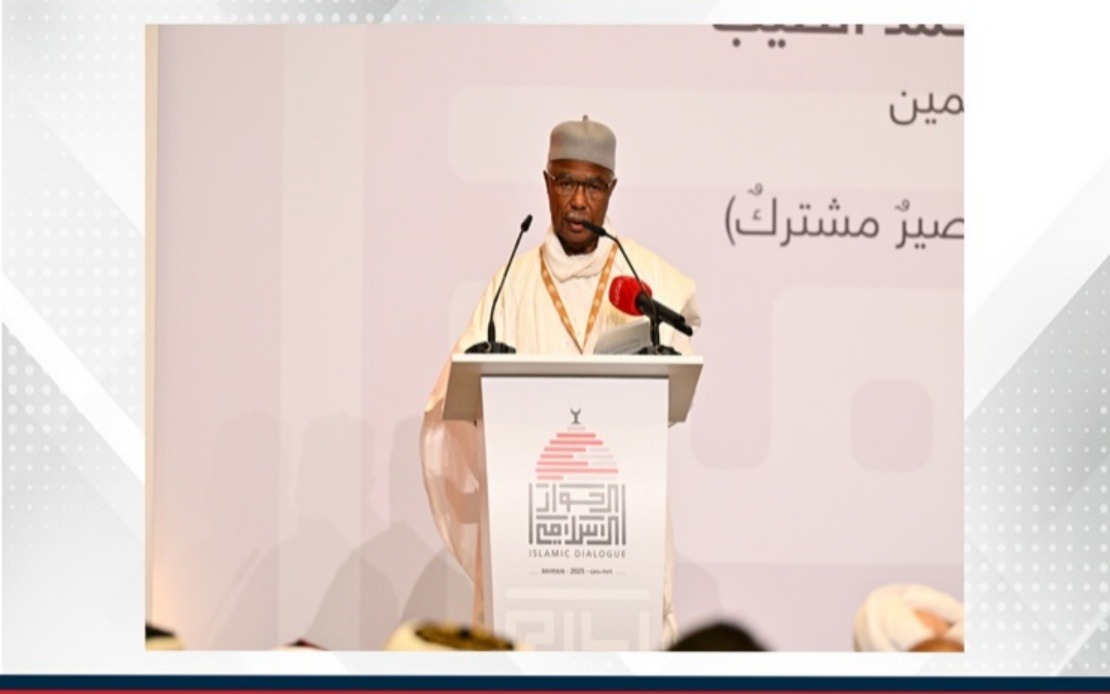
The Organisation of Islamic Cooperation has thrown its weight behind a landmark defense pact forged between Turkey, Saudi Arabia, and Pakistan, signalling broad institutional support for an agreement that reshapes strategic alignments within the Islamic world. OIC Secretary-General Sharein Brahim Taha issued a formal statement on Friday endorsing the Mecca Joint Defence Agreement, emphasising that the three-nation accord represents a pivotal moment in collective security arrangements among member states and reflects deepening commitment to coordinated regional engagement.
The historic pact emerged from a high-level trilateral summit convened in Mecca, where Turkish President Recep Tayyip Erdogan, Saudi Crown Prince Mohammed bin Salman, and Pakistani Prime Minister Shehbaz Sharif gathered at Al-Safa Palace to formalise their security commitment. This geographical choice—Islam's holiest city—underscores the symbolic weight both signatories and the broader Muslim world attach to the agreement, positioning it as an affirmation of Islamic solidarity rather than a narrowly defined military alliance.
According to Turkish officials, the defence arrangement is deliberately structured as a mutual security framework rather than a pact targeting specific adversaries. The agreement establishes a foundational principle that any armed attack against one signatory shall be treated as an aggression against all three, effectively creating a collective deterrence mechanism. This formulation echoes traditional alliance architecture found in Western security frameworks but applies it to a coalition of major Muslim-majority nations, reflecting shifting geopolitical dynamics in Asia and the broader Middle East.
Taha characterised the accord as an "important strategic step" that embodies the three nations' resolve to fortify cooperation extending beyond their immediate borders into the wider Muslim world. His statement specifically highlighted how the pact functions as "a fundamental pillar for supporting security and stability in the region," suggesting the OIC views the initiative as addressing multifaceted security challenges that transcend conventional state-to-state disputes. The explicit mention of regional and international stability indicates recognition that threats facing member states—from terrorism to geopolitical competition—demand coordinated responses.
The OIC's formal endorsement carries particular significance given the organisation's representative role spanning 57 member states and substantial populations across Africa, Asia, and the Middle East. When the Secretary-General praises burden-sharing and constructive partnerships among members, he implicitly validates a model whereby major regional powers assume leadership roles in securing broader Muslim interests. This framing potentially encourages other influential Muslim-majority nations to pursue similar collaborative frameworks, creating cascading security partnerships within the OIC sphere.
For Malaysia and Southeast Asia, the emergence of this Turkish-Saudi-Pakistani axis warrants careful observation. The region hosts substantial Muslim populations and maintains complex relationships with all three signatory nations. Pakistan's strategic importance in Asia, Saudi Arabia's religious and economic influence, and Turkey's growing regional activism create a powerful convergence that could influence how these nations approach Southeast Asian interests, from defence procurement to diplomatic positioning on regional disputes. Malaysian policymakers must consider how this trilateral arrangement affects existing bilateral relationships and broader ASEAN cohesion.
Taha's emphasis on addressing "growing security challenges" reflects the practical motivations underlying the agreement. Pakistan faces persistent terrorism and regional tensions, Turkey navigates complex security situations involving Syria, Iraq, and Mediterranean dynamics, while Saudi Arabia confronts threats ranging from Houthi insurgency to broader Iranian strategic competition. By pooling resources and coordinating responses, the three nations create redundancy in their security architecture while signalling unified resolve to potential adversaries. This represents a maturing approach to collective defence among non-traditional alliance partners.
The agreement's emphasis on collective deterrence reflects lessons learned from regional conflicts and emerging threats. Rather than pursuing unilateral security solutions, the three powers recognise that coordinated posturing amplifies deterrent effects. Turkish military capabilities, Pakistani manpower and nuclear dimension, and Saudi financial resources combine to create a formidable trilateral security apparatus. This integration potentially establishes new standards for defence cooperation within the Islamic world, moving beyond rhetoric toward institutionalised mechanisms for joint planning and response.
The OIC's strong backing also serves diplomatic purposes. By explicitly welcoming the accord, the organisation positions itself as an affirming body rather than a marginal actor in major geopolitical developments. Taha's statement hopes the pact "will contribute to achieving peace and prosperity in the region and the wider international community," carefully balancing the need to frame the agreement as stabilising rather than destabilising. This diplomatic language allows the OIC to endorse the initiative while maintaining relationships with nations not part of the trilateral arrangement.
Looking forward, the Mecca Joint Defence Agreement may catalyse broader security realignments. Other influential Muslim-majority nations might pursue similar partnerships, potentially creating interlocking security frameworks across the Islamic world. For regional powers like Indonesia and Malaysia, observing how these partnerships evolve offers insights into emerging alliance patterns and defence cooperation models. The agreement's success in translating commitment into substantive security cooperation will likely influence whether similar initiatives gain traction elsewhere in the Muslim world.

