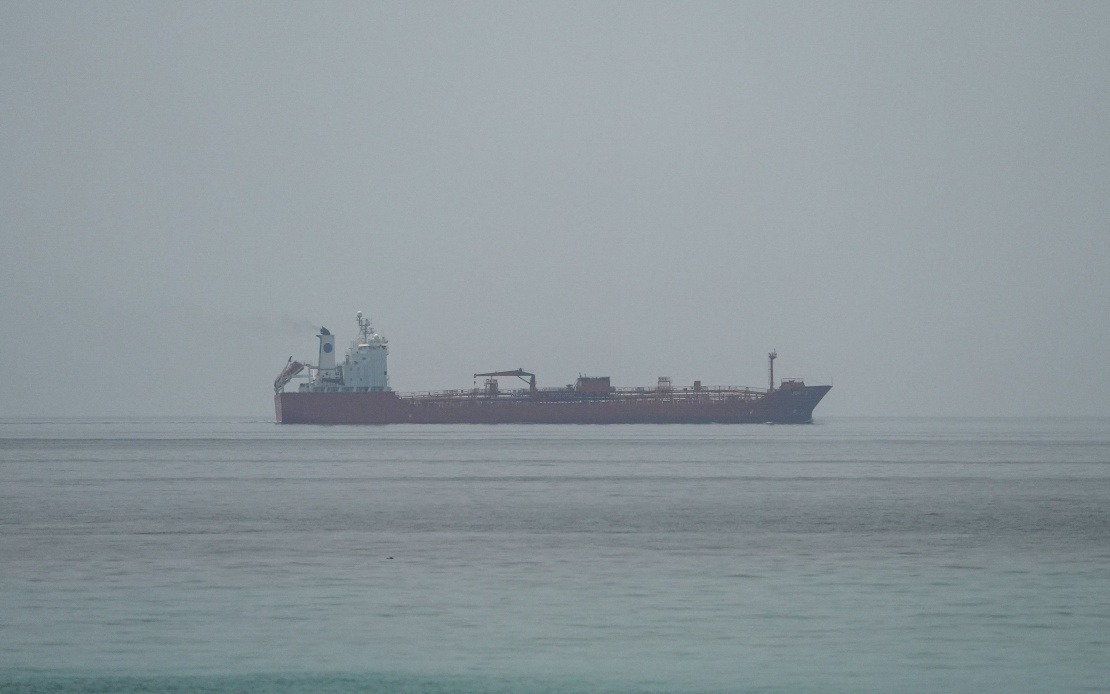
Oman has emerged as a vocal supporter of the recently negotiated understanding between the United States and Iran, with its Foreign Minister Badr Albusaidi declaring at a Gulf Cooperation Council–US ministerial gathering in Bahrain that the sultanate will guarantee fee-free passage through the Strait of Hormuz under any future arrangements governing the waterway. The endorsement underscores Muscat's pivotal role as a coastal custodian of one of global commerce's most strategically significant maritime chokepoints, through which roughly one-third of seaborne oil and liquefied natural gas transits daily.
Albusaidi's statements at the joint GCC-US meeting stressed that Oman, given its geographical positioning overlooking the strait, bears singular responsibility for upholding international shipping norms and safeguarding navigation corridors in accordance with established maritime law and the United Nations Convention on the Law of the Sea. By explicitly rejecting any future toll systems or transit levies, Oman has positioned itself as a guardian of the principle that essential waterways should remain accessible to all nations without commercial impediment, a stance that carries profound implications for global energy markets and Southeast Asian economies dependent on uninterrupted Middle Eastern oil supplies.
The fourteen-point understanding, which took effect on June 18 after being electronically signed by Iranian President Masoud Pezeshkian and US President Donald Trump following mediation by Pakistan, represents a significant diplomatic breakthrough amid months of escalating military confrontation. The agreement addresses multiple dimensions of regional conflict, from halting hostilities across Lebanon to reopening the strategically vital strait and lifting the American naval blockade that had severely constrained Iranian maritime commerce. For Malaysian and regional stakeholders reliant on predictable energy flows, the accord's success hinges substantially on maintaining the navigational security that Oman has now guaranteed.
The timing of Oman's affirmation carries particular weight given the preceding months of acute regional turbulence. February's coordinated US and Israeli military strikes against Iranian targets prompted swift retaliation from Tehran, with Iranian forces launching direct attacks on Israel and facilities hosting American personnel throughout the broader Middle East. These tit-for-tat escalations had threatened to destabilize the entire Hormuz corridor and potentially disrupt energy supplies to markets across Asia, including Malaysia and the region's industrial export hubs.
Oman's historical positioning as a mediator and pragmatic regional actor adds credibility to its commitments. Unlike some neighbouring Gulf states with more confrontational stances toward Tehran, Muscat has consistently maintained diplomatic channels and avoided the sectarian polarization that characterizes Gulf politics. By explicitly tying its support to international legal frameworks and UN conventions, Oman has grounded its position in universally recognized principles rather than narrow national interest, thereby enhancing the memorandum's legitimacy in global forums.
The GCC-US consultation mechanism that facilitated this ministerial meeting reflects Washington's broader strategic effort to reinforce security partnerships throughout the Gulf region while accommodating the new understanding with Iran. These regular diplomatic exchanges address not only immediate security threats but also longer-term questions about regional economic integration, arms cooperation, and coordinated approaches to emerging challenges from non-state actors and proxy forces. For Malaysia and other Southeast Asian nations purchasing Iranian oil and navigating complex relationships with both American and Iranian interests, the stability generated by these Gulf-based arrangements carries outsized importance.
The memorandum's provisions regarding the strait's reopening specifically address concerns that had mounted as tensions between Washington and Tehran spiralled. The American naval presence in the region, while ostensibly enforcing commercial shipping standards, had been perceived by Iran as a blockade restricting its own maritime activity and choking exports crucial to its economy. By securing explicit Iranian commitment to ceasefire arrangements alongside lifting these blockade measures, the agreement offers potential relief to global energy markets that had grown anxious about supply disruptions.
Oman's guarantee of fee-free transit stands in marked contrast to historical precedents and hypothetical worst-case scenarios that analysts had contemplated. Some commentators had warned that Iran, if driven to economic desperation, might impose unilateral transit fees on shipping through the strait as leverage or revenue-generation mechanism. Such action would have resembled historical attempts by regional powers to monetize control over crucial waterways, with catastrophic effects on global energy prices and trade flows. Oman's firm disavowal of this possibility provides reassurance to shipping companies, energy exporters, and consuming nations worldwide.
For Malaysian policymakers and business interests, the stabilization of Hormuz transit carries profound implications. Malaysia's petrochemical industries, refineries, and energy-dependent manufacturing sectors rely substantially on predictable crude oil supplies from the Middle East at stable prices. Any disruption to the strait's navigation would immediately cascade through Malaysian economy, affecting production schedules, export competitiveness, and the energy costs underlying industrial operations. Oman's commitment thus provides direct economic benefit to Malaysia alongside broader regional gains.
The successful negotiation of this understanding also reflects changing calculations among regional actors regarding the sustainability of perpetual confrontation. The February military exchanges had demonstrated that unlimited escalation carried mutual risks, with neither side capable of achieving decisive advantage through kinetic means alone. By embracing the Pakistan-mediated framework, all parties signalled recognition that diplomatic resolution offered superior outcomes to continued hostilities that threatened economic destabilization across the Middle East and beyond.
Oman's diplomatic leadership in affirming the accord's maritime dimensions extends beyond mere symbolic support. As the sultanate maintains naval capacity and coastal control infrastructure throughout the strait, its active implementation of free-passage commitments will prove essential to the understanding's practical success. Any backsliding or selective enforcement could rapidly undermine the memorandum's credibility and rekindle regional tensions.
The broader GCC-US framework within which Oman made these pronouncements suggests that collective Gulf Arab endorsement of the Iran accord has strengthened, moving beyond initial ambivalence toward more positive engagement. This shift reflects both the accord's diplomatic sophistication in addressing multiple conflict dimensions and renewed confidence that comprehensive regional settlements remain achievable even after periods of acute military confrontation. For Southeast Asian stakeholders including Malaysia, such stability-oriented trends throughout the Middle East offer improved prospects for sustained energy supply reliability and reduced geopolitical risk premiums affecting commodity prices and investment confidence.

