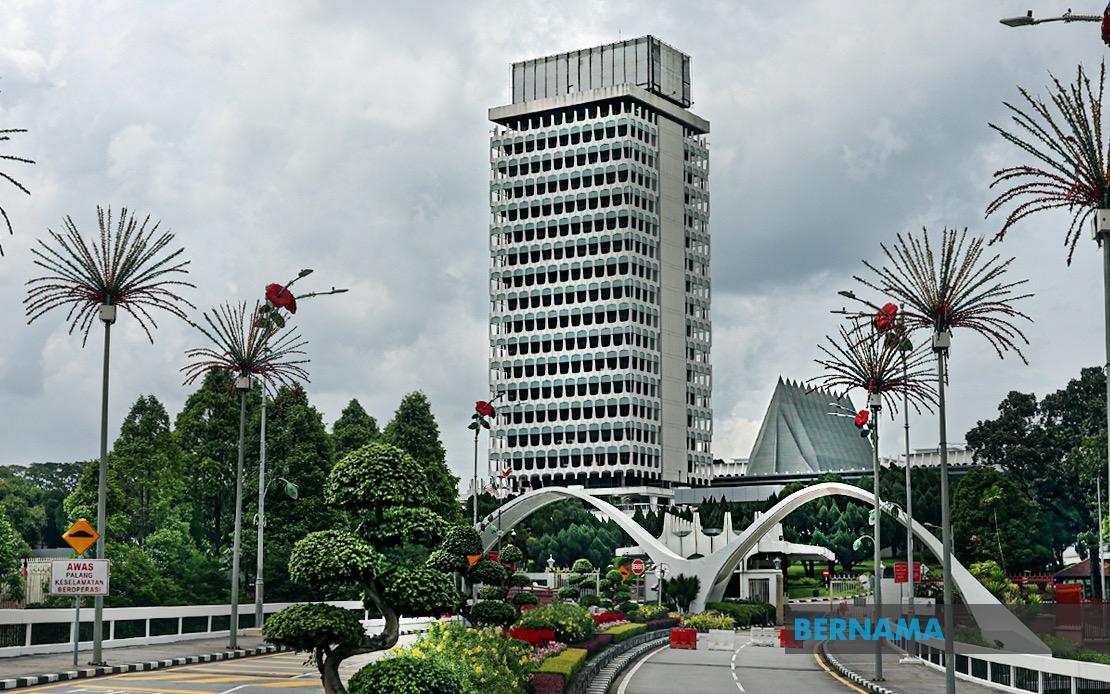
The Road Transport (Amendment) Bill 2026 emerged as the sole legislative achievement during the opening week of Parliament's latest sitting, which commenced on June 22 and will continue through July 16. This relatively modest output reflects the complexities of advancing multiple pieces of legislation through Malaysia's parliamentary machinery, even as lawmakers grapple with pressing national issues ranging from unemployment to border security. The singular passage highlights the careful, deliberate pace at which substantive legislative change proceeds in the Dewan Rakyat, despite the substantial agenda awaiting parliamentary attention.
Transport Minister Anthony Loke explained that the newly passed legislation introduces critical provisions to combat illegal street racing through Section 42A, which fundamentally reshapes enforcement authority. Previously, police and regulatory bodies faced considerable legal constraints, obliged to demonstrate not merely dangerous driving behaviour but tangible consequences such as accidents, injuries, or fatalities before prosecution could commence. This evidentiary burden created a significant loophole that perpetrators exploited with relative impunity. The amended legislation empowers authorities to intervene preemptively, moving enforcement earlier in the chain of culpability and potentially preventing tragedies before they occur rather than prosecuting them afterwards.
The implications for road safety are substantial. Street racing remains a persistent problem in Malaysian urban centres, claiming lives and destabilizing communities. By enabling enforcement action grounded solely in the conduct itself—the act of illegal racing—rather than its consequences, authorities gain crucial flexibility in addressing what is fundamentally a public safety menace. This represents a meaningful modernisation of road traffic law that aligns enforcement capabilities with contemporary traffic challenges. The legislative shift demonstrates Parliament's willingness to close demonstrable gaps in the regulatory framework, even if the overall pace of legislative passage appears modest by some measures.
Looking beyond this initial success, Minister Loke signalled the government's broader legislative intentions regarding road safety and victim compensation. A subsequent amendment to the Road Transport Act is scheduled for tabling later in 2026, this time addressing the aftermath of impaired driving incidents. The proposed amendment would establish a compensation mechanism for victims or families of those injured or killed by drivers operating under the influence of alcohol or drugs, layering financial redress atop existing criminal penalties and custodial sentences. This two-pronged approach—preventive enforcement combined with victim compensation—represents a more comprehensive legislative philosophy addressing both deterrence and remediation.
Meanwhile, momentum stalled on the Prison (Amendment) Bill 2026, which parliamentary officials referred back to the Parliamentary Select Committee for additional deliberation. The legislation sought to authorise electronic monitoring of prisoners and formalise volunteer participation in rehabilitation programmes, modernising correctional practices. The decision to recommit the bill signals that parliamentary committees identified issues warranting deeper examination before the full chamber proceeds to debate. This cautious approach, while potentially slowing legislative progress, reflects institutional commitment to thoroughness over expedience.
Parliament's agenda extends considerably beyond these bills under active consideration. During the opening week's first reading phase, legislators introduced four additional pieces of legislation destined for future debate: amendments to the Sexual Offences Against Children Act, two Competition Act amendments, and a Cybercrime Act replacement. The Cybercrime Act 2026 holds particular significance for Malaysian digital governance, as it would repeal the Computer Crimes Act 1997 and presumably update legislation governing online criminal conduct to reflect nearly three decades of technological evolution. These first readings establish the preliminary stage of parliamentary consideration, with substantive debate and potential amendments ahead.
Beyond legislative business, Parliament addressed important administrative matters affecting parliamentary operations and representation. Dewan Rakyat Speaker Tan Sri Johari Abdul confirmed the reinstatement of Larut MP Datuk Seri Hamzah Zainudin as opposition leader effective June 18, resolving a question regarding the official parliamentary opposition leadership. Additionally, the Speaker noted casual vacancies for the Pandan and Setiawangsa parliamentary seats, created when Datuk Seri Rafizi Ramli and Nik Nazmi Nik Ahmad resigned on May 18. The Election Commission has been formally notified, initiating the constitutional machinery for eventual by-elections to fill these seats. These administrative matters, though procedural in nature, carry significance for parliamentary representation and the balance of forces within the chamber.
Question Time, traditionally a mechanism for parliamentary accountability, proceeded under modified arrangements during the opening week. Minister's Question Time, normally scheduled for Tuesdays and Thursdays and typically directed at Prime Minister Datuk Seri Anwar Ibrahim, was instead handled by relevant sectoral ministers as the Prime Minister attended to other governmental commitments. This substitution reflects the flexibility required when executive leadership must balance parliamentary accountability obligations with pressing administrative duties outside the parliamentary chamber. Parliamentary Select Committees also utilised the sitting to present and debate their reports, reinforcing their deliberative functions beyond the full chamber's proceedings.
Parliamentary discourse during the opening week touched on several consequential national challenges. Human Resources Minister Datuk Seri R. Ramanan disclosed that 42,807 workers faced retrenchment between January and June 12, with enterprise closures and workforce reductions cited as primary causes. However, Economy Minister Akmal Nasrullah Mohd Nasir offered a more optimistic assessment, noting that June job losses declined 20 percent compared to May and that labour force participation remained robust at 70.9 percent. This divergence of perspectives—acknowledging genuine hardship whilst emphasising underlying labour market resilience—characterises contemporary Malaysian employment discussions, where sectoral volatility and structural transitions coexist with overall macroeconomic stability.
Border security commanded parliamentary attention as Home Minister Datuk Seri Saifuddin Nasution Ismail announced government approval of RM22 million in funding to equip the Malaysia Border Control and Protection Agency with firearms and supplementary equipment. This financial commitment reflects growing recognition of border management's operational demands and the need for adequate resource allocation. Separately, the Ministry of Plantation and Commodities explored the feasibility of expanding B50 biodiesel deployment, acknowledging that existing blending infrastructure would require substantial capital investment. These investments, whilst seemingly discrete sectoral matters, underscore the government's multi-faceted approach to economic competitiveness and sustainability.
Online safety emerged as another parliamentary priority, with Communications Minister Datuk Fahmi Fadzil highlighting new regulatory requirements implemented June 1 under the Child Protection Code and Risk Mitigation Code. These provisions mandate social media platforms implement age-verification mechanisms protecting young digital users, with non-compliance exposing platforms to penalties reaching RM10 million under the Online Safety Act 2025. This legislative architecture reflects Malaysia's increasingly sophisticated approach to digital governance, balancing innovation and commercial interests with child protection imperatives and online safety standards. The substantial penalty structure signals serious governmental intent regarding compliance, positioning Malaysia alongside other jurisdictions prioritising digital welfare protections.

