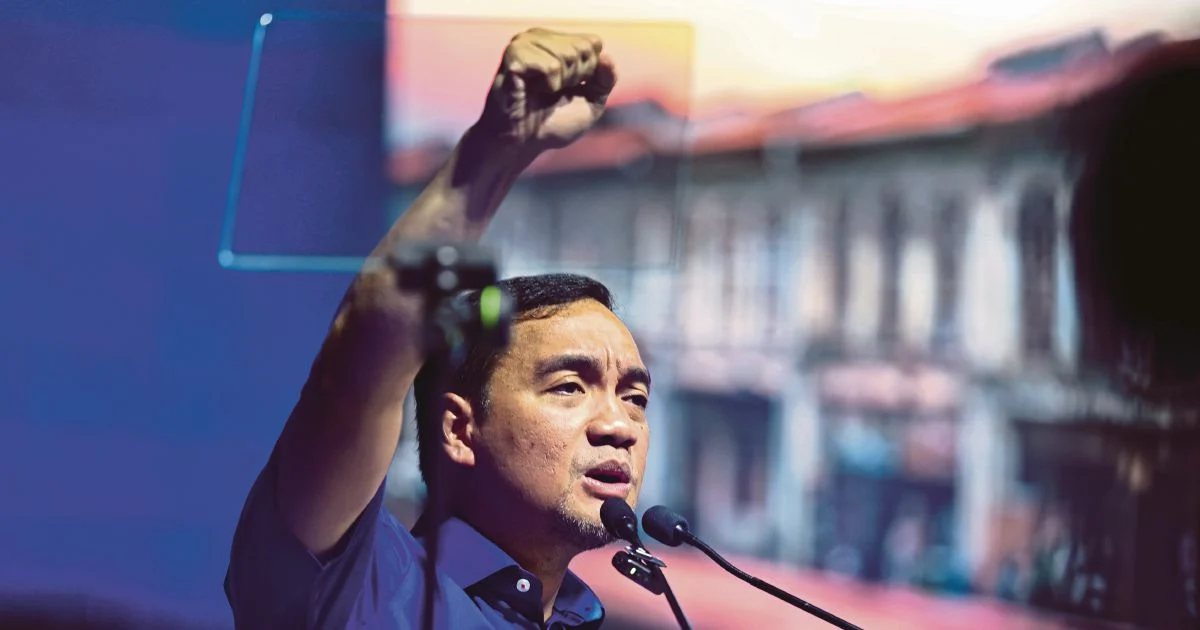
Datuk Onn Hafiz Ghazi, serving as Johor's interim chief minister, has confirmed his intention to contest the forthcoming state election from the Machap seat, signalling his continued bid to lead the southern state. The announcement underscores efforts by the incumbent administration to maintain electoral momentum ahead of the ballot, which carries significant implications for both Johor and the broader peninsular political climate.
Machap, a constituency the caretaker Menteri Besar has previously held, represents a crucial electoral test for his political standing within the state. By deciding to seek re-election, Onn Hafiz is essentially placing himself on the front line of what is expected to be a closely contested state poll, with the result likely to determine whether the current political arrangements in Johor endure or face disruption.
The decision reflects broader patterns in Malaysian state politics, where chief ministers frequently anchor their positions by securing strong personal mandates at the constituency level. A convincing victory in Machap would provide Onn Hafiz with renewed legitimacy and strengthen his hand in forming a new administration following the election. Conversely, any setback could weaken his negotiating position should coalition arrangements become necessary after polling day.
Johor's electoral cycle has long shaped the state's governance trajectory and carried ripple effects across the wider political system. The state, Malaysia's second largest and economically significant as home to the Iskandar Malaysia development corridor, remains politically competitive. Its outcome potentially influences the balance of power at federal level, making even state-level contests matters of national political consequence.
Onn Hafiz's declaration comes amid the customary period of political manoeuvring that precedes state elections. Parties typically position their strongest candidates in winnable seats to maximise their parliamentary return, and his personal decision to contest suggests confidence in the electoral prospects of his party's wider campaign strategy. The choice also indicates that party leadership has identified Machap as defensible under current political conditions.
The caretaker administration's preparation for the election involves reconciling various factional interests within its coalition partners. Onn Hafiz must navigate these internal dynamics whilst simultaneously preparing his campaign machinery for what will likely be a substantive challenge from opposition forces seeking to overturn the present arrangement. His decision to personally contest keeps him intimately engaged with grassroots sentiment in his own division.
For Malaysian voters observing Johor politics, the election represents an opportunity to assess the performance of the current state government across key portfolios including development, infrastructure, and service delivery. The state faces ongoing pressures from rapid urbanisation, particularly in regions bordering Selangor, and questions about how effectively the administration has addressed housing affordability, transport connectivity, and economic diversification.
The political context of Johor elections typically features intense competition between UMNO-led coalitions and opposition blocs, with Machap representing the kind of mixed urban-rural seat where electoral fortunes can shift based on local conditions and national political sentiment. Onn Hafiz's personal standing in the constituency will matter significantly, along with broader assessments of his record as state chief minister and his party's campaign platform.
Historically, Johor elections have demonstrated voters' capacity to deliver decisive mandates, and this cycle appears unlikely to differ substantially. The state's electorate engages seriously with substantive governance questions, and candidates who contest without strong track records or clear policy platforms typically face voter scepticism. The confirmation of Onn Hafiz's candidacy therefore invites scrutiny of his administration's achievements and unfinished business.
For regional observers, the Johor election provides a barometer of public satisfaction with the current state of Malaysian politics more broadly. As a relatively mature electoral market with established administrative structures and competitive political culture, Johor's voters often signal broader trends that emerge nationally. Their verdict will likely attract attention from analysts assessing whether incumbent state administrations can consolidate power or whether the electorate favours political change.
The timing of the election itself remains subject to the incumbent government's strategic calculation, though electoral law provisions typically establish windows within which polling must occur. Onn Hafiz's public commitment to contesting Machap suggests the administration views its readiness for an early campaign, rather than delaying the election to the latest permissible date.
Looking ahead, the Machap campaign will serve as a lens through which both state and national observers assess current political dynamics. Onn Hafiz's personal battle for his constituency will unfold within the context of the broader state election, and voters will weigh his individual attributes alongside their judgement of the overall administration he has led and their preferences regarding alternative political arrangements.

