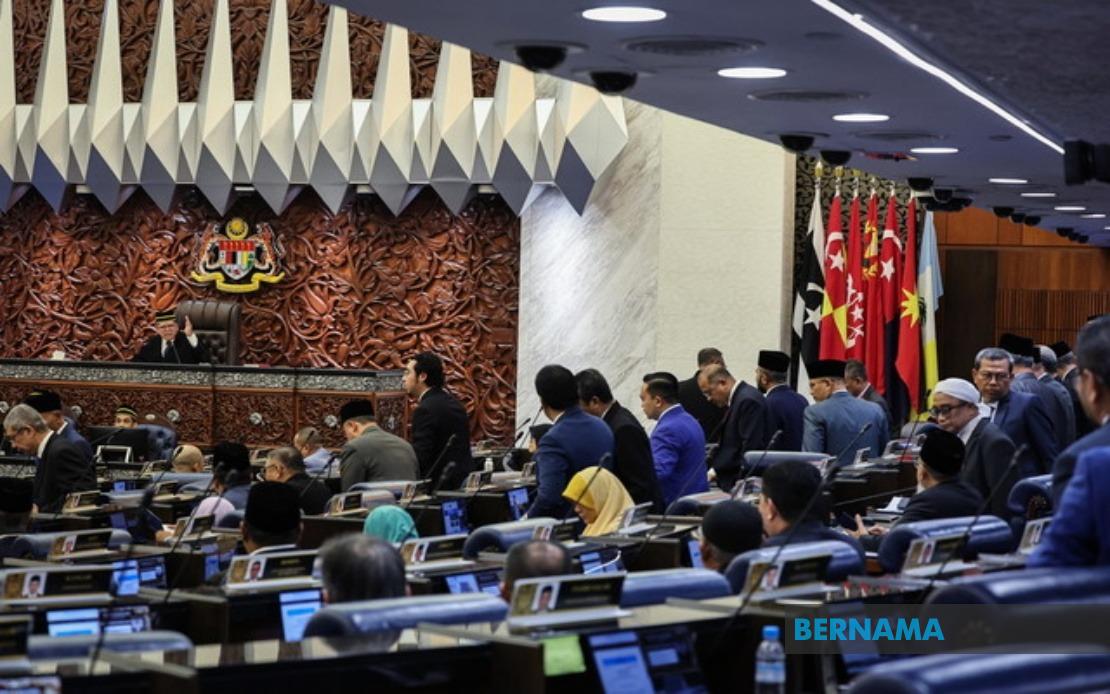
Opposition Members of Parliament staged a coordinated walkout from the Dewan Rakyat on August 11, refusing to participate in a ministerial briefing centred on the Royal Commission of Inquiry report examining the management and operational affairs of Lembaga Tabung Haji. The dramatic departure highlighted deepening tensions within the chamber and raised questions about the legislative process surrounding critical inquiries into the nation's Islamic pilgrimage fund.
The opposition's departure came after they lodged formal objections to Dewan Rakyat Speaker Tan Sri Johari Abdul's decision to proceed with the briefing session despite the notable absence of Prime Minister Datuk Seri Anwar Ibrahim. The lawmakers signalled that they viewed the proceedings as lacking sufficient senior political representation to warrant their participation, effectively treating the session as incomplete without the head of government present.
The Perikatan Nasional opposition chief whip Datuk Seri Takiyuddin Hassan had initiated the challenge by formally proposing that the special sitting be deferred to a later date, citing that both Anwar and Deputy Prime Minister Datuk Seri Fadillah Yusof were receiving medical attention. This motion reflected the opposition's position that matters of such significance—particularly those stemming from a comprehensive royal commission examination—demanded the full presence of senior leadership rather than proceeding through ministerial representation alone.
Speaker Johari responded by granting the opposition members permission to exit the chamber, effectively allowing them to abandon proceedings without facing procedural consequences. His statement to departing lawmakers—inviting those dissatisfied to leave while emphasizing that the public was observing their conduct—suggested an attempt to frame the opposition's walkout as a matter of public record and scrutiny. The Speaker's framing shifted focus from the substantive concerns about leadership presence to questions of political commitment and public perception.
With the opposition benches emptied, the sitting continued under the scheduled agenda. Minister in the Prime Minister's Department (Religious Affairs) Dr Zulkifli Hasan proceeded with the briefing on the Tabung Haji RCI findings, effectively completing the information session without significant opposition input or alternative perspectives being raised in real time within the parliamentary chamber.
The Tabung Haji RCI report represents a substantial examination of governance and administrative practices within Malaysia's largest Islamic financial institution, which manages funds and facilitates pilgrimages for hundreds of thousands of Muslim citizens annually. Any recommendations emanating from such an inquiry carry implications for fund management, investment practices, and the welfare of pilgrims whose retirement and savings are entrusted to the institution. The absence of vigorous parliamentary scrutiny during the briefing session therefore carries practical significance beyond the political theatre of the walkout itself.
This incident reflects a broader pattern within Malaysian parliament where procedural disputes and questions about quorum and leadership presence frequently intertwine with substantive policy discussions. The opposition's protest strategy—leveraging the absence of the Prime Minister to challenge the legitimacy of the sitting—demonstrates how parliamentary tactics operate across multiple registers simultaneously, mixing genuine governance concerns with political positioning.
The timing of the RCI briefing amidst medical absences of key government figures presented a genuine logistical and political challenge for parliamentary management. However, the opposition's decision to boycott rather than remain present to lodge objections or pose critical questions suggests a calculation that abandoning the space entirely carried greater political messaging value than strategic engagement within it. This approach potentially cedes important opportunities for public scrutiny and record-building on matters affecting the Islamic pilgrimage fund.
For Malaysian readers, the broader context matters considerably. Tabung Haji has faced significant scrutiny in recent years regarding investment decisions, fund performance, and administrative transparency. Public discourse around its management directly affects millions of Malaysian Muslim savers and pilgrims. Parliamentary proceedings examining the RCI report thus carry genuine public interest implications that extend beyond partisan disagreements.
The walkout incident also raises questions about parliamentary effectiveness and government accountability structures more broadly. When briefings on major investigative reports proceed without opposition participation or rigorous questioning, the chamber functions less as a forum for genuine deliberation and more as a venue for announcements. The opposition's absence, whatever its political justifications, arguably diminished parliament's scrutiny capacity on this particular matter.
Looking forward, the incident suggests that future parliamentary sessions handling sensitive RCI reports or investigations may face similar procedural challenges and boycott threats. This pattern could cumulatively erode the effectiveness of parliamentary oversight mechanisms, particularly regarding inquiries mandated to examine institutional governance and public accountability.

