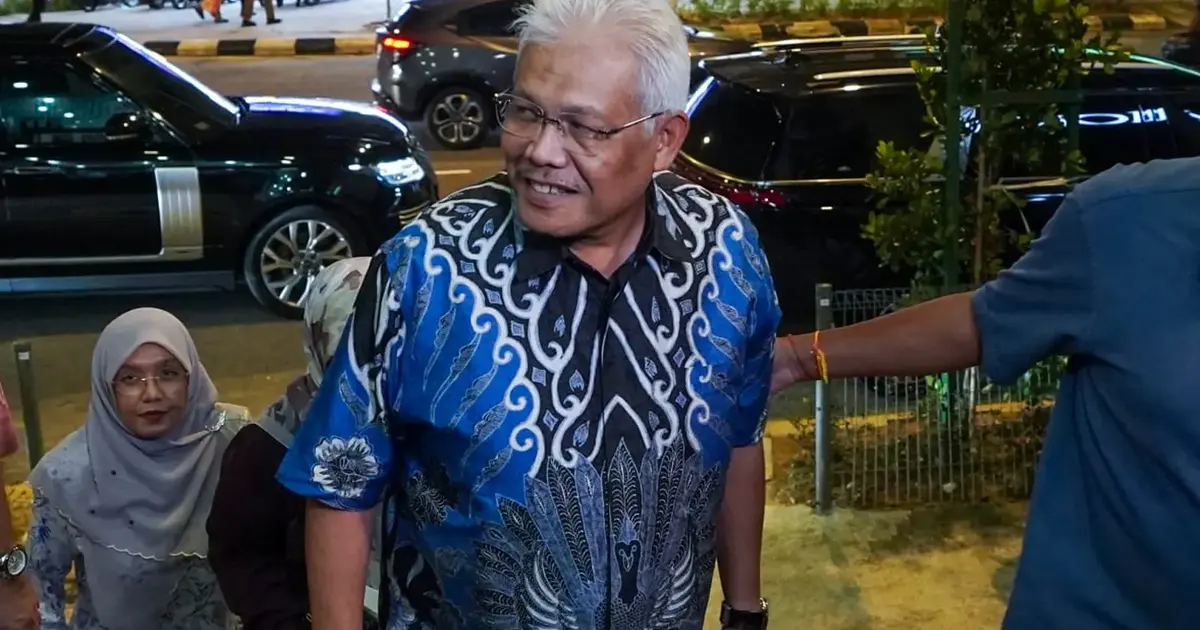
A flurry of political activity has gripped Malaysia's opposition landscape, with several MPs from the Perikatan Nasional (PN) coalition converging on PAS headquarters in what observers view as a critical juncture for the bloc's future direction. Among those spotted at the gathering was Hamzah, a figure whose movements carry considerable weight within the opposition sphere, alongside other parliamentary members aligned with the coalition. The visit underscores the intensity of behind-the-scenes negotiations unfolding within PN's upper echelons as the coalition grapples with fundamental questions about its cohesion and strategic objectives.
The convergence occurs at a particularly volatile moment for the Perikatan Nasional, a coalition that has already weathered multiple storms since its formation. PAS, the Islamist party that has emerged as one of PN's dominant forces, last week took the dramatic step of severing formal ties with Bersatu, the party founded by former Prime Minister Mahathir Mohamad. This rupture represents far more than a mere procedural matter—it signals deep fractures within the bloc over ideology, leadership direction, and the path forward for Malaysia's opposition movement. The timing of the PAS headquarters meeting suggests that various PN figures are scrambling to position themselves within the post-severance landscape.
For Malaysian political observers, this development carries implications that extend well beyond parliamentary theatrics. The PN coalition, which garnered substantial voter support particularly in the Malay-Muslim heartland during recent electoral cycles, has positioned itself as an alternative to the ruling Pakatan Harapan (PH) government. However, internal cohesion has proven elusive, with ideological differences and competing ambitions creating persistent tension. PAS, with its strong grassroots organisation and religious messaging, has consistently outperformed its coalition partners in electoral contests, potentially emboldening the party to reassess its strategic relationships.
The decision to cut ties with Bersatu reflects PAS's growing confidence in its standalone political position. Bersatu, despite the stature of its founder, has struggled to establish the kind of electoral machinery that PAS commands. By severing the formal alliance, PAS gains greater flexibility in negotiating its future arrangements without having to accommodate Bersatu's differing priorities. For Hamzah and other PN MPs attending the meeting, the immediate question becomes whether they will remain within the traditional PN framework or whether new alignments are being forged.
The political calculus facing these opposition figures involves weighing several competing considerations. Maintaining cohesion within PN offers strength in numbers and allows the coalition to present a unified front against the government. Conversely, the tensions that precipitated PAS's decision to part ways with Bersatu suggest that unity may impose unacceptable compromises on parties with divergent visions. Hamzah's attendance is particularly noteworthy given his stature within opposition circles and his previous roles in government, signalling that even senior figures are engaged in the consultations.
Regional observers note that Malaysian coalition politics rarely follows a linear trajectory. Parties frequently recalibrate their partnerships based on evolving circumstances, electoral performance, and the balance of forces. The PAS-Bersatu split may accelerate further reorganisation, potentially creating opportunities for smaller parties or independent MPs to leverage increased bargaining power. For Southeast Asia's broader political landscape, Malaysia's opposition configurations matter because they influence whether the region witnesses competitive, multi-party systems or more entrenched power structures.
The stakes extend beyond institutional arrangements. The Perikatan Nasional's trajectory will shape the political environment facing ordinary Malaysians in coming years. Should PN consolidate itself under clear leadership and coherent policy platform, it could genuinely challenge the incumbent government's dominance. Conversely, continued fragmentation might entrench PH's hold on power by default rather than through demonstrated policy superiority. The meeting at PAS headquarters represents one moment in a longer negotiation process that will determine which scenario materialises.
PAS's leadership, cognisant of the party's enhanced leverage following its Bersatu departure, likely views this period as an opportunity to reshape PN according to its own priorities. The party has successfully built itself into a political force with genuine mass support, particularly among Malay-Muslim voters in peninsula Malaysia and Sabah. With Bersatu no longer constraining its options, PAS can pursue arrangements that align more closely with its core ideological commitments and organisational interests. For parties like Bersatu, conversely, the rupture forces a reckoning about their future trajectory in a political landscape where they lack comparable grassroots reach.
For Malaysian political analysts and international observers tracking the country's governance trajectory, this moment encapsulates the broader fragmentation afflicting opposition politics. Despite substantial voter dissatisfaction with incumbent governments, the opposition's inability to maintain sustained coalition unity regularly undermines its potential to translate discontent into electoral victory. The PAS-Bersatu split, viewed through this lens, represents both an opportunity for reorganisation and a risk of further dispersal that benefits the ruling coalition.
Looking ahead, the meetings at PAS headquarters likely represent the opening moves in a longer negotiation process. Hamzah and other MPs will presumably report back to their respective party leaderships, informing decisions about whether current alignments should persist or whether fundamentally different configurations better serve their interests. The next weeks and months will reveal whether PAS's departure from Bersatu catalyses a broader opposition realignment or merely deepens existing fractures. For Malaysian voters, the outcome will significantly influence their political choices in future elections and the nature of parliamentary opposition available to them.