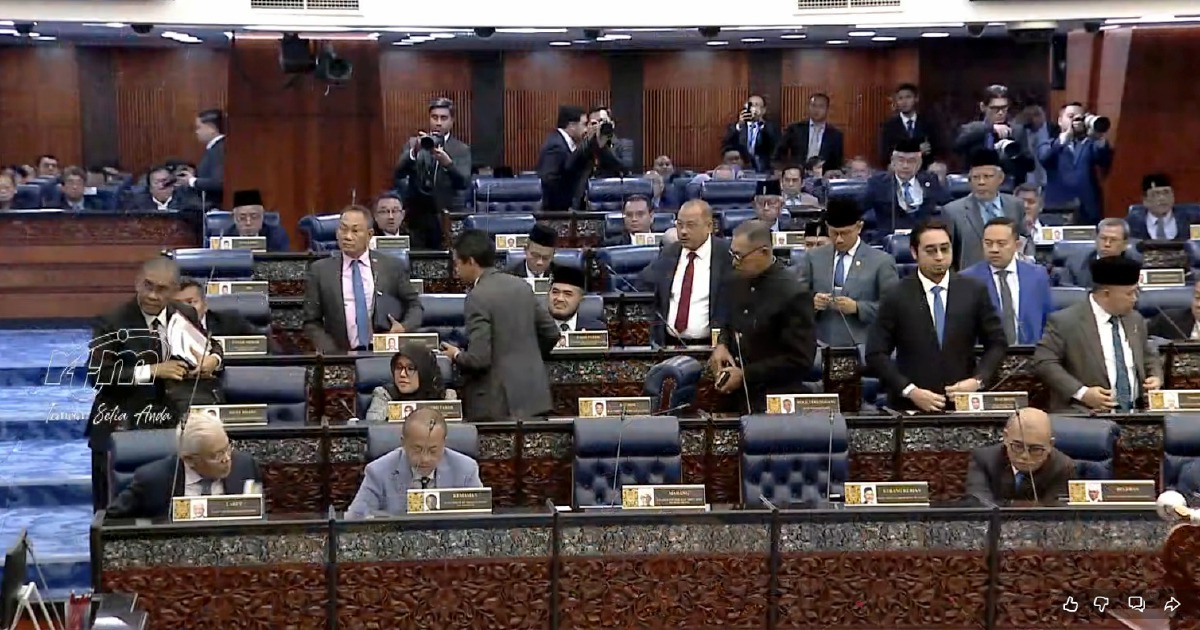
The Malaysian parliament witnessed a dramatic display of dissent as opposition lawmakers staged a coordinated exit from the Dewan Rakyat chamber today, objecting to the Speaker's decision to proceed with a special sitting on the Royal Commission of Inquiry findings regarding Tabung Haji. The lawmakers' departure came after their formal request to postpone the debate until Prime Minister Datuk Seri Anwar Ibrahim could attend was declined by the Speaker, setting the stage for one of the more contentious parliamentary moments in recent weeks.
The opposition's push for adjournment centred on their argument that the Prime Minister's physical presence was essential for the gravest matters affecting the country's Islamic pilgrimage fund. Tabung Haji, which manages savings and pilgrimage arrangements for Malaysian Muslims, has faced considerable scrutiny following allegations of mismanagement and financial irregularities that prompted the royal inquiry. Opposition representatives contended that a meaningful parliamentary examination of the RCI's conclusions would be incomplete without the nation's chief executive available to answer questions and provide government perspective on the findings and any corrective measures.
The Speaker's refusal to grant the postponement reflected the government's apparent determination to proceed with the scheduled proceedings regardless of the Prime Minister's availability. This stance highlighted an ongoing tension between parliamentary procedure and the opposition's preferred conduct of high-stakes debates involving matters of significant public interest. The government's preference to maintain the timetable suggested confidence in its ability to defend its position through other senior ministers and parliamentary representatives, though the opposition clearly disagreed with this assessment.
Tabung Haji represents a sensitive domain within Malaysian politics and governance, given its religious and cultural significance to the Muslim majority population. The fund serves millions of Malaysians seeking to perform the Hajj pilgrimage to Mecca, making any institutional failure or financial mishap a matter of profound concern to the electorate. The RCI's investigation was established to examine governance lapses and financial management practices within the organisation, with anticipation that its report would generate substantial parliamentary debate about accountability and reform measures.
The walkout itself became a tactical move by the opposition to register their objection to what they characterised as procedurally improper conduct of the proceedings. By withdrawing from the chamber en masse, opposition MPs sent a political message about their dissatisfaction while simultaneously reducing their physical capacity to participate in the debate itself. This strategy reflected the complex calculus of parliamentary opposition tactics, balancing protest against potential loss of platform and voice in a crucial national discussion.
The incident underscores broader questions about the conduct of parliamentary business when senior government figures are absent or unavailable. While normal parliamentary procedures can accommodate the Chief Executive's occasional absence, opposition parties argue that matters of exceptional importance warrant flexibility to ensure full governmental engagement. The government's countervailing position maintains that Parliament's business cannot be indefinitely delayed simply because one individual cannot attend, and that properly empowered ministers can adequately represent state interests.
Tabung Haji's governance challenges have drawn attention from Malaysian civil society organisations and religious authorities who are invested in the fund's financial health and management standards. Reports of investment losses, irregular procurement practices, and administrative concerns generated the impetus for the royal inquiry. The RCI's findings would presumably address these systemic issues and propose remedial actions, making the parliamentary debate a critical forum for public accountability and policy redirection.
The Speaker's decision to proceed reflected constitutional and procedural interpretations that prioritise Parliament's functioning as an institution over the availability of particular individuals, even those holding high office. This perspective maintains that democratic governance requires legislatures to conduct their business according to established calendars and procedures, preventing any single person's schedule from disrupting the entire parliamentary agenda. Such reasoning has historical precedent in Westminster-derived parliamentary systems where business typically continues with available ministers deputising for absent senior colleagues.
The opposition's walkout, while dramatic and symbolically charged, did not prevent the RCI debate from occurring, though the absence of opposition voices likely altered the tenor and breadth of questioning and commentary. Parliamentary debates on significant policy matters typically benefit from substantive challenge and critique from opposition benches, and the voluntary withdrawal deprived legislators of an opportunity to publicly scrutinise the government's response to the RCI findings. This tactical cost may have troubled some opposition strategists who recognised that protest sometimes diminishes influence over the outcomes being protested.
The incident reflects deeper partisan divisions in Malaysian Parliament regarding the appropriate balance between procedural regularity and substantive fairness in legislative operations. Moving forward, such confrontations may prompt discussions about establishing clearer protocols for handling special sittings on matters requiring executive-level engagement. The Tabung Haji RCI debate itself remains a significant parliamentary moment given the fund's centrality to Malaysian Muslim life and the public interest in understanding what institutional reforms and accountability measures the inquiry recommends.

