The Negeri Sembilan state election is drawing near with security forces preparing for a significant early voting exercise. More than 22,000 personnel from the Royal Malaysia Police and Malaysian Armed Forces, together with eligible family members, are authorised to cast their ballots ahead of the official polling date. This early voting mechanism, scheduled for July 28, allows essential security and defence personnel to participate in the 16th Negeri Sembilan state election while maintaining their operational duties.
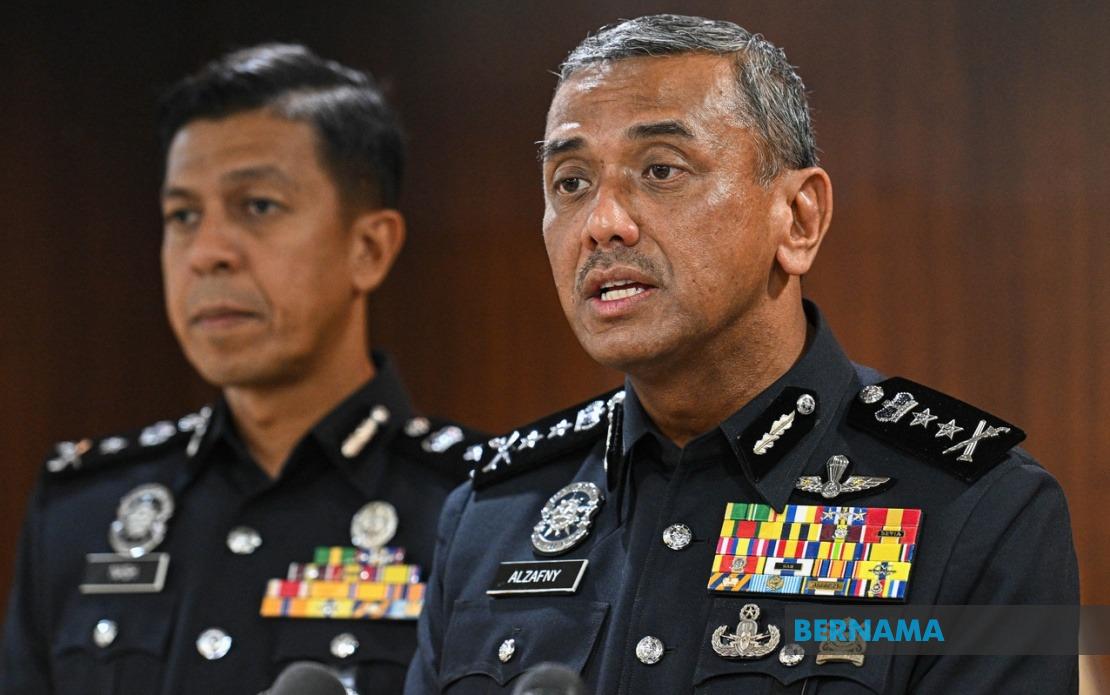
Breaking down the figures, Negeri Sembilan police chief Datuk Alzafny Ahmad explained that the contingent comprises 5,455 PDRM officers and personnel. The remaining 16,884 are Malaysian Armed Forces personnel and their spouses who meet the eligibility requirements for early voting. This substantial turnout reflects the significant security presence in the state and underscores the importance placed on ensuring these frontline workers can participate in the democratic process without disrupting essential services.
Managing such a large-scale voting operation requires careful coordination. On early voting day itself, some 1,796 officers and personnel from the police force will be stationed across various operational zones to facilitate and monitor the process. The police chief further disclosed that an additional 2,393 personnel will be deployed on nomination day this Saturday, demonstrating the police's commitment to ensuring smooth operations throughout the electoral cycle. Beyond these specific dates, the security presence will remain elevated during the campaign period, with 1,685 personnel assigned to general duties, while a substantially larger contingent of 4,788 will be mobilised on the final polling day on August 1.
The electoral commission has structured the entire process methodically. Nomination day falls this weekend, providing candidates the opportunity to formally enter the contest. Early voting on July 28 addresses the practical challenge of allowing security personnel to vote without abandoning their posts during the official voting day. The standard polling period concludes on August 1, allowing the state to proceed toward announcing results and forming a new government.
Beyond the logistical arrangements, Alzafny issued pointed reminders to all participating political parties and their supporters. The police have made clear their expectation that candidates and their supporters maintain discipline and restraint throughout the campaign period. This emphasis on orderly conduct reflects the authorities' determination to prevent electoral tensions from destabilising the state during what is typically an intense period of political activity.
Specific prohibitions have been established to maintain the integrity of the election environment. Political parties are warned against organising unauthorised processions that could disrupt public order. The spread of false information and misleading campaign material represents another area of concern, as do slanderous statements and hate speech directed at opponents or their supporters. The police have indicated that such conduct will not be tolerated and may result in enforcement action.
A particular focus has been placed on sensitive matters relating to religion, race, and the Royal Institution. The police chief stressed that these topics must remain entirely outside the scope of political campaigning, whether in speeches, campaign materials, media statements, or social media content. This protective approach reflects Malaysia's constitutional framework and the established consensus around avoiding politicisation of matters deemed fundamental to national identity and stability.
The authorities have also addressed the post-election phase, calling on all candidates and supporters to accept the electoral outcome with maturity once official results are announced. While acknowledging the right to pursue legal remedies through appropriate channels, the police have clearly warned against actions that could compromise public security or undermine national peace. This forward-looking guidance attempts to establish expectations before tensions potentially arise rather than responding reactively to incidents.
For Negeri Sembilan specifically, this election represents an important moment in state governance. The election occurs in the context of Malaysia's broader political landscape, where state elections can significantly influence the trajectory of federal politics. The fact that security and defence personnel comprise a meaningful voting bloc within the state electorate highlights the interconnectedness of national institutions with state-level democratic processes.
The coordination required to accommodate 22,000 security personnel in early voting also reflects evolving best practices in electoral management across Southeast Asia. By enabling essential workers to vote separately, election authorities can maintain security readiness while preserving democratic participation. This approach has become increasingly common in the region as countries seek to balance operational requirements with inclusive electoral processes.
For Malaysian voters and observers more broadly, the Negeri Sembilan election serves as another test of the nation's democratic institutions. The careful planning evident in police coordination, the clear communication of rules and expectations, and the emphasis on peaceful, orderly conduct suggest a maturing electoral system. However, the explicit need to issue reminders about acceptable behaviour also indicates that maintaining electoral integrity remains an ongoing challenge requiring active management.

