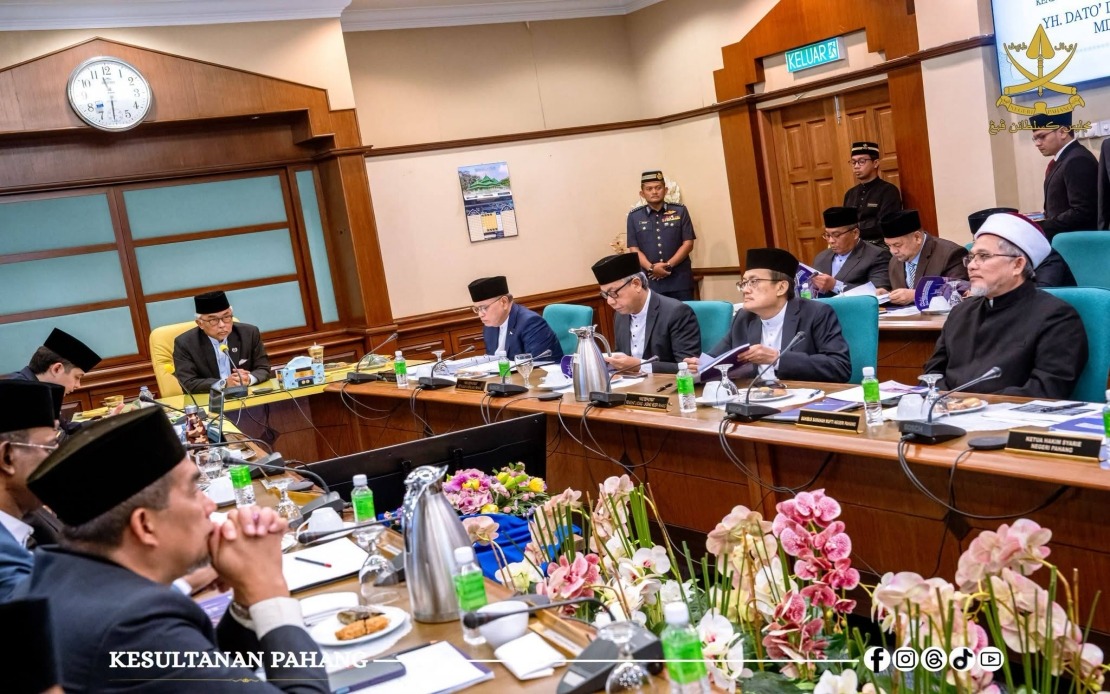
Sultan Al-Sultan Abdullah Ri'ayatuddin Al-Mustafa Billah Shah of Pahang has unveiled a vision for modernising the state's approach to Syariah criminal justice, proposing that community service become a more prominent sentencing option for appropriate offences. Speaking during the 199th Meeting of the Pahang Islamic Religious and Malay Customs Council, the Ruler emphasised that such alternative punishments represent a fundamental shift in how Islamic law is administered, moving away from purely retributive models towards ones that prioritise offender reformation and societal benefit.
The Sultan's intervention reflects growing conversations across Malaysia about balancing religious law enforcement with contemporary rehabilitation principles. His framing of community service not merely as punishment but as a transformative mechanism addresses long-standing concerns within Islamic legal circles about ensuring that Syariah sentences serve broader Islamic objectives of moral education and behavioural change. This conceptual reorientation carries significant implications for how Malaysian states might develop their respective Islamic legal systems in coming years.
According to the official Kesultanan Pahang portal, the Ruler articulated that such sentencing alternatives should be deployed selectively, only for offences deemed suitable under existing legal frameworks. This measured approach suggests Pahang intends to proceed methodically, integrating community service sentences within the current statutory architecture rather than undertaking wholesale judicial overhaul. The Sultan's emphasis on working within legal provisions underscores that any expansion would require careful alignment with both Syariah principles and constitutional requirements governing Islamic courts' jurisdictions.
The rehabilitative philosophy underlying the Sultan's proposal resonates with emerging best practices in criminal justice globally, where evidence increasingly demonstrates that offender reintegration serves public safety better than purely custodial approaches. By anchoring this pragmatism within Islamic values—specifically the concept that sentences should encourage offenders to become responsible community members upholding Islamic principles—the Sultan positions Pahang's judicial innovation as authentically rooted in religious tradition rather than secular import.
Tengku Mahkota Tengku Hassanal Ibrahim Alam Shah's attendance at the council meeting signals the royal household's unified commitment to this judicial direction. In Malaysian constitutional arrangements, sultans' involvement in religious council discussions carries substantial symbolic weight, effectively endorsing specific policy trajectories. The Crown Prince's presence suggests succession continuity on this issue, indicating that Pahang's trajectory toward rehabilitative Syariah justice likely extends beyond the current reign.
For Malaysian readers, particularly those in states considering similar reforms, Pahang's initiative offers a potential blueprint for reconciling Islamic jurisprudential traditions with contemporary penological understanding. The proposal becomes especially relevant as Malaysian states periodically review their Syariah court procedures and sentencing guidelines. Unlike wholesale legal transplantation from secular systems, Pahang's framing roots reform in Islamic texts and values, potentially addressing clerical and community concerns about Westernisation that sometimes impede criminal justice modernisation.
The Sultan additionally recognised achievements by multiple state agencies—the Pahang Royal Council, State Secretary's Office, Islamic Religious Department, and Syariah Prosecution Department—in securing SPINE 2026 Excellent Recognition Certificates for integrity and governance management. This acknowledgment contextualises the community service proposal within broader institutional reform, suggesting that judicial modernisation forms part of comprehensive government strengthening. The Sultan's connection between sentencing innovation and governance excellence implies that progressive Syariah justice administration depends upon institutional integrity and systematic anti-corruption frameworks.
Pahang's approach warrants attention because the state's Syariah court system has historically served as an informal laboratory for Malaysian Islamic legal development. Decisions and practices established in Pahang frequently influence other states as they contemplate amendments to their own Islamic legal codes. If community service sentencing gains acceptance and demonstrable positive outcomes in Pahang, other state Islamic councils may follow, eventually creating momentum toward nationwide Syariah criminal justice evolution.
The practical implementation of community service sentences within Syariah frameworks presents distinct challenges compared to secular criminal systems. Islamic courts must determine which offences qualify for such alternatives, establish supervision mechanisms ensuring offenders fulfil community obligations, and develop performance metrics demonstrating that sentences achieve Islamic justice objectives. The Sultan's call for "meaningful and practical decisions" suggests Pahang intends to address these complexities through detailed policy development rather than aspirational pronouncements.
Broader implications extend to Malaysia's international standing as an Islamic democracy. International observers often scrutinise Muslim-majority nations' criminal justice practices, particularly regarding Syariah law. Pahang's demonstrated willingness to integrate rehabilitation and social benefit principles into Islamic sentencing may contribute to more nuanced global understanding of how Islamic legal traditions can accommodate progressive penological approaches without compromising religious authenticity.
The Sultan's initiative ultimately reflects confidence in Islamic law's flexibility and contemporary relevance. Rather than accepting a false choice between traditional Islamic jurisprudence and modern criminal justice principles, the Pahang proposal suggests these frameworks can synthesise productively. As Malaysia continues navigating the relationship between religious and secular law, models like Pahang's community service proposal become increasingly consequential for demonstrating that Islamic legal systems can evolve responsively to new understandings of justice and rehabilitation while remaining grounded in religious principles and constitutional bounds.

