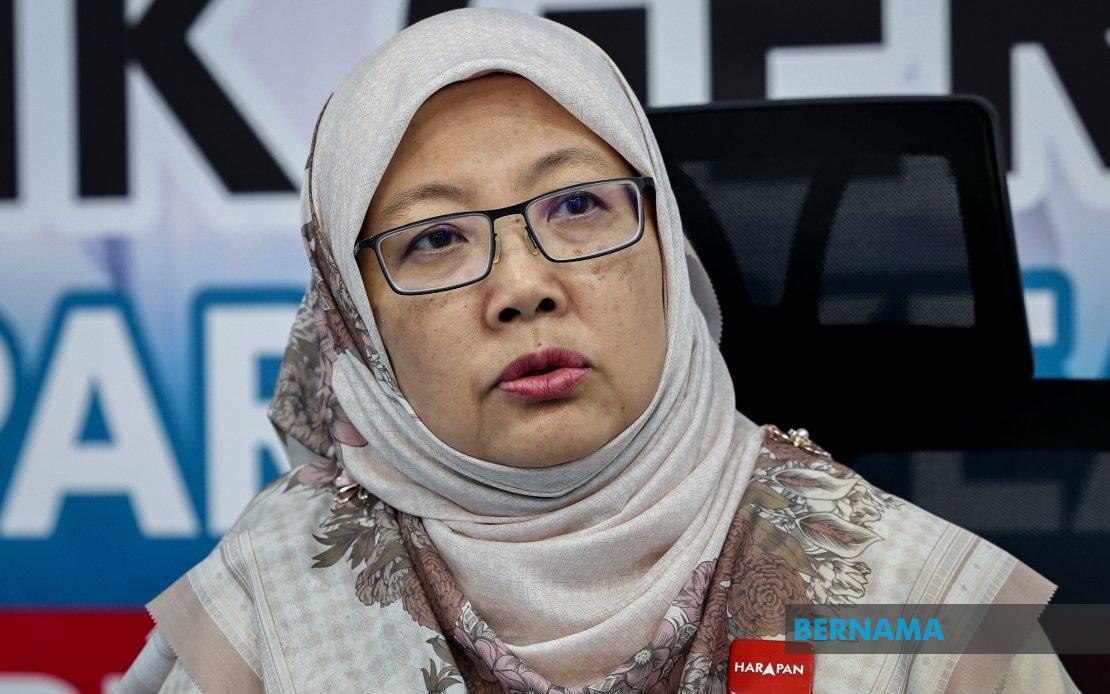
Pakatan Harapan is poised to unveil its complete roster of candidates for the Johor state election this coming Monday, according to Johor PKR chairman Datuk Seri Dr Zaliha Mustafa. The announcement marks a critical juncture in the opposition coalition's preparation for the July 11 polling day, which will determine the composition of the 56-seat state assembly. The timing of the candidate reveal comes just two weeks before the official nomination period begins on June 27, allowing candidates adequate time to campaign across their respective constituencies.
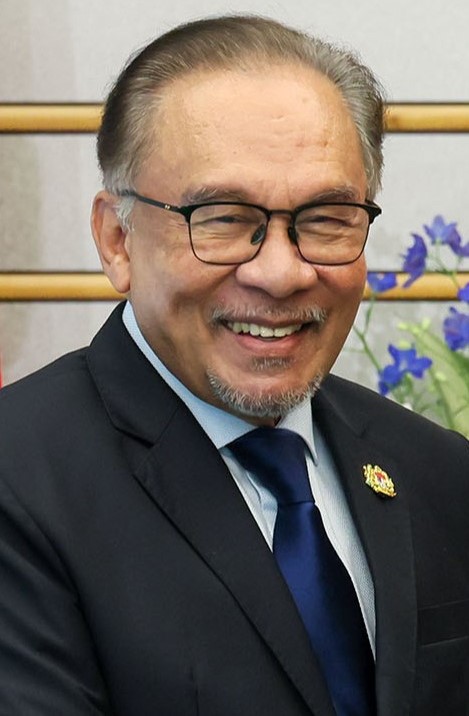
The unveiling ceremony will serve as a showcase for the coalition's unity and leadership credentials, with top party figures expected to grace the occasion. Datuk Seri Anwar Ibrahim, the PH chairman, is anticipated to be present alongside other senior party officials, signalling the importance attached to the Johor contest. This visible display of party cohesion carries symbolic weight in Malaysian politics, particularly given the fractious nature of coalition politics in recent years and the need to project confidence to voters across the state.
Dr Zaliha disclosed that organisers have selected a venue in northern Johor for the ceremony, with Bukit Gambir in Tangkak emerging as the likely location. The geographical choice reflects a deliberate strategy by PH to capitalize on momentum in the state's northern zone, where the coalition has conducted a series of grassroots engagement programmes. The northern region has reportedly demonstrated encouraging levels of public receptivity, with community events in areas such as Bukit Naning generating particularly strong responses. By holding the candidate announcement in this hotbed of support, PH aims to sustain and amplify the wave of enthusiasm among potential voters in one of the state's politically significant regions.
The selection process for PH's candidates has been characterised by what Dr Zaliha described as a consultative approach spanning multiple organisational levels. The procedure involved gathering input from branch-level party structures, ensuring that nominated candidates possess genuine understanding of local community concerns and demonstrate tangible track records of public service. This bottom-up methodology aims to enhance the legitimacy of selected candidates within their constituencies and mitigate potential grievances from party members who may have harboured alternative preferences.
Diversity represents another cornerstone of the candidate selection framework that PH has emphasised. The coalition has deliberately woven together candidates from varied professional backgrounds, age demographics, gender categories, and ethnic communities. This conscious effort to construct a balanced and representative candidate slate reflects PH's understanding that modern Malaysian voters increasingly expect political parties to mirror the pluralistic composition of society. The inclusion of professionals, younger aspirants, and women alongside traditional candidates signals the coalition's commitment to modernizing its political appeal and broadening its electoral base.
The three-party coalition has distributed the 56 contested seats according to an agreed formula that reflects historical performance and negotiated entitlements. PKR will field 20 candidates, positioning itself as the largest PH contingent in Johor despite DAP's numerical strength in other states. The Democratic Action Party will contest 17 seats, maintaining its role as the coalition's second force in the state, while Amanah will put forward 19 candidates. This allocation represents a balance between honouring each party's organisational capacity and strategic interests while maintaining coalition unity, a delicate equilibrium that took weeks of behind-the-scenes negotiation to finalise.
Dr Zaliha articulated that beyond demographic representation, candidates must possess genuine capacity to advance PH's overarching political objectives in the election. Individual credentials alone do not determine selection; prospective candidates must align with the coalition's broader vision and demonstrate commitment to collective goals. This emphasis on coherent political direction aims to ensure that elected representatives, should PH achieve electoral success, maintain sufficient ideological and strategic alignment to function as a cohesive governing force rather than fragmenting into competing local or individual agendas.
The coalition's strategic objective in this election extends considerably beyond simply augmenting its seat count relative to previous electoral contests. Instead, PH has explicitly targeted the formation of a state government as its primary goal—a threshold that requires winning at least 29 of the 56 assembly seats. This aspiration reflects the opposition coalition's strategic calculation that Johor, long considered a bastion of Barisan Nasional dominance, has undergone sufficient political realignment and demographic shifts to render a PH government plausible. Success in Johor would substantially reshape the political map of Peninsular Malaysia and demonstrate PH's viability as an alternative governing force at the state level.
The election calendar provides candidates with approximately three weeks of formal campaigning between nomination day on June 27 and polling day on July 11. Early voting is scheduled for July 7, creating an additional dimension to campaign strategy as candidates and parties will need to mobilise supporters through early voting channels in addition to conventional election-day operations. The compressed timeframe necessitates that candidates hit the ground immediately upon nomination, maximising visibility and engagement within their constituencies during this critical window.
For Malaysian observers and political analysts, the Johor election assumes particular significance as a barometer of national political sentiment and a dress rehearsal for PH's federal prospects. The state has historically wielded disproportionate influence in Malaysian politics due to its substantial electoral weight and geographic position. A strong PH performance would validate the coalition's revival following its electoral defeat in 2023 and suggest that voter appetite for political change remains robust. Conversely, a disappointing result would raise questions about PH's viability and potentially embolden rival political coalitions.
The candidate announcement on Monday will provide the Malaysian electorate with its first comprehensive glimpse of the individuals and faces that PH is advancing for public mandate. The quality of the candidate slate, perceived representativeness, and apparent calibre of nominees will significantly influence media narratives and public perception in the weeks preceding the poll. For PH's coalition partners and grassroots supporters, the revealed roster will either validate their hopes that the party is building a credible alternative government or generate concerns about electoral viability and representation.