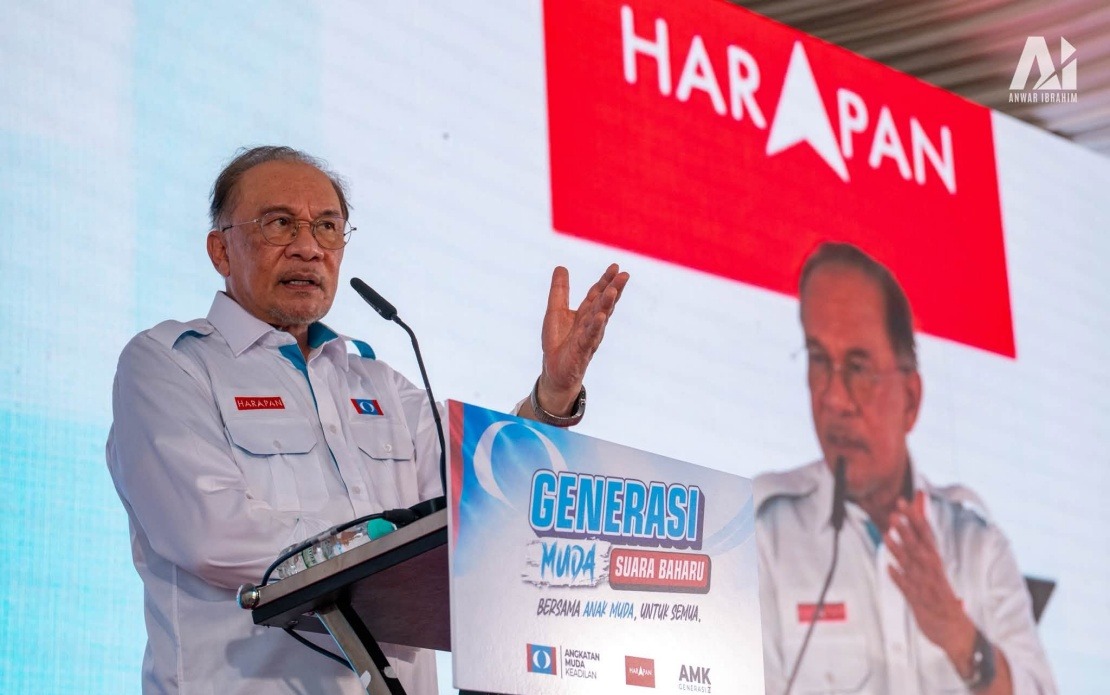
Pakatan Harapan is rallying support in Negeri Sembilan ahead of the state election scheduled for August 1, emphasising its commitment to clean administration and institutional integrity. The coalition, through Prime Minister Datuk Seri Anwar Ibrahim's recent appeal, has urged voters to grant it a fresh mandate to continue steering the state towards transparent governance and economic stability.
Anwar, who chairs the PH coalition, framed the electoral choice as one between trustworthy stewardship and accountability. In his campaigning message, the Premier invoked religious values to underscore the coalition's philosophical foundation, citing Quranic teachings on collaborative effort and the avoidance of discord. This rhetorical approach reflects PH's broader messaging strategy of positioning itself as the custodian of institutional probity following years of governance under previous administrations.
The Negeri Sembilan state contest represents a significant barometer of public sentiment regarding the PH-led federal government's performance since 2022. As a state with traditionally competitive electoral dynamics, the outcome may offer insights into voter preferences across the central region and signal broader trends ahead of future national polls. The coalition's unified approach across three component parties underscores its effort to present a consolidated front to voters.
PH's candidate allocation reveals the internal balance within the coalition's power structure. The People's Justice Party (PKR) has been assigned 16 of the 36 contested seats, reflecting its position as the largest PH component. The Democratic Action Party (DAP) will field 11 candidates, while the National Trust Party (Amanah) rounds out the slate with nine nominations. This distribution demonstrates how PH negotiates seat allocations to maintain coalition cohesion while respecting the electoral contributions and organisational reach of each member party.
The framing of the campaign around governance quality and institutional trustworthiness addresses concerns that have periodically surfaced regarding political conduct and financial transparency at state and federal levels. By repeatedly emphasising clean administration, PH appears to be attempting to reinforce its differentiation from previous governments and consolidate support among voters prioritising good governance over sectarian or personality-driven considerations.
For Negeri Sembilan specifically, the election carries implications for state-level development priorities, investment climate perceptions, and the state government's capacity to deliver on infrastructure and social programmes. The central location of Negeri Sembilan within Malaysia's economic corridor means that governance quality and administrative efficiency directly influence regional competitiveness and investor confidence across the greater Klang Valley and Kuala Lumpur metropolitan zone.
The electoral calendar affords voters a clear timeline for decision-making. Early voting has been scheduled for July 28, providing working Negeri Sembilan residents and those working elsewhere but registered in the state an opportunity to participate before the main polling day. This staggered approach is designed to maximise turnout and accommodate citizens with scheduling constraints during the standard polling window.
From a broader Southeast Asian perspective, Malaysia's state elections serve as ongoing tests of the resilience of its multi-party democratic system and the viability of coalition-based governance models. The Negeri Sembilan contest, though state-level, contributes data points for assessing whether PH's federal coalition maintains electoral credibility and can replicate its 2022 federal victory in subnational contests. Regional observers often examine Malaysian electoral outcomes for indicators of stability and governance legitimacy.
The coalition's campaign messaging around values and shared prosperity resonates within Malaysia's diverse, multicultural context where appeals to ethical governance transcend communal boundaries. By anchoring its political platform in principles of integrity and inclusive administration rather than identity-based grievances, PH seeks to build coalitions of voters united by governance expectations rather than fragmented by sectional interests.
Looking ahead, the results from Negeri Sembilan will inform PH's strategic posture in upcoming state elections and provide crucial feedback regarding the coalition's electoral machinery, message effectiveness, and ground-level organisational capabilities. For Malaysian voters assessing the federal government's trajectory, the state election offers an opportunity to express satisfaction or dissatisfaction with PH's overall stewardship and vision for the nation's future direction.

