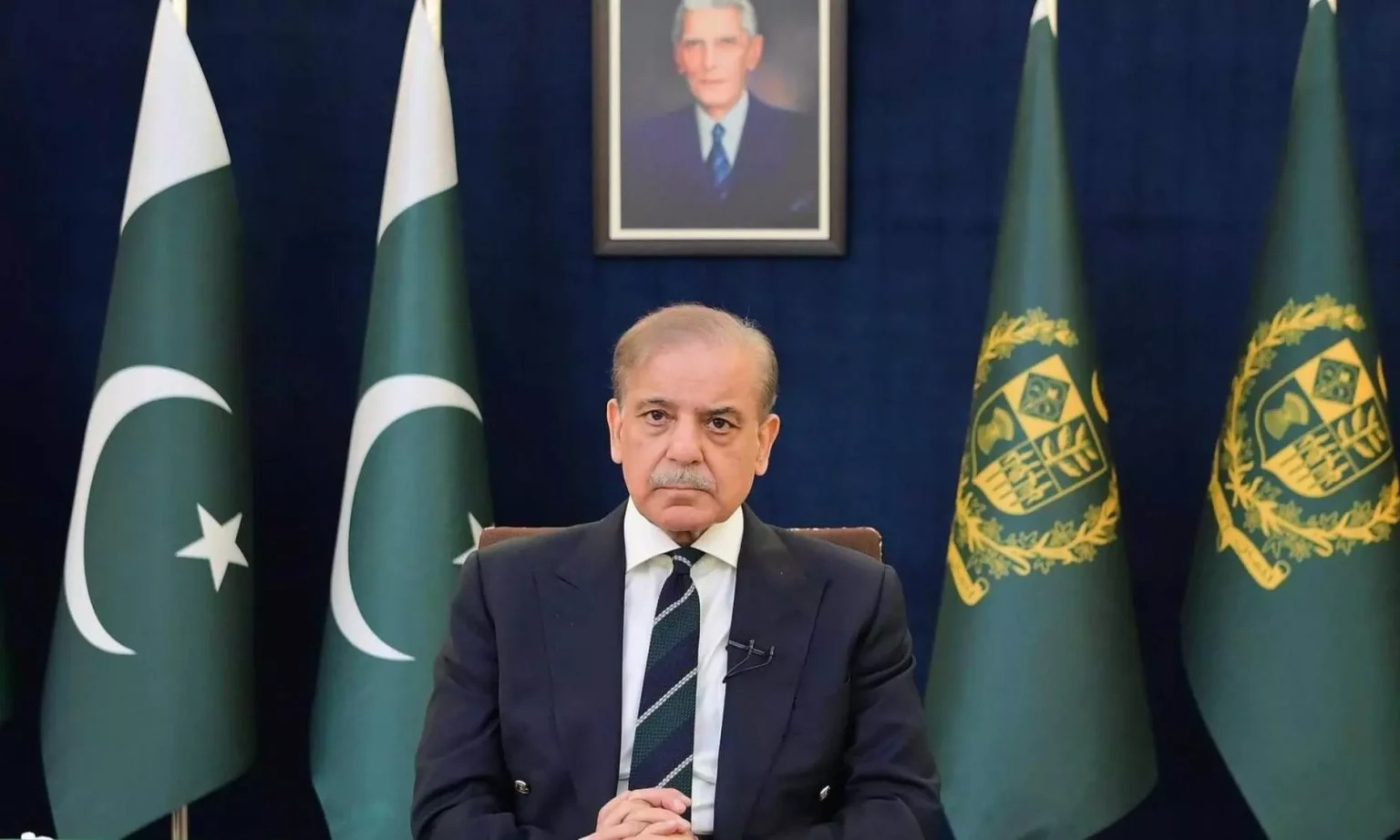
Pakistan and Syria have embarked on a diplomatic initiative to revitalise their longstanding relationship, with both nations signalling willingness to pursue substantive cooperation across defence, trade, investment and cultural domains. The strategic engagement gained fresh momentum following Syrian Foreign Minister Asaad Hassan Al Shaibani's visit to Islamabad, a significant development marking the first such visit by a senior Syrian diplomatic official to Pakistan in nearly two decades, underscoring the priority both governments are placing on rekindling meaningful ties.
During his time in Pakistan's capital, Shaibani held comprehensive discussions with Prime Minister Shehbaz Sharif and key cabinet ministers, with the agenda reflecting both nations' desire to move beyond ceremonial gestures toward concrete collaboration. Prime Minister Sharif reaffirmed Pakistan's unwavering commitment to Syria's territorial integrity and national unity, while pointedly restating Pakistan's principled position on the Golan Heights—a matter of significant importance to Damascus given the disputed territory's geopolitical significance in the Middle Eastern context.
The conversation between Sharif and Shaibani highlighted the historical depth of Pakistan-Syria relations, but notably emphasised the imperative of translating this historical foundation into demonstrable contemporary benefits. Pakistan's leadership articulated a vision extending beyond ceremonial relations into substantive engagement spanning political dialogue, military cooperation, commercial activity, investment flows, educational exchanges and targeted human resource initiatives. This multi-sectoral approach reflects a recognition that modern bilateral relationships require breadth and institutional depth to achieve lasting results and mutual benefit.
Perhaps most symbolically, both delegations identified the restoration of direct air connectivity as a priority mechanism for enhancing people-to-people exchange and cultural understanding. The resumption of direct flights would practically facilitate tourism, business travel and social connections between Pakistani and Syrian citizens, addressing a significant logistical barrier that has accumulated during the period of reduced engagement. This infrastructure-level cooperation often provides the foundation upon which higher-order diplomatic and commercial relationships are constructed.
The bilateral discussions extended to prominent regional concerns reflecting the broader Middle Eastern and South Asian security environment. Shaibani and Pakistan's Deputy Prime Minister and Foreign Minister Ishaq Dar exchanged perspectives on the Palestinian question, the contested Golan Heights, Afghanistan's evolving political trajectory, contemporary dynamics within South Asia and the broader West Asian security landscape. This wide-ranging conversation demonstrates that Pakistan views Syria not merely as a historical partner but as a strategic actor relevant to multiple geopolitical domains affecting Pakistan's regional interests and positioning.
Syria's foreign minister notably welcomed Pakistan's recent accession to the Makkah Joint Defence Agreement, a multilateral defence framework of significant strategic importance. Shaibani further acknowledged Pakistan's constructive diplomatic efforts toward regional stability and explicitly commended Islamabad's initiatives aimed at de-escalating tensions between the United States and Iran. This recognition reflects Syria's awareness of Pakistan's delicate diplomatic positioning and its efforts to maintain equilibrium in a volatile regional context characterised by competing great power interests and sectarian tensions.
The economic dimension emerged as a priority area requiring immediate institutional attention. Shaibani engaged directly with Pakistani Commerce Minister Jam Kamal Khan to explore mechanisms for expanding bilateral trade volumes and investment flows. The Syrian minister also briefed his Pakistani counterpart regarding Syria's substantial infrastructure reconstruction requirements—a consequence of the prolonged internal conflict that has devastated the country's physical capital and economic base. This represents a potential avenue where Pakistani construction companies, engineering firms and development expertise could meaningfully contribute to Syria's rehabilitation efforts while generating commercial opportunities for Pakistani enterprises.
Commerce Minister Khan advocated for increased direct engagement between Pakistan's private sector and Syrian counterparts, recognising that government-to-government cooperation requires parallel mobilisation of commercial actors and business communities. In response, Shaibani proposed the formalisation of institutional mechanisms through establishing a joint business council dedicated to promoting trade, investment and entrepreneurial partnerships. Such a body would provide permanent institutional infrastructure for identifying commercial opportunities, resolving disputes and coordinating sector-specific collaboration across manufacturing, agriculture, services and infrastructure domains.
For Malaysian and Southeast Asian observers, the Pakistan-Syria rapprochement carries several implications. First, it signals Pakistan's deliberate cultivation of historical relationships in the Arab world even as it manages its primary strategic concerns in South Asia and its crucial relationship with China. Second, it reflects how smaller economies navigate great power competition by diversifying partnerships and emphasising multilateral frameworks like the Makkah agreement. Third, the emphasis on reconstruction partnerships potentially creates lessons relevant to post-conflict Southeast Asian contexts regarding economic rehabilitation and regional cooperation mechanisms.
The timing of this diplomatic engagement warrants consideration within Syria's broader regional rehabilitation efforts following years of conflict. As Damascus seeks international normalisation and regional reintegration, partnerships with stable non-Arab Muslim-majority nations like Pakistan offer diplomatic and economic pathways. For Pakistan, engaging Syria strategically enhances its positioning within Arab world politics, particularly among nations whose governance models and geopolitical alignments align broadly with Islamabad's preferences and religious-cultural foundations.
The substantive focus on trade and investment rather than purely ceremonial diplomacy suggests both nations recognise that enduring relationships require economic foundations and institutional structures supporting regular interaction at multiple governmental and commercial levels. The proposed joint business council particularly reflects recognition that modern bilateral relations demand formal mechanisms institutionalising cooperation and creating accountability structures encouraging follow-through on diplomatic commitments beyond official visits.
Moving forward, success will depend on translating these high-level commitments into concrete institutional arrangements, regulatory frameworks facilitating commerce and sustained engagement at working levels across multiple government departments and private sector actors. The absence of direct flights and limited existing trade volumes indicate substantial work remains in building the practical infrastructure underlying robust bilateral ties. Nevertheless, the priority signalled by both foreign ministers and the comprehensive agenda pursued suggests serious commitment to revitalising this partnership during a period when Syria seeks rehabilitation and Pakistan pursues diversified regional engagement.

