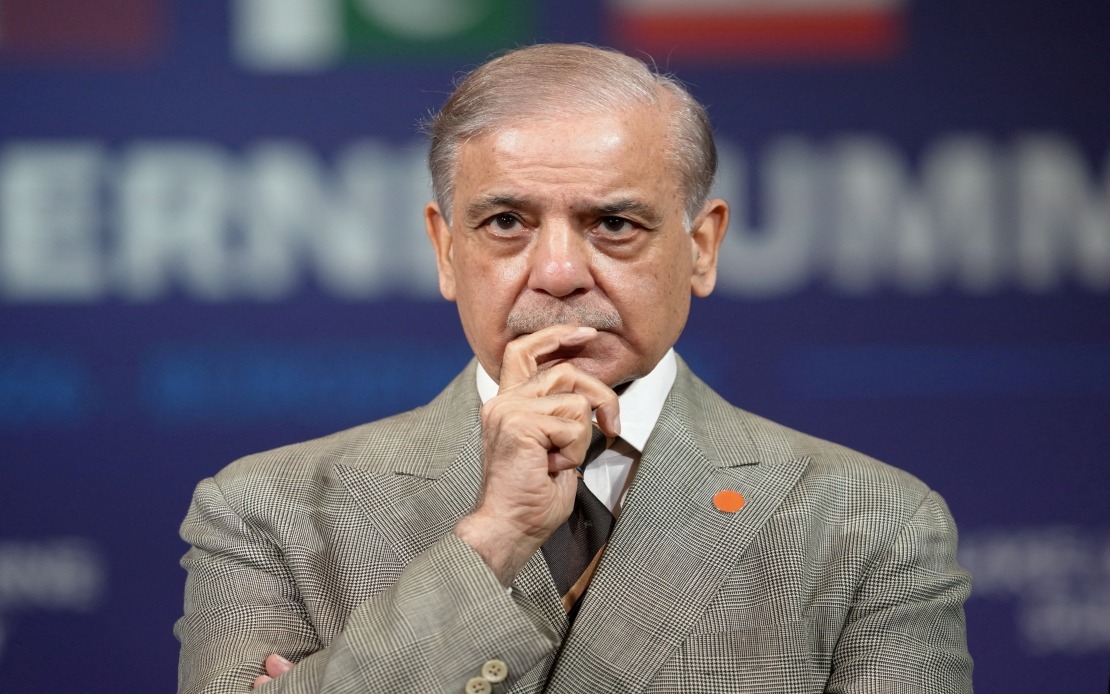
Pakistan and Türkiye have signalled their determination to forge a more robust economic partnership, with Prime Minister Shehbaz Sharif meeting President Recep Tayyip Erdogan in Istanbul to chart a fresh course for bilateral commerce and investment. The Saturday discussions centred on elevating trade volumes and unlocking cooperation across multiple strategic sectors, marking a significant moment in the two nations' ongoing relationship.
At the heart of the bilateral agenda lies an ambitious target of US$5 billion in annual trade, a figure that underscores the scale of ambition both governments are prepared to pursue. To reach this objective, Pakistani and Turkish officials have identified several priority domains where collaboration could deliver tangible results. Energy cooperation stands foremost, given Türkiye's regional significance as an energy hub and Pakistan's pressing infrastructure needs. Transportation and logistics also feature prominently, offering opportunities to strengthen supply chains and regional connectivity that would benefit both economies and the broader South and Central Asian corridor.
A particularly noteworthy element of the partnership is the proposed Pakistan-Türkiye digital corridor, which Prime Minister Shehbaz outlined during his meeting with Turkcell Chief Executive Officer Ali Taha Koc. This initiative reflects broader regional trends toward digitalization and recognises that Southeast Asian and South Asian economies increasingly depend on secure data flows and integrated digital infrastructure. The corridor would facilitate cross-border data transmission while maintaining security safeguards—a delicate balance that developing nations must strike as they modernise their technological ecosystems. Such infrastructure could position both countries as intermediaries for regional digital trade and innovation.
The business conference in Istanbul proved instrumental in translating political commitment into commercial opportunity. Pakistan's Deputy Prime Minister and Foreign Minister Ishaq Dar led a substantial delegation that included ministers overseeing maritime affairs, power generation, petroleum resources, privatisation, information technology, and telecommunications. This whole-of-government approach signals that Islamabad views the partnership as touching every aspect of economic policy, not merely isolated sectoral ventures. By bringing ministers from disparate portfolios into direct dialogue with Turkish executives, Pakistan created space for holistic discussions about investment ecosystems and regulatory environments.
Turkey's corporate heavyweight Koc Holding, one of the world's largest conglomerates with interests spanning automobiles, energy, chemicals, and food production, featured prominently among participants. The presence of Arcelik, a major home appliances manufacturer; Aygaz, a significant distributor of liquified petroleum gas; and Demir Export signals that conversations extended beyond raw materials and energy to encompass consumer goods, manufacturing, and industrial value chains. These companies possess substantial experience in emerging markets and technical expertise that Pakistan could leverage as it pursues its own industrial modernisation agenda.
The thematic focus on energy, manufacturing, mining, and industrial investment reflects the sectors most critical to Pakistan's economic stabilisation and long-term growth trajectory. Pakistan's power generation capacity requires continuous augmentation to meet rising demand from urbanisation and industrial expansion. Turkish companies operating in thermal, renewable, and hydroelectric generation possess proven track records that could be replicated within Pakistan's context. Mining cooperation is similarly significant—Pakistan possesses mineral reserves that remain underexploited, while Turkish firms bring extraction and processing expertise.
For Malaysian and Southeast Asian observers, this Pakistan-Türkiye economic deepening carries wider implications. Both nations occupy strategic positions within their respective regions, and their ability to catalyse cross-border economic activity serves as a template for how emerging markets can leverage geography and political relationships to drive development. The emphasis on digital infrastructure and technological integration aligns with broader regional movements toward digital economies that transcend traditional geographic barriers. Should the Pakistan-Türkiye partnership succeed in achieving its ambitious trade targets, it could demonstrate to other regional pairings how to move beyond rhetorical partnerships toward measurable commercial outcomes.
The involvement of Turkey's corporate sector also illustrates how private enterprise increasingly drives bilateral relationships, sometimes moving ahead of formal government initiatives. Companies like Koc Holding operate across continents and bring not merely capital but operational expertise, supply chain networks, and global market access—assets that complement government-to-government engagement. Pakistan's willingness to facilitate direct minister-to-business dialogues acknowledges this reality and positions itself to benefit from Turkish companies' international experience and risk appetite.
Looking forward, translating these commitments into sustained economic activity remains the challenge. Bilateral trade relationships between emerging economies often struggle to progress beyond initial announcements due to infrastructure gaps, regulatory misalignment, currency volatility, and shifting political priorities. The specificity of the $5 billion target, however, provides a measurable benchmark against which progress can be assessed. Both governments have staked political capital on this partnership, creating incentive structures for follow-through that might not exist for vaguer commitments.

