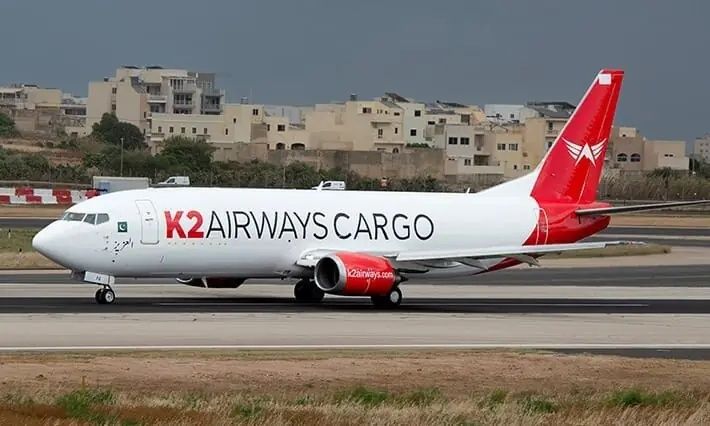
Pakistan mounted a major search and rescue operation on Wednesday following the disappearance of a K2 Airways Boeing 737-400 freighter aircraft in the Arabian Sea. Prime Minister Shehbaz Sharif confirmed that the plane, carrying five crew members, had gone down in the sea with all aboard presumed lost. The confirmation came after the aircraft lost radar contact while descending rapidly towards Karachi, marking yet another aviation tragedy for the South Asian nation.
The ill-fated flight was en route from Sharjah in the United Arab Emirates to Karachi's main airport when disaster struck on Tuesday evening. According to the Pakistan Airports Authority, radar data revealed the Boeing 737-400 entering a steep and unexplained descent at 21:21 Pakistan Standard Time, approximately 155 nautical miles west of Karachi. Before losing altitude, the aircraft had transmitted alerts regarding navigational system malfunctions, providing crucial clues to investigators attempting to piece together what caused the sudden loss of control.
Flight tracking data from Flightradar24.com painted a picture of a deteriorating situation unfolding in the sky. The preliminary information showed the aircraft first losing height substantially, then climbing briefly as if the pilots attempted recovery, before entering a catastrophic final descent from which no recovery was possible. This sequence of events suggests the crew may have briefly regained control or encountered conflicting instrument readings before the situation became unrecoverable. The navigational system failures reported before the descent raise questions about whether the pilots were working with degraded or unreliable flight data during critical moments.
Prime Minister Shehbaz Sharif issued a statement expressing profound sorrow over the incident and immediately ordered Pakistan's civil aviation authorities, navy, and air force to mobilise all available resources for the rescue operation. The response reflected the gravity of the situation and the government's determination to locate any survivors and recover the aircraft wreckage. Both military and civilian vessels, including merchant ships operating in the region, joined naval and air force assets in combing the Arabian Sea for debris or signs of the missing plane. The involvement of multiple maritime and air assets underscores Pakistan's commitment to comprehensive search efforts despite the deep waters and challenging conditions in the search area.
K2 Airways, the operator of the aircraft, is a privately held cargo airline based in Pakistan that serves both domestic and international routes. The company operates a fleet of converted freight aircraft, providing freight services to clients across the subcontinent and beyond. The loss of this aircraft represents a significant operational blow to the airline and raises questions about the maintenance and safety protocols governing its operations.
The Boeing 737-400 itself had an extensive history spanning more than two decades. Built in 1999, the narrow-body jet originally flew as a passenger aircraft for major international carriers including the Soviet-era Aeroflot and Indonesia's Garuda Indonesia. The plane was later converted to a cargo configuration in 2012, a common practice in aviation where ageing passenger jets find extended service life as freight aircraft. Such conversions involve significant structural modifications to remove passenger amenities and install cargo loading systems, work that must meet strict regulatory standards.
This latest incident occurs against a troubling backdrop of aviation safety concerns in Pakistan. The country has experienced several catastrophic crashes over the past decade, with the southern coastal city of Karachi itself the site of multiple disasters. These repeated incidents have cast a long shadow over Pakistan's aviation sector and prompted international scrutiny of safety standards. The European Union took the unprecedented step of banning Pakistan's national carrier, Pakistan International Airlines, from European airspace for four consecutive years due to persistent safety and licensing deficiencies. Although the union lifted this ban in 2024 following demonstrated improvements, the move reflected deep-seated concerns about operational standards within Pakistan's aviation industry.
The circumstances surrounding this cargo plane crash will inevitably reignite debate about safety oversight in Pakistan's aviation sector. Regulators and industry observers will examine whether the K2 Airways operation met all required standards, whether the aircraft received appropriate maintenance, and whether crew training protocols were adequate. The navigational system failures reported before the crash will receive particular attention, as such technical issues demand explanation and investigation into how they were handled.
For Malaysian and Southeast Asian readers, this incident serves as a reminder of the interconnected nature of regional air transport networks. Many freight services connecting Malaysia, Thailand, and other nations with South Asian markets depend on operators like K2 Airways. The crash raises broader questions about safety standards across smaller regional carriers operating in the subcontinent and highlights the importance of rigorous oversight and maintenance practices regardless of an airline's size or market focus. As investigations proceed, the findings will likely influence how regional aviation authorities assess risk profiles and safety practices among carriers operating cross-border services.

