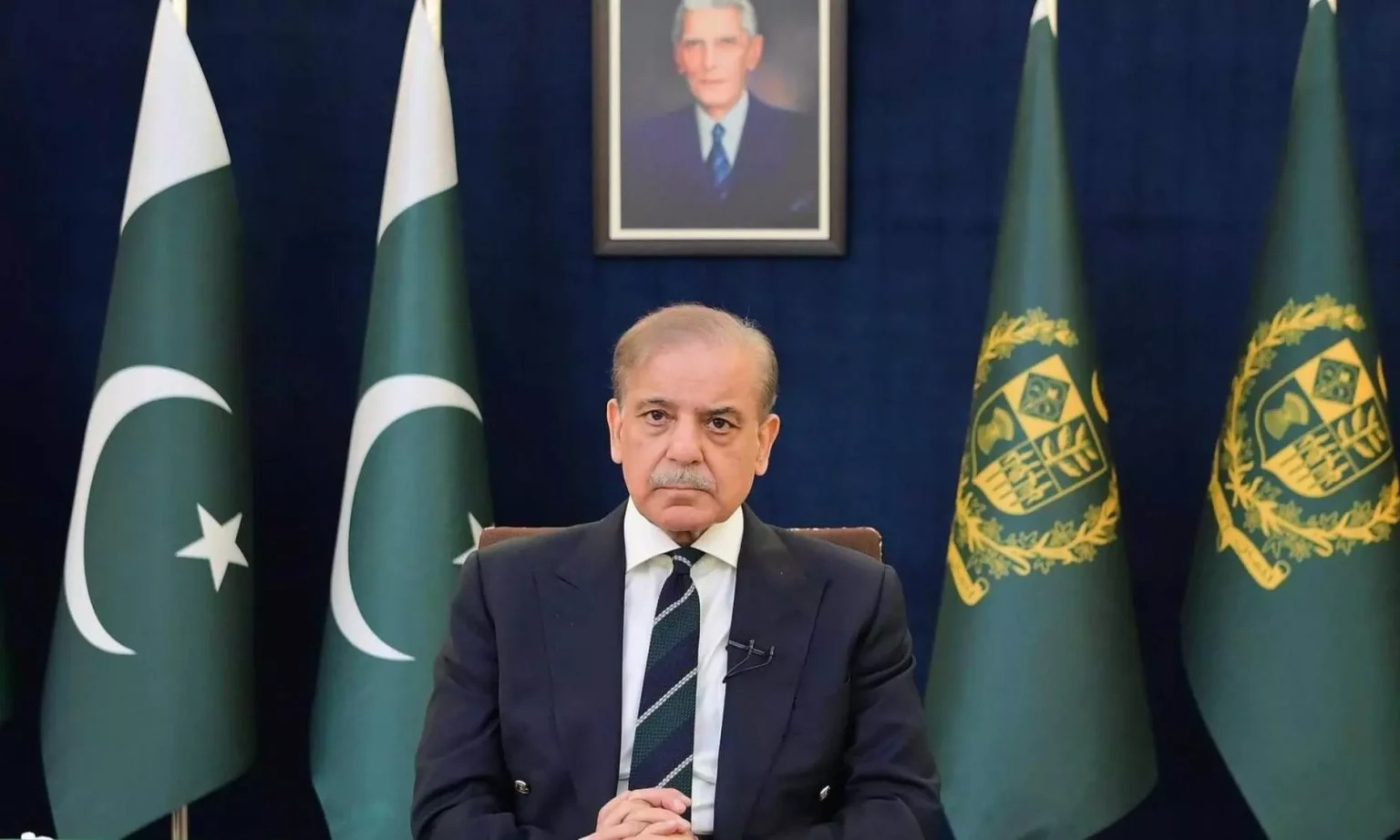
Pakistan Prime Minister Shehbaz Sharif is set to journey to Iran to pay his respects at the funeral of Supreme Leader Ayatollah Ali Khamenei on July 4, underscoring the importance both nations place on their bilateral relationship during a period of significant transition in Tehran's leadership. The decision to dispatch the prime minister himself reflects Pakistan's commitment to demonstrating solidarity with its neighbour at a critical juncture.
The Pakistani Foreign Ministry confirmed the high-level attendance through spokesman Tahir Andrabi during a media briefing in Islamabad on Thursday. Andrabi stated that Sharif would deliver formal condolences on behalf of both the Pakistani government and its people to the Iranian leadership and the families grieving the death of Khamenei, who has served as Iran's supreme leader since 1989. This ceremonial gesture carries weight beyond mere protocol, signalling Pakistan's desire to maintain and strengthen diplomatic ties with Tehran regardless of any internal political changes.
The prime minister's delegation will be substantial, reflecting the occasion's significance. Sharif will be accompanied by Deputy Prime Minister and Foreign Minister Ishaq Dar, whose presence signals that substantive discussions on bilateral matters may occur alongside the funeral proceedings. Additional cabinet ministers will also form part of the entourage during the July 3-5 foreign visit, enabling Pakistan to conduct broader diplomatic engagement while paying respects.
Following the funeral ceremony in Tehran, Sharif's itinerary includes a strategic pivot westward to Ankara. He will travel to Turkey at the invitation of President Recep Tayyip Erdogan, where the two leaders are expected to discuss both bilateral relations and broader regional issues affecting South Asia, the Middle East, and Central Asia. This two-nation tour demonstrates Pakistan's balancing act in managing relationships with key regional and international players simultaneously.
The funeral itself is expected to draw dignitaries from across the Muslim world and beyond, with countries keen to demonstrate their respect for Iran's institutional continuity. Pakistan, as an Islamic republic sharing a long border with Iran, has particular strategic interests in ensuring stability and maintaining cooperative relations. The attendance of the prime minister ensures Pakistan's voice carries appropriate weight in any multilateral discussions that may emerge from the gathering of regional leaders in Tehran.
India will also send a high-level delegation, though somewhat more modest in composition. Bihar state governor Syed Ata Hasnain and deputy foreign minister Pabitra Margherita have been designated to represent India at the funeral ceremony. This choice reflects India's diplomatic approach—acknowledging the significance of the event while signalling continuity in India-Iran relations, which have historically been marked by cooperation on shared regional challenges despite periods of tension between New Delhi and elements of Iran's political establishment.
The representation of major regional powers at Khamenei's funeral underscores how leadership transitions in major states become opportunities for diplomatic engagement and recalibration of relationships. For Pakistan, the attendance provides a platform to reinforce ties with Iran during a period when Tehran's new leadership will be establishing its diplomatic priorities and assessing regional partnerships.
Pakistan-Iran relations have historically been complex, encompassing both cooperation and competition. Pakistan relies on Iranian energy supplies, and both nations share concerns about regional stability and terrorism emanating from ungoverned spaces. At the same time, sectarian tensions and differing geopolitical alignments have occasionally strained bilateral ties. The funeral attendance represents an occasion to emphasise the cooperative dimension of the relationship and ensure that new Iranian leadership recognises Pakistan's commitment to maintaining strong bilateral connections.
For Malaysian and Southeast Asian observers, Pakistan's diplomatic initiative illustrates how South Asian nations navigate complex regional geopolitics. Pakistan's simultaneous engagement with both Iran and Turkey demonstrates the intricate balancing required by countries positioned at the intersection of multiple regional spheres of influence. The funeral serves as a reminder that major geopolitical transitions in the Middle East and South Asia have ripple effects across broader Asia-Pacific dynamics and international relations architecture.
The funeral delegation also reflects Pakistan's internal political stability at a moment when such representation matters. Prime Minister Sharif's presence abroad reaffirms his government's capacity to conduct normal diplomatic business and maintain Pakistan's standing in international affairs. For neighbouring countries and regional observers, consistent diplomatic engagement through ceremonial occasions like state funerals reinforces predictability and continuity in international relations during periods of change.
Turkey's invitation to Sharif following the funeral suggests coordinated regional diplomacy, with Ankara keen to engage Pakistan on issues affecting their shared strategic interests. The sequencing of these visits—Iran first, then Turkey—allows Pakistan to address its obligations in Tehran while preserving space for substantive bilateral discussions in Ankara without allowing one engagement to overshadow the other. This carefully orchestrated diplomatic dance reflects sophisticated statecraft in managing multiple relationships simultaneously.

