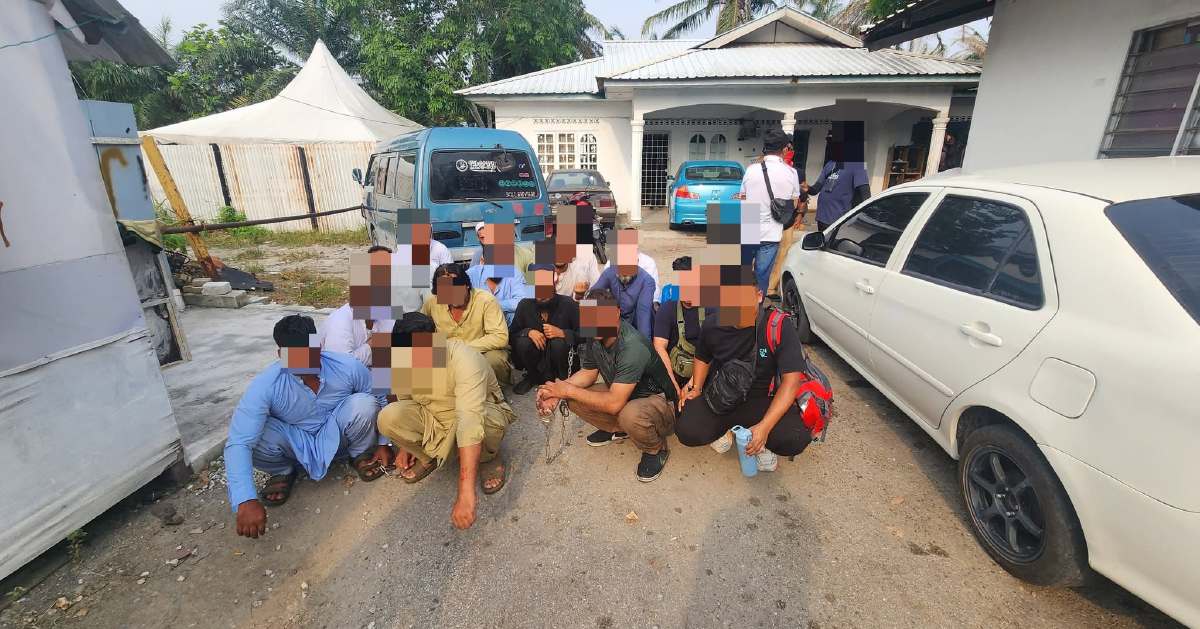
The Immigration Department has dismantled what authorities describe as a sophisticated criminal enterprise engaged in the systematic dismantling and illicit sale of vehicle components, with operations centred in the Klang industrial corridor. A coordinated raid conducted at premises along Jalan Kapar in the early morning hours culminated in the arrest of 20 individuals, including a Pakistani national identified as the primary architect of the scheme. The bust represents a significant enforcement victory against organised transnational crime affecting Malaysia's automotive industry and consumer market.
The syndicate's modus operandi, according to law enforcement officials, involved sourcing stolen and recovered vehicles before systematically disassembling them into component parts for resale through underground networks. This practice not only represents substantial financial losses to vehicle owners and insurers but also introduces safety risks when substandard or counterfeit components enter the legitimate spare parts supply chain. The operation's scale suggests coordination across multiple locations and distribution channels, with the Pakistani national allegedly overseeing procurement, logistics, and sales operations.
Forensic examination of the raided premises revealed evidence of industrial-scale dismantling infrastructure, including specialised tools, equipment bays, and inventory management systems suggestive of a well-organised enterprise rather than casual criminal activity. Investigators discovered components from multiple vehicle makes and models, indicating the syndicate operated across a broad market spectrum rather than targeting specific brands. The diversity of seized materials points to either multiple sourcing channels or partnerships with other criminal groups involved in vehicle theft and trafficking.
The involvement of foreign nationals as key operatives highlights an evolving pattern in Malaysian organised crime where international criminal networks establish localised operations to exploit regional economic opportunities and exploit gaps in cross-border enforcement. Pakistan has become a significant source jurisdiction for transnational organised crime figures operating in Southeast Asia, often bringing expertise and capital that enables them to coordinate large-scale illicit enterprises. The alleged leadership structure identified during this investigation suggests hierarchical organisation typical of sophisticated transnational syndicates rather than opportunistic criminal activity.
Clang's strategic location—positioned between Malaysia's capital and its major port facilities—has long made the district attractive for smuggling, industrial-scale theft operations, and the redistribution of stolen goods. The Jalan Kapar corridor specifically encompasses numerous light industrial zones where vehicle dismantling could be conducted with relative anonymity amid legitimate commercial activity. This geographical factor likely influenced the syndicate's choice of operational base, balancing proximity to vehicle supply sources with relative insulation from immediate public scrutiny.
The vehicle parts theft and resale market represents a persistent challenge throughout Southeast Asia, with stolen components channelled through legitimate and semi-legitimate retailers, repair shops, and online marketplaces where buyers cannot readily verify authenticity or legal provenance. Malaysian consumers purchasing aftermarket parts face genuine difficulty in distinguishing between legitimate spare components and those sourced through criminal channels. This market dysfunction creates sustained demand that incentivises organised theft operations, making enforcement a continuous rather than episodic requirement.
Law enforcement authorities have intensified focus on vehicle-related crimes following increased insurance industry complaints and consumer reports of automotive theft across Malaysia. The systematic targeting of dismantling operations addresses the downstream component of the stolen vehicle economy, but effective strategy requires simultaneous disruption of theft operations, transport logistics, and retail distribution channels. Investigations into this particular syndicate will likely yield intelligence about upstream theft networks and downstream buyer networks that sustained its operations.
The arrest of the alleged Pakistani mastermind raises questions about visa compliance and immigration status, suggesting potential failures in border security and foreign worker screening mechanisms. Organised crime figures operating locally typically maintain marginal or questionable legal status, exploiting administrative gaps and building networks within communities of fellow foreign nationals. Immigration enforcement coordination with criminal investigation agencies has become essential in disrupting transnational operations before they establish deep roots in Malaysian communities.
Regional implications extend beyond Malaysia's borders, as dismantling syndicates in one jurisdiction typically maintain commercial relationships with similar operations across Thailand, Indonesia, and Bangladesh, creating integrated criminal supply chains. A coordinated enforcement response across ASEAN would substantially increase operational risks for transnational organisers, though achieving such coordination requires advanced information sharing and mutual legal assistance mechanisms that remain inconsistently developed across the region.
The investigation's initial phase will focus on establishing the syndicate's full operational scope, identifying connected theft networks, tracing buyer networks, and uncovering financial flows. Prosecutors will examine evidence of vehicle title fraud, documentation falsification, and money laundering that typically accompany such enterprises. Cooperation with international law enforcement agencies, particularly Pakistani authorities, may yield additional insights into the suspect's background and previous criminal activities.
Beyond the immediate criminal prosecutions, this case underscores systemic vulnerabilities in Malaysia's vehicle registration, ownership transfer, and parts distribution systems that sophisticated criminals continue to exploit. Insurance companies and automotive industry bodies will likely intensify calls for enhanced supply chain verification standards and anti-theft technologies that make systematic dismantling operations less profitable. Consumer education campaigns highlighting risks of purchasing parts from unverified sources represent a complementary enforcement strategy with long-term market effects.

