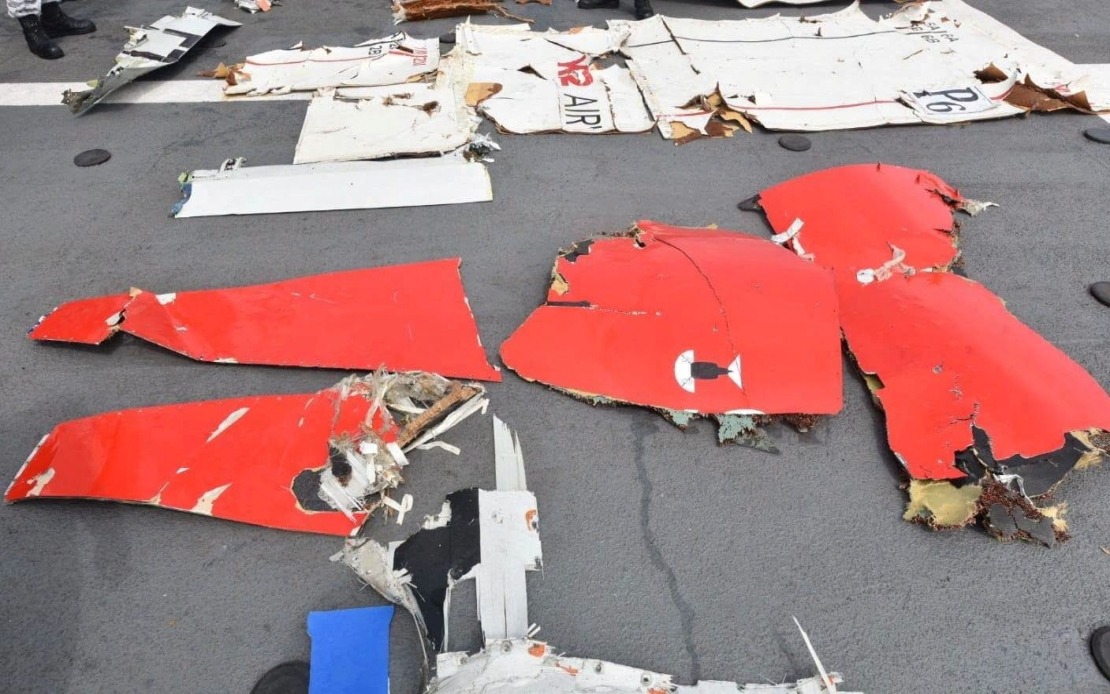
Pakistani naval forces have located fragments of a cargo aircraft operated by K2 Airways in the Arabian Sea near Amara, west of Karachi, following an intensive 12-hour search operation. The Pakistan Civil Aviation Authority confirmed the discovery through an official statement released Thursday, though the five crew members aboard the Boeing 737 have yet to be found. The recovery of debris marks a critical phase in what has become an increasingly difficult search and rescue mission hampered by severe maritime conditions.
Contact with the aircraft was lost late on Tuesday evening after the crew reported experiencing navigation difficulties while flying from Sharjah in the United Arab Emirates to the port city of Karachi. According to the aviation authority's account, the plane rapidly descended before vanishing entirely from air traffic control radar screens. The sudden loss of altitude and subsequent disappearance triggered immediate search efforts involving multiple naval vessels and coordination between Pakistani government agencies.
Monsoonal weather patterns sweeping across the Arabian Sea have substantially complicated ongoing recovery efforts. The authority specifically cited rough seas as a major impediment to locating survivors or additional wreckage. Such meteorological challenges are common during the monsoon season in the region and significantly reduce visibility and operational capacity for maritime search teams. The timing of the incident, occurring as seasonal weather systems intensify, has consequently narrowed the window for potential survivor recovery.
K2 Airways identified the missing crew through a Facebook statement, confirming their composition as two pilots, two flight engineers, and a loadmaster. The airline emphasized its full cooperation with the Pakistan Civil Aviation Authority and related government agencies, while expressing ongoing hopes for the crew's safety. The statement reflected the gravity of the situation while acknowledging the broader institutional response mobilized to address the emergency.
Prime Minister Shehbaz Sharif acknowledged the tragedy on Wednesday, expressing condolences to the families of the crew members affected by the incident. The prime ministerial response underscored the national significance of the accident and the government's recognition of the personal toll on those connected to the missing crew. Such statements typically precede formal accident investigation procedures conducted by Pakistani aviation authorities.
The Boeing 737 aircraft involved had an operational history spanning more than two decades. Manufactured in 1999 and initially configured as a passenger aircraft, the plane was subsequently converted for cargo transportation purposes—a common practice in commercial aviation that extends aircraft serviceable life. The vessel's conversion reflected the growing demand for freight capacity within regional supply chains.
K2 Airways itself represents Pakistan's private aviation sector, having commenced commercial operations in 2018. The airline's entry into the market reflected broader liberalization trends in Pakistani aviation and expanded cargo transportation services across South Asian routes. The incident represents a significant challenge for the relatively young operator during its growth phase.
For Southeast Asian readers, this incident carries particular relevance given the shared reliance on regional air corridors and maritime trade routes connecting the Indian Ocean region. The Arabian Sea disaster highlights persistent aviation safety challenges affecting cargo operations across South Asia, a region through which Malaysian companies conduct significant maritime and air freight activities. The investigation into this incident will likely influence safety protocols across the broader regional aviation network.
The search operation underway demonstrates the substantial resource commitment required for large-scale maritime rescue efforts. Pakistani naval capabilities, coordinated with civil aviation authorities, have mobilized to recover both survivors and evidence necessary for accident investigation. However, the challenging environmental conditions prevalent during monsoon season significantly constrain operational effectiveness.
As investigations develop, questions will inevitably emerge regarding the navigation problems reported by the crew and their relationship to the aircraft's subsequent loss of contact and altitude. Such technical failures in modern aircraft typically involve multiple contributing factors, and comprehensive accident investigation will examine aircraft systems, crew response procedures, maintenance records, and environmental conditions affecting flight operations.
The incident represents a sobering reminder of aviation risks inherent in cargo operations across South Asian airspace and waters. While commercial aviation maintains strong safety records globally, regional operations navigating complex weather systems, varied infrastructure standards, and maritime hazards face distinctive challenges. The recovery of the K2 Airways aircraft and crew remains the immediate priority for Pakistani authorities managing this unfolding maritime emergency.

