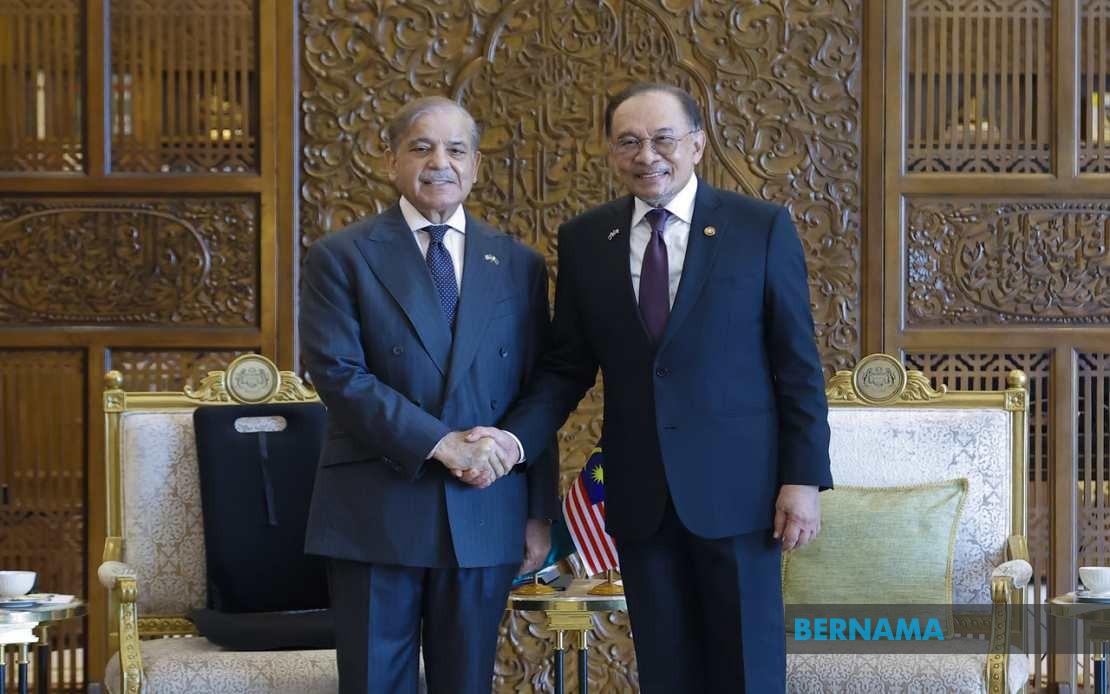
Pakistani Prime Minister Shehbaz Sharif has conveyed his good wishes to Malaysian Prime Minister Datuk Seri Anwar Ibrahim as the latter prepares to undergo medical procedures, underscoring the diplomatic warmth between the two South Asian and Southeast Asian neighbours. Through a message posted on social media platform X, Sharif extended his hopes for Anwar's swift recovery and return to full administrative responsibilities, reflecting the importance both nations place on maintaining stable leadership during times of health-related matters.
The Pakistani leader's gesture carried broader symbolic weight beyond routine courtesy between premiers. Sharif's public well-wishes, which invoked religious blessings and included assurances that the Pakistani people stood in solidarity with Anwar, demonstrated the depth of bilateral relations between Islamabad and Kuala Lumpur. Such expressions of support are particularly significant in South Asian and Southeast Asian diplomatic contexts, where personal rapport between heads of state often influences broader policy cooperation on regional and economic matters.
Anwar's office provided further details through his Senior Press Secretary Tunku Nashrul Abaidah, confirming that the prime minister was undergoing a comprehensive battery of medical examinations and procedures that had been specifically recommended by a team of medical specialists. The structured nature of these interventions, overseen by multiple medical professionals rather than representing an emergency situation, suggested the procedures were part of planned healthcare management. This measured approach to the prime minister's health appeared designed to maintain public confidence in governmental continuity and operational capacity.
The medical procedures were scheduled for completion on a single day, with Anwar expected to remain under medical observation for an additional two days following the interventions. This timeline indicates a manageable health situation that would not necessitate extended absences from his prime ministerial duties. The transparency regarding the duration of observation also served to reassure stakeholders—both domestic and international—that the government would experience no significant disruption to leadership during this period.
For Malaysian observers and regional analysts, the incident highlighted the importance of health-related contingency planning at the highest levels of government. Southeast Asian nations have witnessed leadership transitions prompted by health crises, making the careful management of such matters a governance priority. Anwar's public acknowledgment of the procedures through official channels rather than allowing speculation to proliferate represented a contemporary approach to prime ministerial health transparency.
The exchange between Sharif and Anwar also reflected Pakistan's strategic interest in maintaining strong ties with Malaysia, a key player in Southeast Asian affairs and a nation with significant Muslim-majority populations and influence within regional and Islamic international forums. Pakistan has long sought to strengthen partnerships across South and Southeast Asia as part of its broader diplomatic strategy, and expressions of support during challenging moments serve to reinforce personal bonds between leaders that can translate into policy cooperation.
Anwar's medical procedures arrived at a time when Malaysia continues to navigate complex domestic political dynamics and international economic challenges. A prime minister managing his health transparently while remaining engaged with governmental functions demonstrates institutional resilience and responsible leadership. The coordination between his medical team, press office, and international counterparts suggested well-established protocols for managing such sensitive matters without creating unnecessary public anxiety.
From a regional perspective, the incident underscored how health matters affecting major political figures quickly attain diplomatic dimensions. Pakistan's swift and public expression of support illustrated the interconnected nature of Southeast and South Asian leadership networks, where solidarity during health-related challenges becomes part of the fabric of international relations. Such gestures, though often routine, accumulate to build reservoirs of goodwill that can prove valuable during moments of policy negotiation or regional crisis.
The expected two-day observation period represented a relatively brief interruption to normal executive function, suggesting that delegation of routine matters would likely suffice to maintain governmental continuity. Malaysia's institutional frameworks have been tested and refined through previous leadership transitions, providing confidence that temporary absences of the prime minister can be managed without disrupting critical government operations or international commitments.

