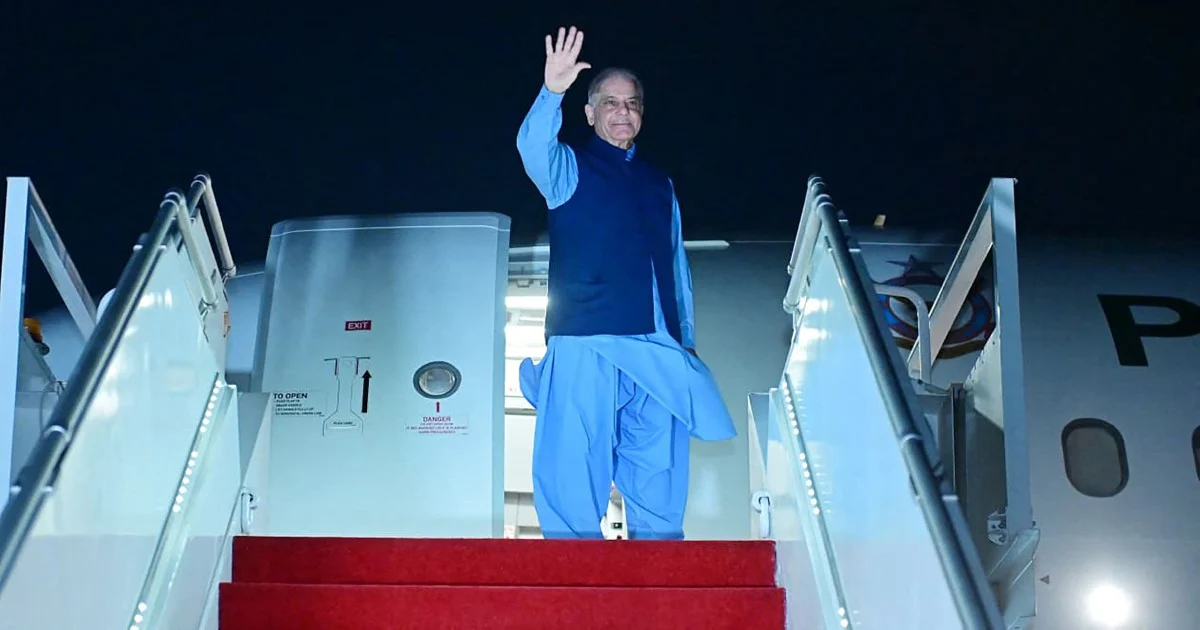
Pakistan's Prime Minister Shehbaz Sharif touched down in Switzerland on Sunday morning to take part in technical-level discussions between Washington and Tehran aimed at reducing tensions and halting the armed conflict destabilising the Middle East region. His participation underscores Islamabad's strategic interest in stabilising the volatile corridor that directly impacts Pakistan's security environment and economic interests across South and West Asia.
The Swiss venue represents neutral ground for sensitive diplomatic engagements, a tradition Switzerland has maintained throughout decades of international crises. By hosting these talks, Bern continues its role as a safe harbour for negotiations between adversaries, a position that has proven invaluable when direct talks between hostile parties become impossible. For Pakistan, Sharif's presence at these discussions reflects Islamabad's desire to position itself as a constructive voice in regional peace-building efforts, particularly given the country's historical ties with both the Iranian and American governments.
Pakistan's involvement in these technical-level negotiations carries particular significance for South Asia. Any major escalation between the United States and Iran reverberates through energy markets, refugee flows, and security dynamics across the broader region. With Pakistan already grappling with economic challenges, currency instability, and energy shortages, a Middle East conflict would impose additional burdens on Islamabad's fragile fiscal position and could destabilise supply chains critical to Pakistani industry.
The timing of Sharif's visit reflects Pakistan's pragmatic foreign policy approach under his current leadership. Despite historical tensions with the United States and strategic partnership with China, Islamabad has consistently attempted to maintain workable relationships with multiple global powers. Pakistan's participation in these technical talks—rather than mediation at a higher political level—suggests a careful calibration: Sharif can contribute technical expertise while avoiding the appearance of taking sides in a dispute that involves both nations with which Pakistan has significant interests.
Iranian relations remain particularly sensitive for Pakistan, which shares a 959-kilometre border with its western neighbour. Cross-border security concerns, including militant activity and the movement of contraband, have frequently tested bilateral ties. Yet Pakistan also maintains substantial economic and cultural connections with Iran, including a shared Islamic heritage and historical trade routes. These technical discussions offer Pakistan an opportunity to contribute toward de-escalation that could ultimately strengthen stability along its western frontier.
The American dimension of these talks carries equal weight in Islamabad's calculations. Pakistan's relationship with Washington has historically oscillated between partnership and tension, particularly regarding Afghanistan and American drone operations within Pakistani territory. Under civilian leadership, Pakistan has sought to stabilise ties with the United States while maintaining strategic autonomy. Technical-level talks represent a format where Pakistan can engage substantively without committing to broader political positions that might constrain future flexibility.
For Malaysia and other Southeast Asian nations, Pakistan's involvement in these discussions demonstrates how Middle East tensions have regional ramifications extending far beyond the immediate theatre. Malaysia, as a significant maritime trading nation dependent on stable Middle East energy supplies and clear shipping routes through the Strait of Hormuz, faces economic consequences if US-Iran hostilities intensify. Pakistan's participation in de-escalation efforts therefore indirectly serves Southeast Asian interests by contributing toward stability in energy corridors and international shipping lanes.
The technical-level nature of these talks is noteworthy. Rather than grand political gestures, both sides appear to be pursuing practical discussions addressing specific military, security, and compliance issues. This approach often proves more durable than high-level political agreements that can shift with changes in administration or electoral cycles. Pakistan's technical expertise in matters ranging from nuclear security to defence cooperation positions Islamabad as a potentially valuable contributor to discussions about verification and confidence-building measures.
Sharif's direct participation rather than sending a deputy emphasises the importance Pakistan attaches to these discussions. His presence signals Islamabad's commitment to regional stability and its desire to be recognised as a significant stakeholder in Middle East peace processes. For Pakistani domestic audiences, his involvement projects an image of leadership actively engaged in international affairs affecting national interests, a valuable political narrative during a period of economic adjustment and reform.
The broader context of these talks reflects how traditional regional rivalries continue to structure international diplomacy. Despite technological advancement and global interconnection, the fundamental role of face-to-face negotiations in settings chosen with care remains essential for addressing serious disagreements between major powers. Pakistan's participation adds another layer to these discussions, bringing South Asian perspectives and interests into conversations predominantly shaped by Middle Eastern, European, and American concerns.
Moving forward, the outcomes of these technical-level discussions will largely determine whether more substantial political negotiations become feasible. Successful technical talks can establish baselines for further engagement, clarify areas of disagreement, and identify potential compromise positions. Pakistan's role, while not central to the US-Iran relationship, can contribute toward creating the conditions for broader diplomatic success that would benefit regional stability across multiple continents.

