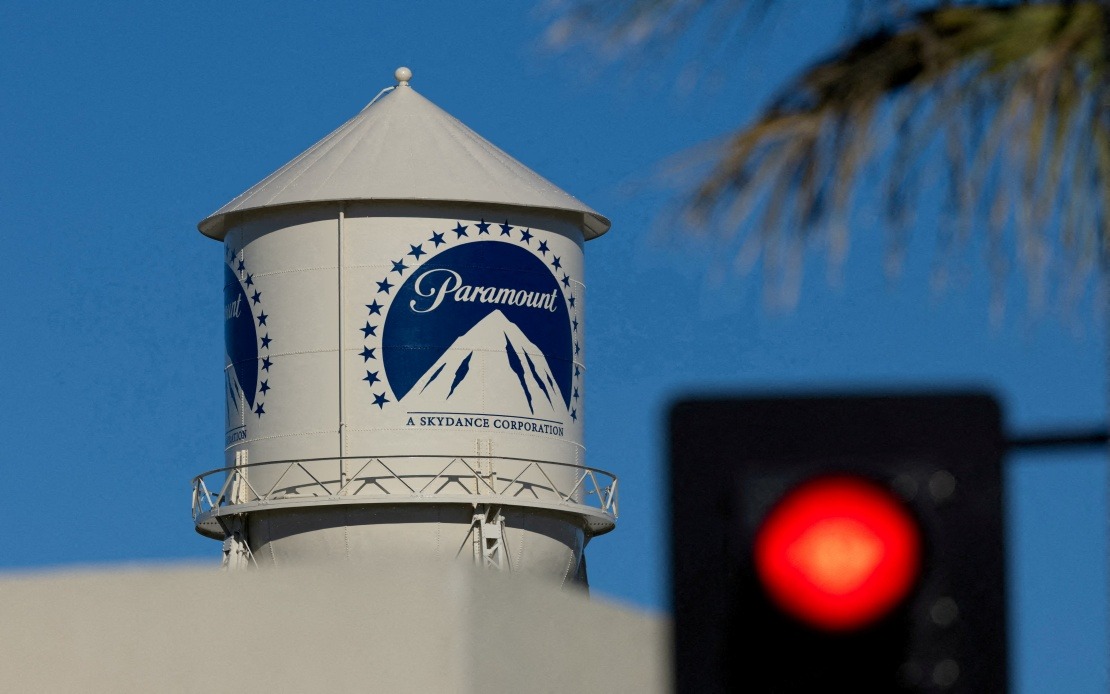
Paramount's ambitious bid to acquire Warner Bros Discovery has hit a significant roadblock, with the Hollywood conglomerate putting the colossal transaction on hold following an antitrust lawsuit brought by a coalition of 12 United States states. The pause, announced through court documents released on Friday, represents a critical juncture for one of the entertainment industry's largest proposed mergers in recent memory, valued at approximately US$111 billion.
The suspension will remain in effect until either a judicial ruling on the states' claims materialises or June 1, 2027 arrives, whichever comes sooner. This timeline creates considerable uncertainty for both companies and their stakeholders, as the merger faces scrutiny that extends well beyond standard regulatory approval processes. A federal judge has already imposed an interim suspension through mid-August to weigh the states' request for a preliminary injunction that would permanently block the deal, signalling that competition authorities view the proposed consolidation with substantial concern.
The coalition of states, including California, argues that merging these entertainment behemoths would fundamentally reshape the competitive landscape for motion picture distribution and production. The states contend that such consolidation would grant the combined entity excessive control over which films reach consumers, thereby pressuring cinema operators who depend on competitive sourcing of content. The judge overseeing the case acknowledged that the plaintiffs had presented sufficient evidence demonstrating that Paramount and Warner Bros would collectively command a dominant market position—a threshold that justified the preliminary suspension period for judicial consideration.
The antitrust challenge represents a dramatic reversal from earlier governmental approval processes. The US Justice Department had previously cleared the transaction without imposing any conditions, having concluded that the merger would neither diminish competition nor harm American consumers across television, streaming, or film production sectors. This divergence between federal executive approval and state-level legal opposition reflects deepening tensions over merger enforcement and reveals how multiple jurisdictions can reach opposing conclusions about identical competitive concerns.
Europe's regulatory stance falls between these American positions. The European Commission granted conditional approval for the takeover, requiring Paramount to accept specific remedial measures designed to mitigate potential anti-competitive effects. This approach mirrors the Commission's traditional framework of permitting large transactions while imposing behavioural or structural obligations intended to preserve market competition.
Paramount's corporate structure adds another dimension to this dispute. The company is substantially controlled by the Ellison family, whose patriarch Larry Ellison has established himself as a prominent technology entrepreneur and notable political supporter of President Donald Trump. This ownership connection intersects with the broader political landscape surrounding corporate consolidation and regulatory policy in the current administration.
The transaction's journey illustrates the complex manoeuvrings characteristic of major media acquisitions. Netflix had previously secured an initial agreement to purchase Warner Bros' streaming operations and studio business. However, Paramount subsequently outmaneuvered this arrangement by submitting a superior offer encompassing the entire Warner Bros Discovery portfolio, including substantial television assets such as the CNN news network. This aggressive bidding strategy escalated the deal's total value to its current US$111 billion magnitude, making it a genuinely transformative transaction for the entertainment sector.
For Malaysian and Southeast Asian media consumers and industry participants, this development carries tangible implications. Paramount's streaming services and entertainment content have established significant regional presence, competing with local platforms and international streaming rivals. A successful acquisition would further concentrate content production and distribution authority within a single Hollywood powerhouse, potentially affecting content availability, pricing, and diversity for regional consumers. The extended timeline until 2027 creates prolonged uncertainty that may influence Paramount's strategic investments across Asia-Pacific markets during this critical period.
The litigation also demonstrates how state-level antitrust enforcement has reasserted itself as a meaningful constraint on corporate consolidation. Unlike the Justice Department's streamlined approval approach, state attorneys general have mounted vigorous opposition, invoking traditional antitrust frameworks focused on market concentration and consumer welfare. This tension between federal and state enforcement reflects broader ideological disagreements about merger policy and the appropriate scope of regulatory scrutiny.
Industry observers note that the preliminary injunction hearing scheduled for mid-August represents a critical inflection point. Should the judge grant the states' request, the merger would face substantially elevated obstacles to completion, potentially rendering the transaction economically unviable if conditions imposed prove too onerous. Conversely, if the court declines to block the deal, Paramount and Warner Bros could pursue completion despite ongoing litigation, though the uncertainty would likely persist until final adjudication.
The broader competitive implications extend beyond these two corporations. The entertainment industry has experienced sustained consolidation over recent decades, concentrating market power among fewer, larger entities. This proposed transaction would accelerate that trend, combining two major production studios, multiple television networks, substantial streaming capabilities, and extensive content libraries under unified control. State attorneys general argue that such concentration threatens the creative diversity and competitive dynamism that have historically characterised American entertainment markets.
Looking forward, the June 2027 deadline creates a compressed window for judicial resolution of complex antitrust questions. Both parties have substantial financial incentives to resolve the matter, yet the states' serious legal contentions suggest the case may require extensive discovery and testimony. The outcome will likely establish important precedent for evaluating media and entertainment mergers under contemporary antitrust frameworks, influencing how regulators scrutinise comparable transactions across the technology, telecommunications, and content distribution sectors.

