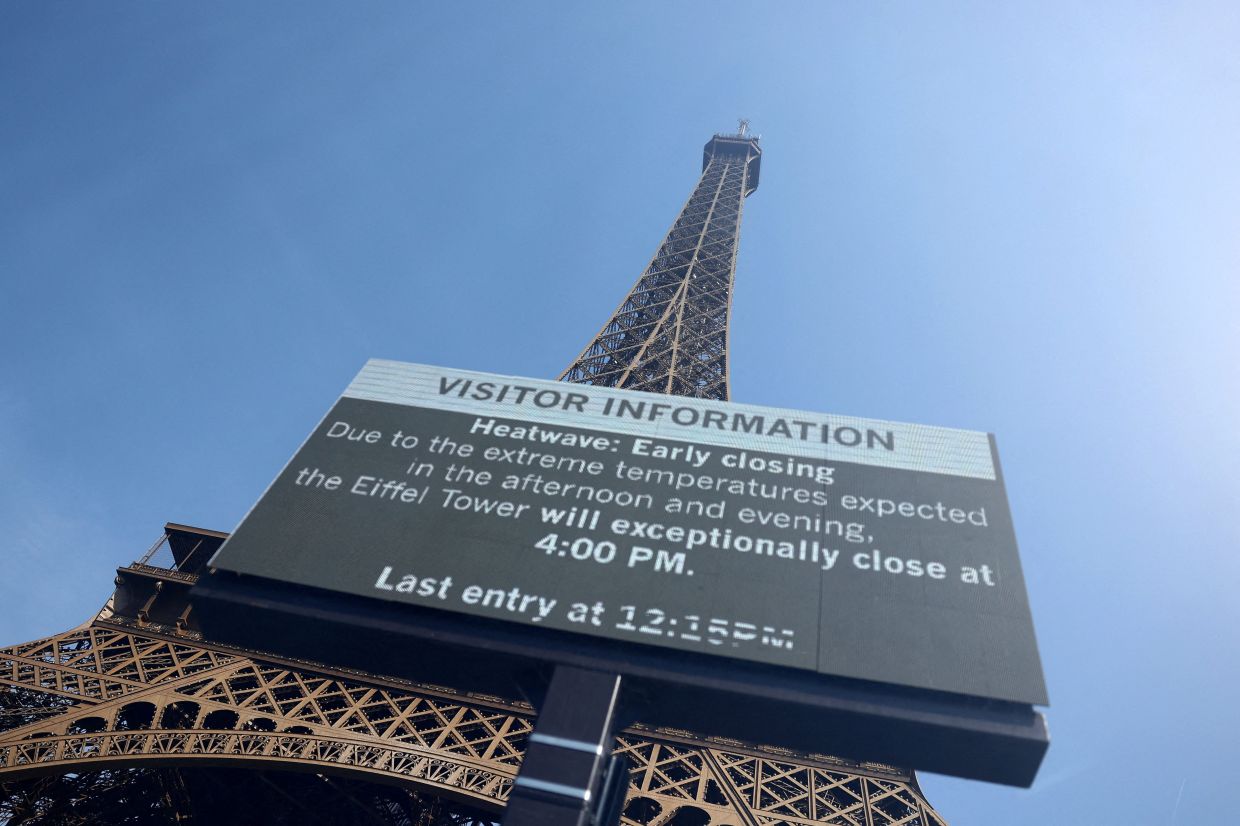
International visitors to Paris are experiencing one of the most frustrating summers in recent memory as an unprecedented heatwave grips France, forcing closures at the city's most celebrated attractions and upending carefully planned itineraries. The extreme temperatures, which saw France record its hottest day since official measurements began in 1947 on June 23, have transformed the City of Light into an inhospitable destination for sightseeing, with major museums and monuments either shuttering early or operating at reduced capacity.
The impacts are being felt acutely by tourists who have saved months or years to visit Paris. Maite Blazques, a 35-year-old nurse from Madrid, had been planning a holiday with her six-year-old son for months, anticipating visits to the historic Marais district and boat cruises along the Seine. Instead, she found herself completely reorganising her family's vacation, abandoning the iconic experiences that draw nearly eight million international visitors to Paris annually. The enforced changes underscore not merely an inconvenience but a fundamental disappointment that extends beyond the heat itself—the realisation that the Paris she came to experience has become temporarily inaccessible.
The Eiffel Tower, which typically welcomes seven million visitors yearly and remains open well past midnight during peak season, announced it would close exceptionally early at 4pm on June 23, with operators indicating that shortened hours would very likely become a recurring feature throughout the heatwave. American tourist Tamara Dancer saw her scheduled guided tour cancelled on Tuesday afternoon, leaving her with an empty day and unused tickets. The tower's management faced the difficult decision of prioritising visitor safety over operational schedules, a choice that speaks to the genuine danger posed by the extreme conditions.
Meanwhile, the Louvre, the world's most visited museum with approximately nine million annual visitors, also implemented measures to cope with the heat. Yet even this sanctuary proved inadequate. The museum's management released a stark statement acknowledging that the vast palace, constructed over centuries by successive French monarchs and presidents, was "not sufficiently adapted to climate change." This admission from one of Europe's most prestigious institutions carries significant implications for cultural heritage sites across the continent, suggesting that infrastructure designed for historical climate conditions may require fundamental reimagining.
The challenges facing the Louvre extend beyond temperature management. The museum has endured a difficult year marked by a brazen US$100 million jewellery theft, structural water leaks, and various maintenance issues that have compounded the strain of the current heatwave. These cascading problems illustrate how climate extremes interact with existing vulnerabilities in aging infrastructure, potentially threatening not only visitor experience but the preservation of irreplaceable artworks housed within.
Tourists adapting to the oppressive conditions have resorted to improvised cooling strategies. Armed with umbrellas, wide-brimmed hats, and portable fans, visitors attempt to navigate streets where the pavement radiates stored heat, creating microclimates of dangerous intensity. John Beeler, a 45-year-old American engineer, and his wife had anticipated leisurely exploration of Parisian streets and neighbourhoods. Instead, he described the experience as suffocating—in the streets, in the metro system, and even in their rental accommodation—necessitating an emergency move to an air-conditioned hotel to make the visit remotely bearable.
The heat has fundamentally altered how tourists experience the city. Drake Winners, a 66-year-old retiree from London, noted that Paris is traditionally discovered through walking, a practice rendered nearly impossible under current conditions. He pivoted to indoor alternatives, spending time in museums and churches where architectural design and thick stone walls provide natural cooling. This shift highlights how extreme weather can paradoxically concentrate visitor pressure on already-strained cultural institutions while simultaneously making the open-air experiences that define Paris largely unviable.
The broader implications extend beyond Paris itself. More than half of mainland France remains under the national weather service's highest alert level, triggering precautionary measures at tourism sites nationwide. Mont Saint-Michel, the spectacular island monastery in Normandy that ranks among France's most visited attractions outside the capital region, has issued explicit guidance asking visitors to postpone their trips during the red alert period. Such warnings represent an extraordinary intervention, demonstrating the severity of conditions when one of Europe's most resilient tourist destinations must actively discourage visitation.
For Southeast Asian readers and the tourism industry across the region, the Paris situation offers a cautionary glimpse into a possible future. As climate change intensifies heat events, major destinations from Bangkok to Bali to Kuala Lumpur could face similar pressures: iconic outdoor attractions becoming unsafe during peak months, cultural institutions struggling with cooling demands, and tourist seasons potentially shifting or contracting. The French experience suggests that adaptation requires not incremental improvements but comprehensive reimagining of how heritage sites and cities accommodate visitors under increasingly extreme conditions. Malaysian tourism authorities, and those across Asia, may need to begin developing contingency plans and infrastructure upgrades now to ensure major attractions remain accessible through intensifying heatwaves that are no longer exceptional but foreseeable consequences of climatic change.

