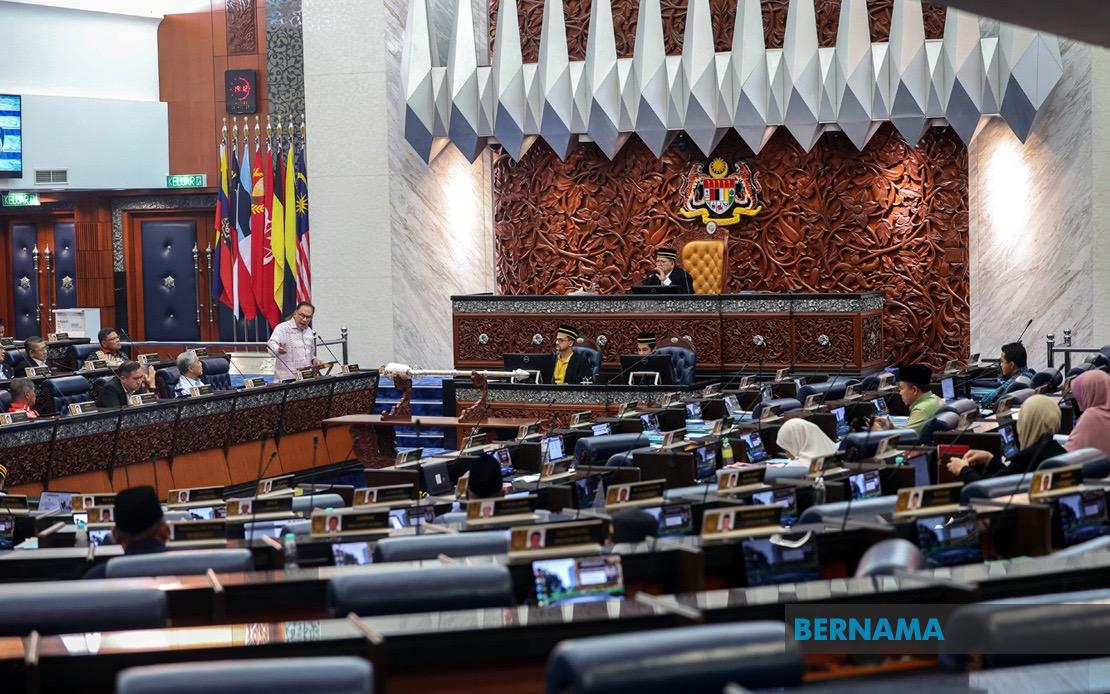
Parliament has witnessed cross-party consensus on the urgent need to strengthen Malaysia's defences against child sexual abuse, with lawmakers debating substantive improvements to the Sexual Offences Against Children (Amendment) Bill 2026 that would expand the nation's enforcement reach beyond its borders. The parliamentary session on June 29 revealed broad agreement on the necessity of legislative reform whilst uncovering significant gaps in current implementation mechanisms that allow perpetrators to evade justice by exploiting jurisdictional loopholes.
The amendment fundamentally addresses a critical vulnerability in Malaysian law: the inability to prosecute nationals who commit sexual offences against children while abroad. Abd Ghani Ahmad, the Jerlun representative from Perikatan Nasional, articulated the scale of the problem by highlighting how child sexual predators based overseas continue to target Malaysian victims with minimal fear of legal consequences. He advocated for Malaysia to activate its Mutual Legal Assistance mechanisms more aggressively and strengthen extradition frameworks, recognising that modern child sexual abuse frequently transcends borders through the exploitation of digital platforms.
The issue extends beyond legislative gaps to encompass coordination failures among enforcement agencies. Ahmad stressed the necessity for integrated action involving the Royal Malaysia Police, Immigration Department, Attorney-General's Chambers, Department of Social Welfare, hospitals, and schools. This fragmented approach has historically allowed critical evidence to be mishandled, investigations to stall due to jurisdictional disputes, and digital evidence to be compromised through improper preservation. Establishing clear protocols and regular inter-agency task forces could dramatically improve response times and prosecution success rates.
Datuk Seri Doris Sophia Brodi, representing Sri Aman for GPS, advanced the discussion by proposing a dedicated task force specifically addressing digital sexual crimes—a recognition that online grooming and virtual exploitation constitute the fastest-growing category of child abuse in Southeast Asia. Her emphasis on preventive education represents a crucial shift in Malaysian child protection discourse. By embedding digital safety curricula in schools and equipping parents to recognise grooming tactics, Malaysia could potentially prevent abuse before it occurs rather than solely reacting to completed crimes.
Victim support remains conspicuously underfunded in Malaysia's current framework, a deficiency highlighted by Datuk Mas Ermieyati Samsudin from Masjid Tanah. She proposed establishing a dedicated prosecution unit for child sexual offences, increasing the number of trained child psychologists in public facilities, and creating a specialised fund to cover psychological treatment, legal representation, and rehabilitation costs. This comprehensive victim-centred approach acknowledges that survivors require years of trauma therapy, that legal proceedings are financially burdensome for families, and that identity protection necessitates ongoing resources.
The establishment of a National Child Sexual Offender Registry emerged as another priority area, with Young Syefura Othman advocating for controlled-access database systems modelled on international best practices. Such registries allow schools, daycare centres, and welfare institutions to conduct background checks before hiring staff, substantially reducing opportunities for offenders to position themselves in child-adjacent roles. Malaysia currently lacks this safeguard, meaning convicted offenders can legally seek employment in environments providing direct access to vulnerable children.
The parliamentary debate also illuminated the necessity for mandatory background screening across all child-focused institutions—not merely schools but also tahfiz centres, religious institutions, sports clubs, and volunteer organisations. RSN Rayer, representing Jelutong for Pakatan Harapan, underscored that enforcement capacity must expand alongside jurisdictional reach. The investigative teams handling child sexual crime cases remain understaffed relative to case volumes, creating backlogs that undermine prosecutorial momentum.
The amendment to the Sexual Offences Against Children Act 2017 represents Malaysia's attempt to align with international norms regarding extraterritorial jurisdiction—a principle increasingly adopted across developed democracies to prevent countries with weaker enforcement from becoming havens for paedophiles. This legislative evolution reflects growing recognition that child sexual abuse is fundamentally transnational, facilitated by encrypted communications, virtual currencies, and jurisdictional shopping by offenders.
The 26 MPs participating in the debate demonstrated substantive engagement with child protection policy, moving beyond rhetorical support for victims to proposing actionable institutional reforms. Both government and opposition benches contributed ideas, suggesting that child safety enjoys rare cross-partisan priority in Malaysian politics. However, the critical phase now encompasses implementation—translating parliamentary proposals into departmental protocols, budget allocations, and operational changes.
For Malaysia and regional neighbours, this parliamentary moment signals growing political acknowledgment that child sexual abuse demands comprehensive, coordinated responses rather than piecemeal legislative amendments. The proposals advanced—cross-border cooperation, digital crime task forces, victim rehabilitation funds, and offender registries—reflect international evidence regarding effective child protection strategies. Success will depend on whether the government allocates sufficient resources to establish these mechanisms and whether agencies demonstrate genuine commitment to coordination rather than defaulting to institutional silos.
The debate's emphasis on preventive education and parental awareness also reflects evolving understanding that law enforcement alone cannot protect children. Digital safety literacy, early intervention in grooming situations, and community vigilance represent frontline defences. As the parliamentary session resumes to conclude deliberations, the legislation's ultimate impact will be measured not merely by its passage but by measurable improvements in investigation completion times, prosecution conviction rates, and victim support outcomes across Malaysia's states.

