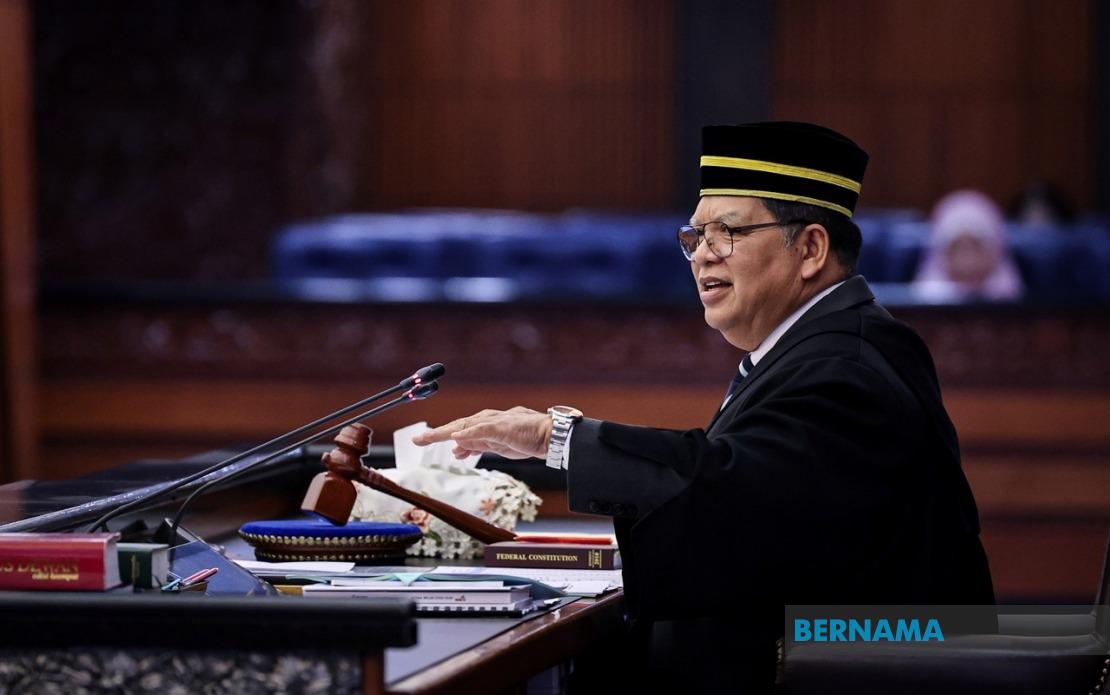
Malaysia's Parliament concluded its Second Meeting of the Fifth Term on July 16 after sitting continuously for 16 days, during which legislators approved 13 bills spanning critical areas of national governance and public protection. The sitting, which commenced on June 22, also featured several motions and a parliamentary debate on the 2024 Annual Report of the Human Rights Commission of Malaysia, underscoring the legislature's focus on accountability and rights protection during the session.
Dewan Rakyat Speaker Tan Sri Dr Johari Abdul highlighted the breadth of legislative work accomplished in his adjournment speech, noting that the passage of multiple bills reflected Parliament's commitment to updating Malaysia's legal framework to address contemporary challenges. The Speaker's remarks positioned the session as a productive period for advancing government policy across diverse sectors affecting citizens' daily lives and national security.
Among the most significant legislation enacted was the Cybercrimes Bill 2026, reflecting growing parliamentary attention to digital security threats in an increasingly online society. The Sexual Offences Against Children (Amendment) Bill 2026 also received approval, signalling Parliament's prioritisation of child welfare and protection mechanisms. These two bills are particularly significant for Malaysian families and civil society organisations focused on safeguarding vulnerable populations from exploitation and harm.
The Road Transport (Amendment) Bill 2026 represents continued legislative refinement of Malaysia's transport sector regulations, an area of ongoing concern for commuters and road safety advocates. Passage of the bill follows broader efforts to modernise traffic management and vehicle standards across Southeast Asia's increasingly congested urban centres. The approval indicates Parliament's recognition that transport legislation requires periodic updating to reflect changing usage patterns and technological advances in vehicle safety systems.
Competition-related bills also featured prominently in the session's outcomes. Parliament passed both the Competition (Amendment) Bill 2026 and the Competition Commission (Amendment) Bill 2026, suggesting legislative movement toward strengthening Malaysia's antitrust framework. These measures carry implications for consumer protection and market fairness across the region, as Malaysia's competition policies influence business practices throughout Southeast Asia.
Agricultural regulation also received parliamentary attention through the Control of Padi and Rice (Amendment) Bill 2026, underscoring the continued relevance of food security policy to the national agenda. The bill's passage reflects Parliament's engagement with agricultural modernisation and supply chain management at a time when regional rice production faces pressures from climate variability and changing consumption patterns.
The communications sector underwent significant legislative attention with the passage of the Communications and Multimedia (Amendment) Bill 2026 and the Malaysian Communications and Multimedia Commission (Amendment) Bill 2026. These bills shape the regulatory environment for Malaysia's digital economy and telecommunications industry, sectors crucial to economic competitiveness and digital inclusion across Southeast Asia.
Additional bills passed included the Witness Protection (Amendment) Bill 2026, which strengthens mechanisms for protecting individuals cooperating with law enforcement; the Social Work Profession Bill 2026, establishing professional standards in social work; the National Trust Fund Bill 2026; and the Statistics Bill 2026. Collectively, these measures demonstrate Parliament's wide-ranging engagement with administrative, social, and statistical frameworks governing national operations.
Beyond legislative work, the session accommodated three ministerial briefings and one briefing in the Special Chamber, alongside six presentations by Select Committee chairmen on committee reports. These parallel activities indicate Parliament's multi-faceted engagement with government accountability and policy oversight, extending beyond formal bill deliberation to include executive scrutiny and committee-level detailed policy examination.
Speaker Johari's reminder that all Members of Parliament complete health screenings before October 30 suggests parliamentary recognition of health risks associated with intensive campaign periods preceding potential elections. The directive reflects duty-of-care obligations to legislators who face demanding schedules during electoral cycles, a practical concern for parliamentary management in Malaysian politics.
The Speaker also announced that Parliament is hosting a programme open to legislators, parliamentary staff, Malaysian Youth Parliament participants, and members of the public, though details were not fully specified in the session's closing remarks. Such initiatives indicate Parliament's effort to enhance public engagement with legislative processes and deepen understanding of parliamentary procedures among younger citizens.
In concluding remarks, Speaker Johari acknowledged the cooperation of all Members of Parliament and commended government officials, parliamentary staff, and media representatives for their contributions to the session's management. This expression of appreciation highlights the collaborative framework necessary for Parliament's effective functioning, encompassing both legislative colleagues and supporting institutional structures.
The Dewan Rakyat stands adjourned to a date to be determined, leaving the next sitting's timing uncertain pending parliamentary scheduling decisions and potential electoral developments affecting the legislative calendar.

