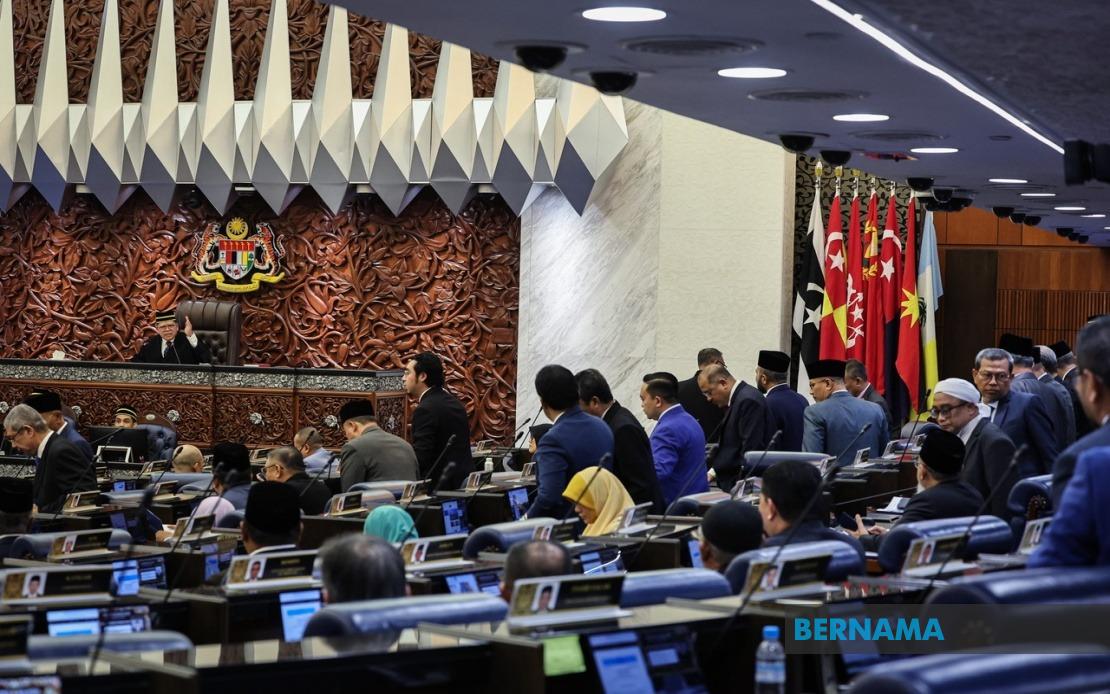
The Dewan Rakyat held a special sitting on August 11 to facilitate broad-based parliamentary scrutiny of the Royal Commission of Inquiry report into Lembaga Tabung Haji, following a formal request from Prime Minister Datuk Seri Anwar Ibrahim. Speaker Tan Sri Johari Abdul authorised the sitting under Standing Order 11(3) of the Dewan Rakyat's procedural rules, emphasising that the chamber was providing legislators from all political persuasions with adequate time and platform to examine the RCI's principal conclusions and recommendations.
The establishment of a dedicated parliamentary sitting underscores the significance attached to the Tabung Haji inquiry outcomes, which have drawn considerable public attention given the pilgrim fund's prominence in Malaysian financial stewardship and its role managing billions in assets accumulated from Muslim Malaysians preparing for the Hajj pilgrimage. The RCI was commissioned to investigate governance lapses, investment decisions, and management practices at the institution, matters that directly affect millions of contributors and their families.
Speaker Johari's decision to accommodate Prime Minister Anwar's procedural request reflects the parliamentary convention whereby executive leadership can mobilise legislative time for matters deemed pressing to the national interest. By invoking the standing order, the government signalled that the TH situation warranted extraordinary attention beyond routine parliamentary business, permitting extended debate rather than confining discussion to standard question-time allocations. This approach allows substantive interrogation of findings by elected representatives charged with holding ministers accountable.
The timing of this special sitting carries broader implications for institutional accountability in Malaysia. The RCI process itself represents a significant investigative mechanism for examining the conduct of major national institutions, and parliament's willingness to dedicate floor time validates the inquiry's importance whilst demonstrating commitment to transparent governance. For Malaysian citizens and contributors to Tabung Haji, parliamentary debate offers reassurance that their concerns are being taken seriously at the highest legislative level.
The Speaker's remarks emphasised that debate would focus on substantive findings rather than procedural technicalities, with both government and opposition legislators expected to raise pertinent questions about the RCI's conclusions. This cross-party engagement is fundamental to parliament's oversight function, ensuring that scrutiny remains non-partisan and centred on governance standards rather than political point-scoring. The provision of "ample opportunity" suggests no artificial constraints would be imposed on speaking time or the range of matters MPs could address.
Contextualising this development within Malaysia's broader governance landscape, special parliamentary sittings on inquiry reports signal institutional maturity and the separation of investigative and legislative functions. By establishing an RCI and subsequently permitting parliamentary debate, the government demonstrates a multi-layered approach to accountability. The RCI itself conducts forensic examination with investigative powers, whilst parliament subsequently provides a public forum where legislators can debate findings, question ministers, and ultimately recommend remedial action.
The Tabung Haji situation carries particular sensitivity given the fund's cultural and religious significance. As the institution managing savings for Muslims undertaking one of Islam's five pillars, Tabung Haji commands trust built over decades. Any governance shortcomings therefore extend beyond technical financial matters to touch on institutional legitimacy and public confidence. Parliamentary debate allows legislators to articulate the RCI's findings in constituents' terms and signal that systemic problems will be rectified.
For opposition MPs, the special sitting provides a structured opportunity to examine government oversight of the institution during previous administrations and scrutinise current management responses to RCI recommendations. Government backbenchers, meanwhile, can contribute perspectives on implementation challenges and timelines for remedial measures. This dual engagement strengthens the legislative process by incorporating diverse viewpoints into the public record.
The procedural framework underpinning this sitting demonstrates parliament's functional capacity to respond nimbly to matters requiring urgent legislative attention. Standing Order 11(3) exists precisely to permit such flexibility, allowing the Speaker discretionary authority to convene sittings beyond the regular calendar. The Speaker's compliance with the Prime Minister's request, coupled with his explanation grounded in procedural rules and public interest, exemplifies how executive initiative and legislative independence can operate compatibly within constitutional frameworks.
Ministerial briefings accompanying the parliamentary debate will presumably address the RCI's recommendations and government commitments to implementing remedial measures. This sequencing—inquiry, legislative debate, ministerial response—creates accountability checkpoints whilst affording time for measured policy formulation. Rushed implementation of complex governance reforms risks creating new problems, whereas phased approaches permit stakeholder consultation and capacity-building within affected institutions.
Looking forward, the parliamentary debate will likely generate media coverage and public discussion extending beyond the chamber itself. Malaysian citizens, particularly Tabung Haji contributors and their families, will monitor whether legislative scrutiny translates into tangible institutional improvements. The clarity with which MPs articulate concerns and ministers respond will shape public perception of whether governance reform is genuinely prioritised.
The special sitting also serves precedential value, signalling that parliament remains a substantive forum for examining consequential institutional matters rather than a ceremonial body confined to rubber-stamping executive decisions. For Malaysia's democratic institutions, this demonstration of parliamentary vitality reassures citizens that mechanisms exist for public scrutiny of large organisations affecting national welfare. Whether parliamentary debate catalyses meaningful reform will ultimately determine whether this sitting represents genuine accountability or merely procedural theatre.

