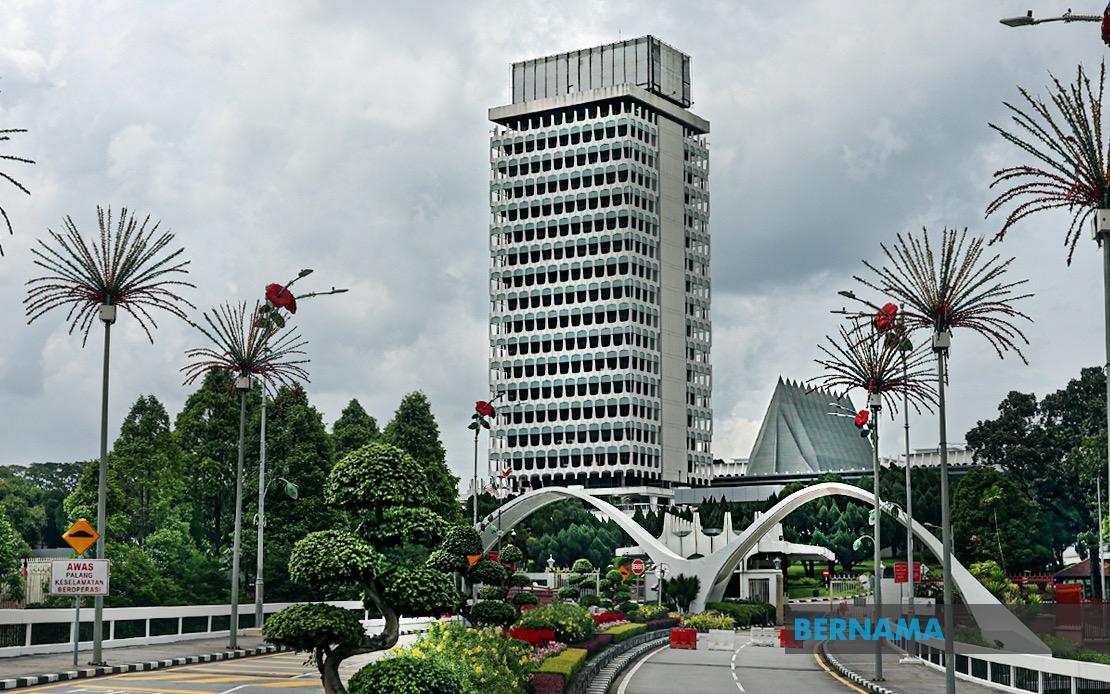
Malaysia's Parliament opens its deliberations today with lawmakers primed to examine several issues that carry substantial implications for the nation's economic resilience and social welfare systems. The 16-day sitting, scheduled to conclude on July 16, reflects mounting concern among legislators about vulnerabilities in Malaysia's supply chains, emerging digital threats, and the knock-on effects of regional instability. These discussions arrive at a moment when the global trading system faces multiple pressure points, and policymakers must articulate coherent strategies to protect domestic interests.
Among the most pressing economic matters slated for examination is the potential impact of disruptions affecting the Strait of Hormuz on Malaysian industries and consumer prices. Datuk Dr Richard Rapu @ Aman anak Begri, representing the GPS-Betong constituency, will press the Economy Minister for an up-to-date assessment of how trade interruptions through this critical waterway might ripple through local manufacturing and service sectors. The line of inquiry directly addresses operating cost pressures and their relationship to the second-quarter inflation trajectory for 2026, signalling Parliament's awareness that chokepoint vulnerabilities in global logistics networks carry immediate domestic consequences. Through the 13th Malaysia Plan, the government has crafted various contingency approaches designed to maintain GDP growth targets even in scenarios where the world economy faces prolonged contraction, yet Parliament appears unconvinced about the robustness of these safeguards and seeks reassurance from the executive.
The Strait of Hormuz question resonates particularly strongly within the Malaysian business context. As a trading nation dependent on maritime commerce and energy imports, Malaysia remains highly exposed to any sustained disruption passing through this strategic waterway, which handles a substantial share of global crude oil shipments. A prolonged crisis affecting transit through the Strait would immediately increase input costs for energy-intensive industries, from petrochemicals to cement manufacturing, while simultaneously pressuring the import bills for petroleum products. Inflation would likely accelerate beyond current projections, eroding household purchasing power and complicating monetary policy management. The parliamentary inquiry reflects anxiety that contingency arrangements articulated within the 13MP may prove insufficient should regional tensions escalate, warranting a more candid discussion of economic vulnerabilities and mitigation strategies.
In a shift toward the social welfare dimension, Onn Abu Bakar from the Pakatan Harapan coalition representing Batu Pahat will direct questions toward the Prime Minister regarding enhancements to the hajj pilgrimage management framework ahead of the 2027 season. His focus encompasses three interconnected challenges: the cost burden imposed on pilgrims, the extensive waiting periods that have historically delayed many Malaysian applicants, and the adequacy of health and welfare protections throughout the pilgrimage experience. This line of questioning underscores persistent complaints from the Muslim community about accessibility and dignity in managing what remains a core religious obligation. With Malaysia's ageing Muslim population and mounting aspirations among the faithful to fulfil the Fifth Pillar of Islam, the hajj administration has emerged as a litmus test of government competence and compassion, particularly among constituencies where pilgrimage waiting lists extend across many years.
The government's hajj management system requires substantive modernisation to address congestion, reduce administrative inefficiencies, and provide genuine support for vulnerable elderly and lower-income pilgrims. Parliamentary attention to this matter signals recognition that the pilgrimage experience carries both spiritual and socioeconomic dimensions deserving of serious policy attention. Cost reductions, expedited processing, and enhanced healthcare provision during the journey would directly improve outcomes for tens of thousands of Malaysian Muslims annually and reinforce public confidence in institutional competence.
Digital governance emerges as another critical area for parliamentary scrutiny, particularly regarding artificial intelligence regulation. Wong Shu Qi, the Kluang MP representing Pakatan Harapan, will interrogate the Digital Minister on whether the forthcoming AI Governance Bill adequately addresses malicious applications including deepfake creation involving child sexual abuse material, identity fraud through synthetic media, and non-consensual distribution of explicit content. These concerns reflect growing awareness that artificial intelligence tools, while offering productivity benefits, simultaneously enable novel forms of harm that conventional criminal law frameworks struggle to address. The parliamentary question indicates that legislators recognise the governance gap and seek explicit statutory provisions criminalising AI-enabled exploitation and fraud.
This inquiry carries particular relevance for Malaysia and the broader Southeast Asian region, where rapid technology adoption often outpaces regulatory frameworks. Deepfakes and synthetic media present especially grave risks to women, children, and public figures, yet many nations lack specific legislative tools to prosecute such abuse. The AI Governance Bill represents an opportunity for Malaysia to establish regional leadership in responsible AI regulation, combining innovation promotion with robust safeguards against predictable harms. Parliamentary engagement suggests commitment to ensuring that legislative architecture keeps pace with technological evolution.
Food security has likewise attracted parliamentary attention amid perceptions that regional instability, particularly involving Middle East actors, threatens Malaysia's agricultural supply chains and commodity costs. Datuk Dr Radzi Jidin from Perikatan Nasional representing Putrajaya will seek detailed information from the Agriculture and Food Security Minister regarding intervention strategies spanning immediate, medium-term, and extended horizons. These measures address the knock-on effects of regional conflict on Malaysia's capacity to procure essential foodstuffs and maintain price stability for consumers. Given that Malaysia relies substantially on imported grains, oils, and other agricultural commodities from regions affected by Middle Eastern tensions, this line of inquiry reflects legitimate apprehension about food price inflation and supply reliability.
Parliament's agenda further encompasses legislative proposals with substantial implications for digital commerce and transportation. The Cybercrime Bill 2026 will undergo tabling, signalling intent to strengthen the statutory foundation for prosecuting cybercrimes in an environment where such offences proliferate. Concurrently, the Road Transport Act (Amendment) Bill 1987 advances, potentially introducing modernisations to road safety frameworks and vehicle regulation. These legislative initiatives, though less visible than the economic and social questions, shape the regulatory environment within which businesses and citizens operate.
The comprehensive range of issues Parliament addresses this sitting reflects a legislature grappling with interconnected challenges: external economic shocks, domestic social expectations, technological disruption, and resource constraints. Malaysian lawmakers appear attuned to vulnerabilities in supply chain resilience, gaps in digital governance, and the urgency of delivering tangible improvements in public administration affecting ordinary citizens. The 16-day session provides an extended window for deliberation, yet the substantive issues at hand demand not merely questioning but commitments to concrete policy reform and budgetary allocation. Success will be measured by the government's willingness to acknowledge vulnerabilities candidly and articulate credible pathways toward greater economic security and regulatory clarity.

