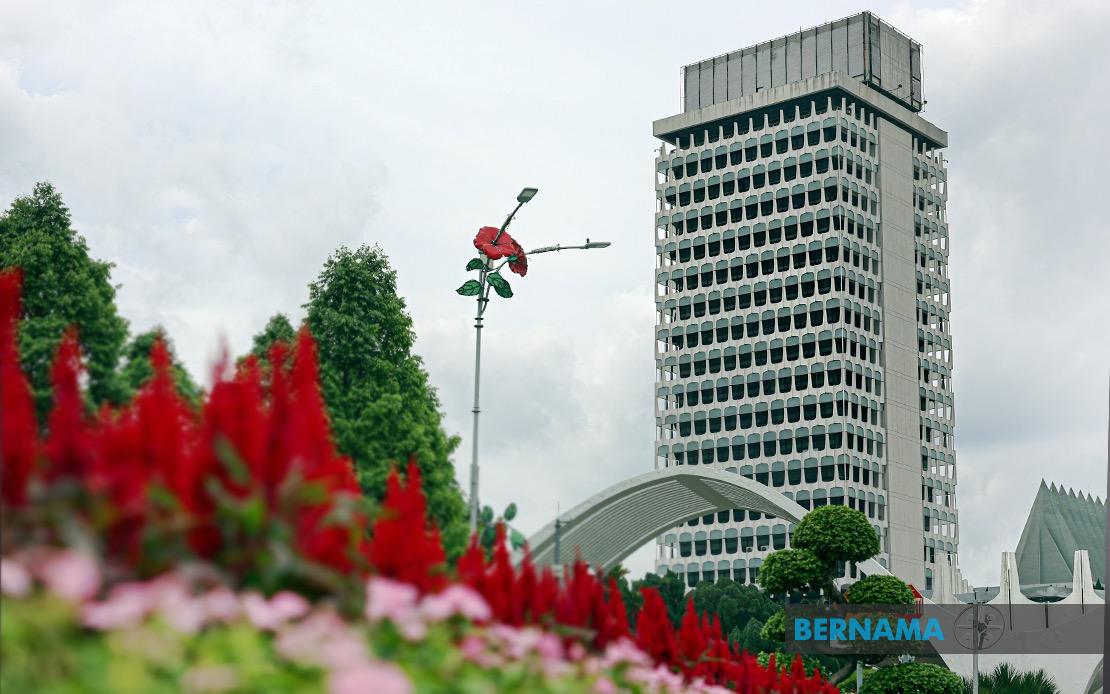
Malaysia's parliament turned its attention to mounting pressures on digital infrastructure and public finances on Tuesday, with multiple lawmakers raising concerns about service reliability and the mounting fiscal costs of geopolitical turbulence. The legislative agenda reflected growing anxiety among elected representatives about two interconnected challenges facing the nation: the persistent failure of mobile networks to deliver adequate internet connectivity and the ballooning expenses associated with fuel price stabilisation amid instability in the Middle East.
The most pressing technical issue concerns a paradoxical problem that frustrates ordinary Malaysians daily—mobile devices displaying full signal bars while internet access remains completely unavailable. Datuk Anyi Ngau, representing Baram under the GPS banner, pressed the Communications Minister to outline the Malaysian Communications and Multimedia Commission's strategic roadmap for resolving this pervasive connectivity gap. The question underscores a fundamental disconnect between signal strength indicators and actual data transmission capability, a distinction that has eluded straightforward explanation from service providers and regulators alike. This recurring phenomenon suggests either network congestion at critical infrastructure points, backend routing failures, or inadequate capacity provisioning during peak usage periods—all of which raise questions about whether Malaysia's telecommunications infrastructure can support its growing digital economy ambitions.
The second major focus of parliamentary scrutiny centred on the government's fiscal vulnerability to external shocks. Mohd Syahir Che Sulaiman from Perikatan Nasional raised pointed questions about how the ongoing conflict in West Asia has revised ministerial assessments of fuel subsidy expenditure and whether escalating costs threaten to derail this year's deficit reduction targets. This concern reflects a real constraint on Malaysian policy flexibility. When global oil prices spike due to geopolitical disruption, the government's commitment to capping domestic fuel prices creates a widening gap between global market rates and subsidised pump prices. This mechanism, while protecting consumer purchasing power, creates a direct drain on the federal treasury that competes with spending on education, healthcare, and infrastructure development.
The linkage between Middle East tensions and Malaysian fuel subsidies illustrates the nation's fundamental economic vulnerability. Malaysia remains a net petroleum importer despite being an oil-producing nation, meaning that Middle Eastern supply shocks directly translate into higher acquisition costs. When the government maintains fixed ceiling prices through subsidisation, it absorbs the difference between global procurement costs and domestic retail prices. A prolonged period of elevated regional tensions—whether from armed conflict, sanctions regimes, or supply disruptions—directly threatens fiscal sustainability and forces difficult choices about spending priorities elsewhere in the budget.
Parliamentary attention also extended to financial inclusion for economically marginal groups. Jamaludin Yahya from Pasir Salak inquired about mechanisms to support self-employed individuals, small traders, street food vendors, and gig economy workers seeking home financing despite lacking conventional salary documentation. This question reflects the reality that millions of Malaysians operate outside formal employment frameworks, yet remain excluded from conventional lending pathways that require payslips and employer verification. The government's response to this question will signal whether policy makers recognise the need to develop alternative credit assessment methodologies that account for variable income streams and self-directed business models.
Gender and social policy also featured in the day's legislative business. Yeo Bee Yin, representing Puchong under Pakatan Harapan, sought government assurances about establishing comprehensive regulatory frameworks and legislation governing confinement centres—facilities that provide postpartum care and recovery services. Her question highlights ongoing concerns about the adequacy of existing oversight mechanisms and whether current regulations sufficiently protect women during vulnerable recovery periods. The absence of robust national standards creates variable quality and potential safety risks across different facilities, a gap that warrants legislative attention.
Beyond the individual questions, parliament prepared to advance two substantial pieces of telecommunications legislation. The Communications and Multimedia (Amendment) Bill 2026 and the Malaysian Communications and Multimedia Commission (Amendment) Bill 2026 both progressed to their second reading following initial tabling the previous Monday. These bills carry significance for Malaysia's regulatory framework governing communications services and the institutional capacity of the MCMC to address contemporary challenges. Given the parliamentary focus on internet reliability, these amendments likely incorporate provisions designed to strengthen oversight, enforcement, and service quality standards within the telecommunications sector.
The timing of this parliamentary sitting, scheduled to extend through July 26, allows for sustained legislative scrutiny across multiple policy domains. The convergence of questions about digital infrastructure reliability, fiscal pressures from external shocks, financial inclusion mechanisms, and social policy protection reflects the complex array of challenges facing contemporary Malaysia. No single reform addresses all these concerns, yet each possesses urgency in its own right. The internet connectivity problem directly affects business competitiveness and government service delivery. Fuel subsidy pressures constrain fiscal flexibility for development spending. Financial inclusion gaps perpetuate wealth inequality. Social policy gaps leave vulnerable populations inadequately protected.
For Southeast Asia more broadly, Malaysia's parliamentary focus on these issues signals trends likely resonating across the region. Internet infrastructure reliability remains a competitive disadvantage affecting entire economies. Energy price volatility and subsidy mechanisms preoccupy governments throughout Southeast Asia with varying resource endowments. Financial inclusion for informal economy workers represents a pan-regional challenge in economies where formal employment covers only a fraction of the working population. The parliamentary record from this sitting will therefore offer insights into how an upper-middle-income nation navigates these overlapping pressures, potentially providing instructive examples—positive or cautionary—for other regional governments wrestling with similar dilemmas.

