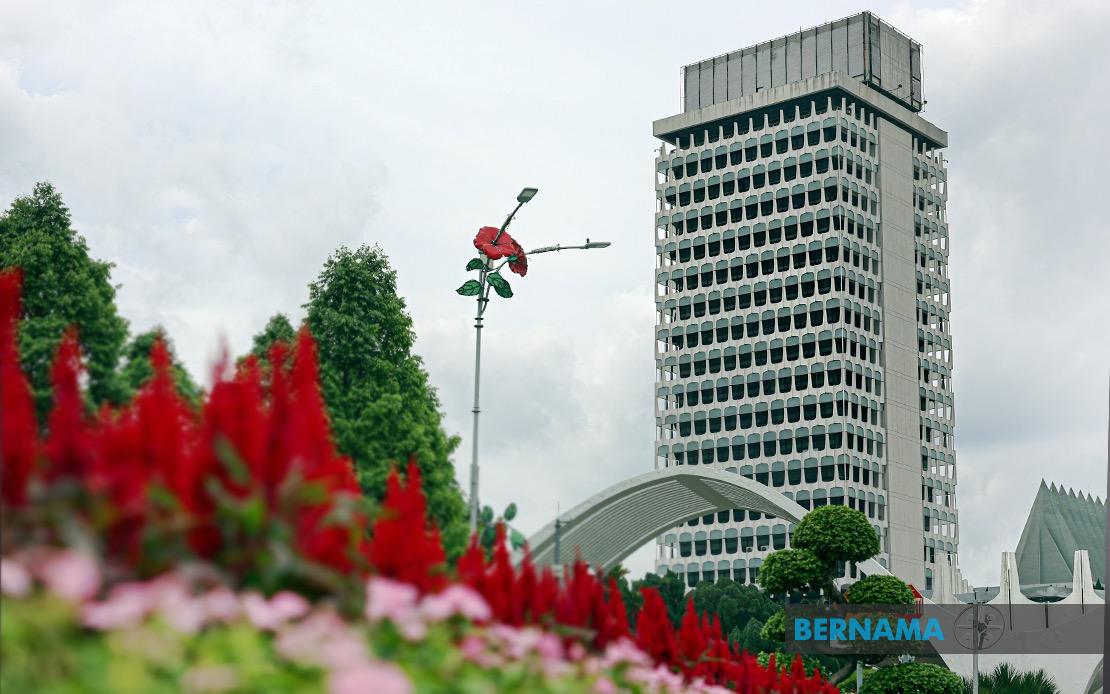
Parliament today takes centre stage as the Dewan Rakyat examines three critical national concerns: the approaching El Niño phenomenon and its threat to Malaysia's food supply, an urgent investigation into a hand grenade explosion during a Malaysian Armed Forces training exercise, and the growing prevalence of non-communicable diseases among younger Malaysians. The sitting marks the final day of the Second Meeting of the Fifth Session of the 15th Parliament, which has spanned 16 days of legislative deliberations.
The El Niño question carries particular significance for Malaysia's agricultural heartland. Bakti Jamaluddin from Tangga Batu will press the Agriculture and Food Security Minister on concrete preparatory measures the government has implemented or plans to execute as the weather phenomenon approaches. Beyond general readiness, the backbencher seeks clarification on how authorities intend to manage irrigation water supplies—a critical vulnerability for paddy cultivation across the peninsula and Sabah. The inquiry extends to broader food production concerns, including livestock sector resilience and the strategic mechanisms through which Malaysia will maintain adequate national food stocks during a potentially disrupted growing season.
El Niño's regional impact cannot be understated. The phenomenon has previously triggered severe droughts across Southeast Asia, constraining agricultural yields and forcing governments to rely heavily on imports to meet domestic demand. For Malaysia, where rice and vegetable production faces moisture stress during such periods, the timing of preparations proves essential. The monsoon patterns that typically sustain the nation's farming cycles stand at risk, potentially affecting household food prices and the livelihoods of rural communities already grappling with climate volatility.
Another pressing matter concerns military training protocols following a recent hand grenade detonation during a Malaysian Armed Forces exercise. Datuk Mohd Isam Mohd Isa will interrogate the Defence Minister on the incident's root causes and the immediate corrective measures being implemented. The focus will centre on strengthening standard operating procedures for training safety, reflecting broader institutional concerns about risk management in military operations. Such incidents carry profound implications for personnel welfare and public confidence in the armed forces' operational competence.
The grenade explosion represents more than an isolated accident; it signals potential systemic gaps in how the military conducts live-fire and explosive ordnance training. Malaysia's defence establishment faces mounting scrutiny over training protocols, and parliamentary oversight becomes instrumental in ensuring accountability and driving procedural improvements. The Defence Ministry's response will likely shape future parliamentary discussions on defence budgeting and military modernisation, as safety standards directly influence both recruitment and operational effectiveness.
Governance reforms affecting Malaysia's capital city will also feature prominently. Tan Kok Wai from Cheras will ask the Prime Minister to elaborate on administrative and governance restructuring at Kuala Lumpur City Hall following a feasibility study into the Federal Capital Act 1960. These reforms touch on administration, governance integrity, and service delivery—domains affecting millions of residents in the nation's commercial and administrative core. The inquiry reflects ongoing concerns about municipal efficiency and accountability in delivering urban services to one of Southeast Asia's major metropolitan centres.
Religious extremism presents another governance challenge. Sabri Aziz will question the government on obstacles encountered in combating deviant religious teachings and the intervention strategies deployed to strengthen Islamic faith among those who have drifted toward heterodox interpretations. This concern spans national security, social cohesion, and religious affairs, addressing a long-standing anxiety about ideological radicalisation within Malaysian society. The response will illuminate current deradicalisation efforts and resource allocation to counter-narrative programmes.
Health outcomes among Malaysian youth will command attention when Datuk Dr Richard Rapu requests the latest epidemiological data on non-communicable diseases between 2024 and 2026. His particular focus on diabetes and hypertension among those under 30 reflects an alarming epidemiological trend: metabolic diseases historically associated with older populations are now appearing with increasing frequency in younger demographics. The question implicitly challenges the effectiveness of public health campaigns, specifically the War on Sugar initiative and sugar tax enforcement mechanisms introduced to combat obesity and its downstream health consequences.
The rising prevalence of lifestyle diseases in younger Malaysians carries significant economic implications. Premature morbidity and mortality reduce workforce productivity, inflate healthcare expenditure, and burden the public system already stretched by competing demands. The interrogation of the War on Sugar campaign's effectiveness becomes a proxy for broader assessment of whether Malaysia's public health strategy adequately addresses the social determinants of disease, including food environment design, urban planning, and health literacy.
The parliamentary agenda reveals governance priorities extending across agriculture, defence, urban administration, religious affairs, and public health. Each issue represents a domain where parliamentary scrutiny drives ministerial accountability and shapes policy direction. The convergence of these diverse topics on a single sitting day underscores Parliament's role as the nation's primary forum for holding government to account on matters spanning Malaysia's security, prosperity, and social wellbeing.
Tabling of the National Trust Fund Bill 2026 for second reading by the Finance Minister adds a legislative dimension to today's proceedings, signalling the government's continued legislative agenda even as the current parliamentary session concludes. This final sitting encapsulates the breadth of contemporary governance challenges facing Malaysia, from climate adaptation and military readiness to urban management and public health, all demanding parliamentary scrutiny and governmental responsiveness.

