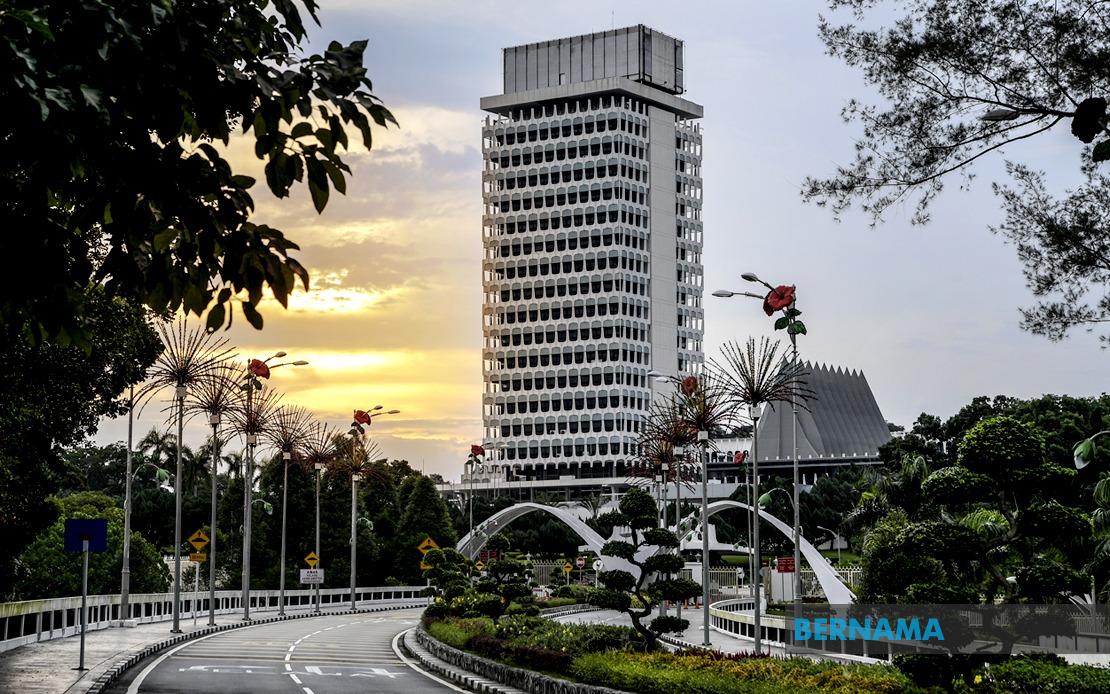
The Dewan Rakyat will grapple with mounting concerns over consumer protection in the insurance sector and retirement security when lawmakers convene for what promises to be a substantive day of parliamentary business. The deliberations reflect growing anxiety across Malaysia about whether ordinary citizens possess adequate financial safeguards during health crises and sufficient savings for their later years, issues that resonate deeply with an ageing population and an increasingly burdened workforce facing mounting living expenses.
Tan Kok Wai, representing the Cheras constituency under the Pakatan Harapan banner, will press the Finance Minister to clarify what concrete measures the government has implemented to tighten insurance regulations. His questions zero in on a persistent grievance: policyholders, particularly those battling critical illnesses and cancer, face devastating policy cancellations and claim denials that often appear arbitrary and opaque. The question underscores a fundamental tension in Malaysia's insurance marketplace between profit maximisation by insurers and the legitimate expectations of vulnerable patients who purchased coverage believing they would be protected during their darkest medical hours. Tan's intervention signals parliamentary recognition that transparency mechanisms and accessible dispute resolution pathways remain underdeveloped in this sector.
The adequacy of retirement savings constitutes another focal point, with Datuk Seri Aminuddin Harun from Port Dickson pressing the Finance Minister on whether current EPF contribution levels and savings accumulation trajectories will enable Malaysians to retire with dignity. His inquiry arrives amid demographic headwinds: Malaysia's population is ageing rapidly, with projections suggesting the nation will qualify as an aged society by 2030 when seniors comprise fourteen percent of the total population. Simultaneously, the cost of living has accelerated sharply, eroding purchasing power and forcing many workers to draw down savings for immediate consumption rather than preserving capital for retirement. The question implicitly challenges policymakers to reconsider whether existing retirement frameworks—designed decades ago—remain adequate for contemporary economic realities.
These financial preoccupations underscore a broader anxiety in Malaysian society about intergenerational security. Workers in their thirties and forties increasingly wonder whether their EPF balances will stretch across potentially three decades of retirement, particularly given rising healthcare costs and longer lifespans. The issue resonates across income levels but weighs most heavily on lower-wage earners whose EPF contributions, though mandatory, accumulate slowly. This parliamentary session thus becomes a venue for channelling public anxiety into legislative scrutiny and potentially triggering policy recalibration.
Beyond financial matters, lawmakers will also address youth development and talent nurturing in sports. Zakri Hassan from the Kangar constituency under Perikatan Nasional will query the Youth and Sports Minister about systematic identification and cultivation of volleyball talent, both indoor and beach variants. This intervention reflects recognition that structured talent development programmes require government coordination and investment, not merely amateur enthusiasm. Malaysia has historically struggled to establish consistent excellence in volleyball despite regional competition intensity, suggesting that ad hoc approaches have yielded insufficient results.
Rural connectivity and digital divide concerns will also surface when Hassan Saad from Baling seeks clarification on the National Information Dissemination Centres' effectiveness in advancing rural socio-economic conditions. His question highlights persistent gaps in internet infrastructure, digital literacy, and marketing acumen that constrain rural entrepreneurs' capacity to participate in digital commerce. Even as Malaysia positions itself as a regional technology hub, vast rural populations remain marginalised from digital opportunities, a disparity that threatens social cohesion and perpetuates geographic inequality.
The Parliament session will also scrutinise recent government initiatives aimed at controlling leakages in subsidy schemes. Questions regarding the Mobile eCOSS application, introduced in May 2025 to monitor subsidised cooking oil distribution, will test whether technological solutions effectively prevent diversion and black-market trading. This reflects broader government preoccupation with plugging fiscal drains while maintaining targeted assistance to lower-income households—a balancing act that has proven technically and politically challenging across Asia.
Microenterprise support mechanisms warrant similar examination. Lawmakers will probe whether existing financing schemes have genuinely assisted micro, small, and medium enterprises or whether bureaucratic constraints, collateral requirements, and high interest rates have rendered these programmes more aspirational than functional. Given that MSMEs constitute Malaysia's economic backbone and employ millions, their access to affordable financing directly influences employment stability and income distribution patterns across society.
Parliament will receive a briefing on the Health Select Committee's report concerning organ donation and transplant system reform. This represents technical but consequential work affecting healthcare delivery and potentially saving lives through improved coordination and transparency in organ allocation processes. Such deliberations, though less headline-grabbing than partisan political contests, constitute the essential machinery through which legislative bodies govern complex administrative systems.
The chamber will also proceed with committee-stage examination of the Competition (Amendment) Bill 2026 and commence the second reading of the Competition Commission (Amendment) Bill 2026. These pieces of legislation shape Malaysia's competition framework and consumer protection architecture, influencing everything from market entry barriers to pricing practices. Competition law reform signals government attention to monopolistic practices and unfair commercial conduct, issues that affect both businesses and consumers navigating the Malaysian economy.
This parliamentary session, spanning sixteen days through July 16, encapsulates contemporary Malaysian governance challenges: aging populations requiring adequate retirement provision, health crises demanding insurance transparency, rural communities needing digital inclusion, and youth requiring pathways to excellence. The questions raised and answers provided will reveal whether Parliament functions as a genuine accountability mechanism or merely performs legislative theatre without catalysing substantive policy adjustment. For Malaysian citizens struggling with healthcare costs, retirement anxiety, and economic uncertainty, the outcomes matter considerably.

