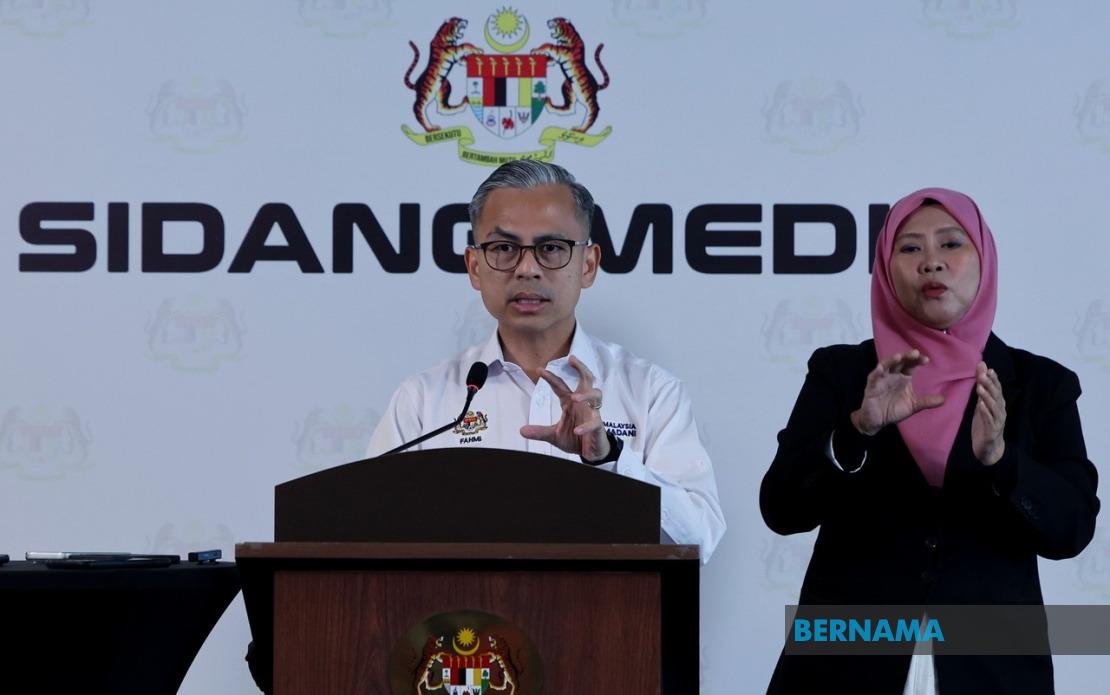
Parliament is preparing for a high-profile debate on the Royal Commission of Inquiry findings concerning Lembaga Tabung Haji (TH), with Communications Minister Datuk Seri Fahmi Fadzil confirming that between 35 and 40 Members of Parliament have indicated their intention to participate in the special Dewan Rakyat sitting. The session, scheduled for August 11, represents a significant legislative response to months of scrutiny surrounding the Islamic pilgrim fund's financial management and operational transparency. The level of parliamentary interest underscores the political sensitivity of the TH matter within Malaysia's government and Opposition benches alike.
Dewan Rakyat Speaker Tan Sri Johari Abdul has approved arrangements for the sitting to proceed continuously without breaks, enabling extended debate on the comprehensive findings. Prime Minister Datuk Seri Anwar Ibrahim previously indicated that proceedings would commence at 10 am and extend into the afternoon, signalling the government's commitment to thorough parliamentary examination of the RCI conclusions. This procedural flexibility demonstrates official acknowledgement that the TH investigation has uncovered matters warranting substantial legislative attention and public accountability.
The RCI report, published on July 29 through the Department of Islamic Development Malaysia (JAKIM) portal, represents the culmination of an inquiry into TH's management and operations during the 2014-2020 period. This timeframe proved critical in the organisation's financial deterioration, with investigators identifying numerous investments whose decisions ultimately eroded shareholder value significantly. The public availability of the report through official government channels reflects the administration's commitment to transparency, though the parliamentary debate will provide an additional forum for detailed interrogation of the commission's findings and recommendations.
Central to the RCI investigation were recommendations for forensic audits into past investment decisions that contributed substantially to TH's asset base contraction. The commission's examination went beyond routine financial analysis, uncovering patterns of suspicious transactions and systematic concealment of relevant information within the organisation's records and reporting systems. These discoveries elevated concerns from matters of financial mismanagement to questions about potential deliberate obstruction and accountability gaps in TH's governance structures during the critical period under review.
The participation of between 35 and 40 MPs represents a cross-party interest in addressing TH issues, suggesting that concerns transcend typical government-Opposition divisions. For Malaysian citizens, particularly the millions of pilgrims and their families whose savings rest with Tabung Haji, parliamentary scrutiny carries direct personal significance. The fund serves a unique national function, providing structured savings and financing for Islamic pilgrimage, making its governance failures not merely administrative matters but issues affecting religious practice and financial security for ordinary Malaysians.
The special sitting will be broadcast live through official Dewan Rakyat media channels, ensuring public access to parliamentary proceedings. This transparency reflects the democratic principle that matters of public financial stewardship warrant citizen awareness and engagement. For stakeholders in the Islamic finance sector across Southeast Asia, the TH case offers instructive lessons regarding governance frameworks, investment oversight, and accountability mechanisms within religiously-mandated financial institutions. Malaysia's parliamentary examination of these issues may influence regulatory approaches across the region.
The RCI investigation's focus on the 2014-2020 period captures a complex era in Malaysian governance spanning multiple administrations and political transitions. The identification of problematic investments and concealment patterns raises questions about institutional knowledge, whistleblower protections, and oversight effectiveness during these years. Parliamentary debate will likely probe whether systemic failures reflected individual misconduct, structural deficiencies, or combinations thereof requiring different corrective approaches.
For Malaysians engaged with Tabung Haji, the August 11 debate represents a crucial moment of accountability and potential policy reform. The forensic audit recommendations signal that investigation may extend beyond the RCI's mandate, potentially uncovering additional concerns or clarifying the precise mechanisms through which investment decisions deteriorated TH's financial position. Parliamentary members will likely question whether existing remedial measures prove sufficient or whether additional legislative or regulatory reforms require implementation.
The parliamentary sitting also reflects broader governmental priorities regarding institutional accountability and public confidence restoration. In a regional context where Islamic financial institutions command substantial citizen participation and trust, Malaysia's visible commitment to investigating and debating governance failures at TH carries symbolic weight. Neighbouring countries with comparable Hajj savings schemes may observe Malaysia's approach as either a model for transparency or a cautionary example of dormant oversight mechanisms.
The substantial parliamentary interest, evidenced by the 35-40 MPs expressing readiness to participate, suggests the debate will extend beyond perfunctory examination. Members representing constituencies with significant Tabung Haji participant populations will likely bring constituent concerns to parliamentary discussion. The intensity and breadth of questioning may ultimately determine whether the special sitting satisfies public demand for accountability or whether additional investigations, prosecutions, or reforms become politically necessary. The debate's conduct and conclusions will shape public perception of parliamentary effectiveness in addressing institutional failures affecting millions of ordinary Malaysians.

