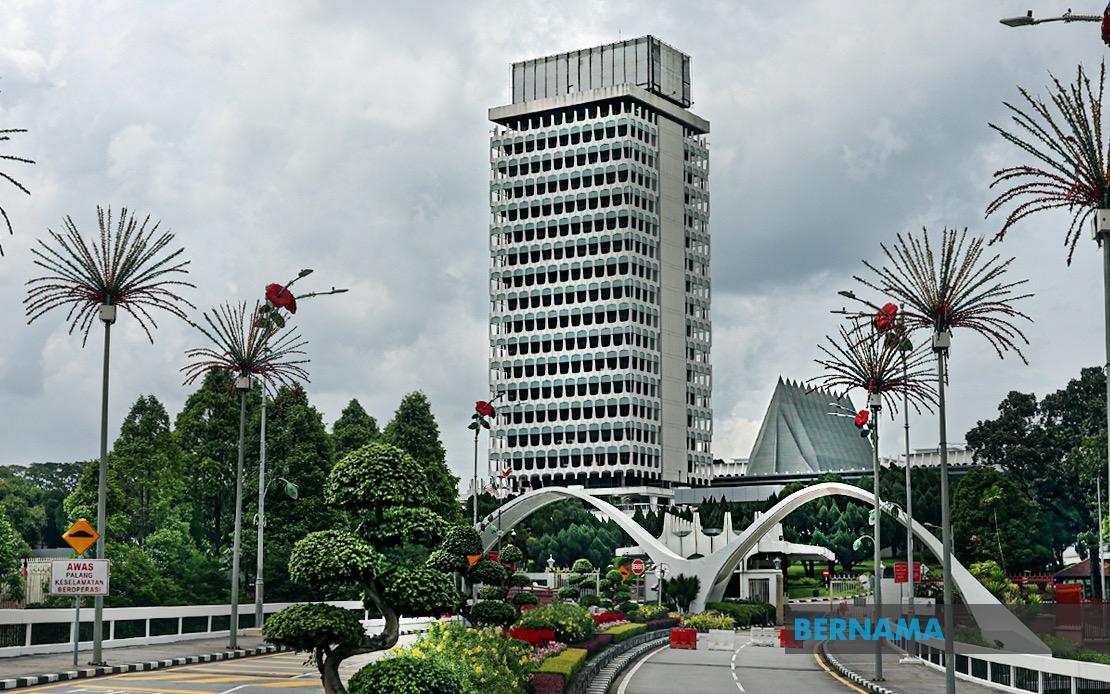
The Dewan Rakyat convenes today to scrutinise Malaysia's diplomatic stance following announcements regarding a potential Memorandum of Understanding between Washington and Tehran aimed at resolving military tensions across West Asia. The parliamentary sitting, beginning at 10 am, will provide legislators an opportunity to probe the government's response to developments that carry significant implications for regional stability and Malaysia's foreign policy interests in one of the world's most volatile geopolitical zones.
Datuk Mohd Isam Mohd Isa from Barisan Nasional representing Tampin has lodged a parliamentary question directed at the Foreign Minister, seeking clarity on Malaysia's official position regarding the reported peace initiative and the concrete measures the government intends to pursue in safeguarding stability throughout West Asia. This line of inquiry reflects broader concerns within the legislature about how Malaysia, a significant trading nation with interests across the region, will navigate the complex diplomatic landscape emerging from any settlement between the two major powers.
The West Asian question underscores Malaysia's delicate balancing act as a nation with extensive commercial ties throughout the Middle East, including substantial investments and trading relationships with both Sunni and Shia-majority states. The government's articulated response will likely influence investor confidence and Malaysia's ability to expand its economic footprint in the region at a time when geopolitical uncertainties could reshape trade patterns and bilateral relations. Malaysia's positioning on such matters carries weight beyond symbolic diplomacy, potentially affecting everything from defence agreements to energy security arrangements.
Parallel to foreign policy concerns, parliamentarians will scrutinise the performance of the MADANI Mart initiative, a retail programme designed to deliver affordable essentials to Malaysian consumers. Datuk Rosol Wahid, representing Hulu Terengganu under Perikatan Nasional, will direct questions to the Minister of Domestic Trade and Cost of Living requesting a comprehensive update on implementation progress, including the total number of operational outlets, applications received from participating entrepreneurs, and the scale of business participation. This inquiry reflects legislative oversight of a flagship initiative meant to address cost-of-living pressures affecting ordinary Malaysians.
The MADANI Mart programme has emerged as a centrepiece of the government's consumer protection strategy during a period of persistent inflation and rising household expenses. Understanding its deployment across the country and the extent of merchant involvement provides parliamentarians and the public with measurable indicators of whether the initiative is translating policy intentions into tangible economic relief. The breadth of questions surrounding MADANI Mart suggests that legislators across party lines remain invested in comprehending whether the programme is reaching sufficient scale to meaningfully impact prices and accessibility in communities nationwide.
Drug control policies will also receive parliamentary attention, with Khoo Poay Tiong of the Pakatan Harapan faction representing Kota Melaka requesting the Home Minister provide specific data on synthetic drug addiction cases documented since 2023. Beyond raw statistics, Khoo has sought assurance regarding the government's strategic response to escalating synthetic drug consumption, with particular emphasis on the emerging fentanyl threat. The focus on synthetic substances and fentanyl specifically indicates growing alarm among legislators about the evolving nature of Malaysia's drug challenges, where pharmaceutical compounds pose distinct enforcement and public health difficulties compared to traditional narcotics.
Fentanyl's emergence as a public health concern reflects a global pattern where pharmaceutical opioids have become instruments of criminal trafficking networks seeking substances far more potent than heroin. For Malaysia, a country already managing substantial drug abuse problems, the potential proliferation of fentanyl and other synthetic alternatives represents an escalating crisis requiring coordinated law enforcement, health system, and border security responses. Parliamentary scrutiny of government strategy in this domain appears timely given the speed at which synthetic drug markets typically expand once they establish initial footholds in a territory.
Datuk Seri Hamzah Zainudin from Perikatan Nasional representing Larut will also interrogate trade negotiations, specifically requesting the Minister of Investment, Trade and Industry provide updates on the Agreement on Reciprocal Trade between Malaysia and the United States. The ART implementation status holds significance for Malaysian exporters, manufacturers, and businesses seeking preferential market access to North America. As the US reasserts trade policy activism under various political administrations, bilateral commercial arrangements become increasingly important to Malaysian economic interests, particularly for sectors reliant on preferential tariff treatment or reduced non-tariff barriers.
Beyond question time, the parliamentary agenda includes the formal introduction of three legislative amendments scheduled for first reading. The Prisons (Amendment) Bill 2026 suggests ongoing refinement of the nation's correctional system, while twin Competition legislation amendments indicate the government's attention to market regulation frameworks. These amendments, proceeding through their initial parliamentary stage, will eventually require substantive debate and consideration, though today's sitting marks their formal entry into the legislative process.
The convergence of these diverse parliamentary items—spanning international relations, consumer economics, narcotics enforcement, trade policy, and criminal justice—reflects the breadth of contemporary governance challenges confronting Malaysia. The Dewan Rakyat's role in subjecting executive actions and policy implementation to public scrutiny remains foundational to parliamentary democracy, and today's sitting demonstrates how elected representatives exercise that accountability function across multiple policy domains simultaneously. The responses provided during question time will establish official government positions on matters ranging from geopolitical strategy to consumer protection, creating parliamentary records that shape public understanding of government priorities and direction.

