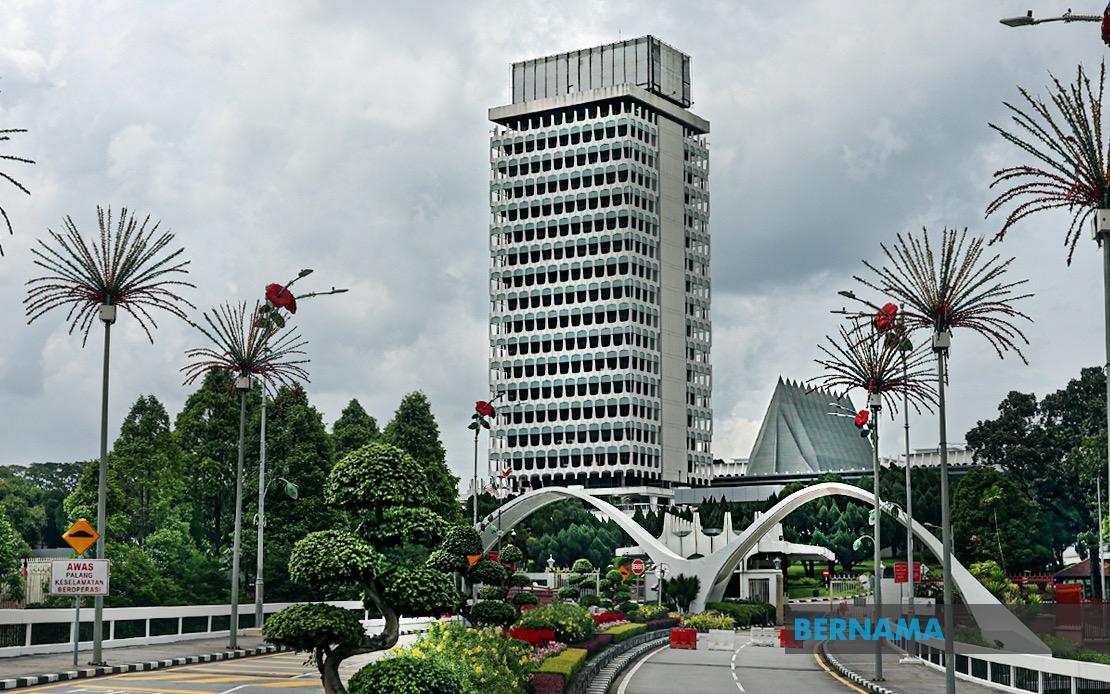
Lawmakers in the Dewan Rakyat are turning their attention today to the ripple effects of regional instability on Malaysia's critical tourism industry, as well as security challenges facing one of the country's most strategically significant northern regions. The parliamentary sitting, which runs through July 16, will hear urgent questions about how geopolitical tensions in West Asia are reshaping travel patterns to Malaysia, particularly from wealthy Middle Eastern, European and regional tourist markets that have traditionally underpinned the nation's tourism recovery efforts.
Dr Ahmad Fakhruddin Fakhrurazi from Kuala Kedah will press the Tourism, Arts and Culture Minister on the specific scale of the conflict's impact on foreign visitor numbers and what proactive measures the government has deployed to maintain momentum in the tourism sector. This inquiry carries particular weight given Malaysia's strategic positioning as a competitive destination in Southeast Asia, where tourist flows can shift rapidly in response to international security perceptions. The questioning reflects growing concerns among lawmakers that prolonged regional tensions could derail the tourism sector's recent recovery trajectory, especially among affluent visitor demographics from the Middle East and Europe who contribute substantially to Malaysia's hospitality and services revenue.
Parallel to tourism concerns, Datuk Mohd Suhaimi Abdullah representing Langkawi will raise critical questions about the operational readiness of security forces in his constituency. Langkawi's proximity to the Malaysia-Thailand maritime border creates a complex security environment, with authorities facing persistent challenges related to migrant smuggling networks and the illicit movement of controlled goods across territorial waters. The lawmaker will ask whether current assets and personnel levels within security agencies are adequate to manage these threats, and whether the Home Ministry plans to introduce unmanned aerial vehicle (UAV) technology to enhance border surveillance capabilities.
The Langkawi security question highlights an ongoing tension in Malaysia's border management strategy. As a maritime hub with significant commercial activity and tourist traffic, Langkawi faces pressure from transnational criminal networks exploiting sea routes for smuggling operations. The introduction of drone technology, as previously proposed, could substantially improve real-time monitoring capabilities along the contested waters, offering cost-effective surveillance compared to traditional patrol methods. However, implementing such systems requires coordination between multiple agencies and substantial capital investment, concerns that the parliamentary question will likely expose.
Elsewhere on the parliamentary agenda, Manndzri Nasib will scrutinise the effectiveness of Ecological Fiscal Transfer funds and PERHILITAN conservation programmes in addressing the persistent human-elephant conflict that has plagued Malaysia's forested regions. This question reflects the mounting tension between wildlife conservation and rural community safety, particularly in states bordering protected forest areas where elephant populations regularly encroach into agricultural zones and human settlements. The lawmaker will also probe the government's strategy for expanding Electric Fencing for Elephants technology, a proven but resource-intensive solution to protecting both wildlife and rural livelihoods.
The human-elephant conflict represents one of Malaysia's most intractable environmental challenges, requiring sustained investment and inter-agency coordination. Rural communities in Pahang, Johor, and Perak have experienced increasing crop losses and property damage from elephant incursions, straining farmer patience with conservation mandates. The government's ability to demonstrate tangible progress in managing these conflicts will significantly influence public support for protecting remaining elephant populations. The parliamentary question signals legislative concern that existing programmes may lack sufficient resources or coordination to meaningfully reduce conflict incidents.
Datuk Willie anak Mongin will direct questions at the Housing and Local Government Minister regarding affordable housing availability across Malaysia's states and price categories. His inquiry also seeks data on home ownership rates among young people under 35, segmented by state and parliamentary constituency. This line of questioning addresses a persistent policy challenge for the government, as housing affordability remains a critical issue for younger Malaysians facing rapid property price escalation and limited income growth. Breaking down ownership rates by geographic constituency will illuminate regional disparities and guide targeted policy interventions.
The affordable housing question reflects mounting pressure on the government to demonstrate concrete progress on a key electoral promise. Youth unemployment and underemployment, combined with skyrocketing property prices particularly in urban areas, have created a significant barrier to homeownership for the under-35 demographic. Parliamentary scrutiny of ownership rates by constituency will reveal whether government programmes are reaching their intended beneficiaries equitably across different regions, or whether certain constituencies are being systematically disadvantaged.
Beyond these policy interrogations, parliament will progress two legislative measures during today's sitting. The Sexual Offences against Children (Amendment) Bill 2026 returns for second reading, signalling government commitment to strengthening child protection frameworks. The Employment Insurance System (Amendment) Bill 2025 will also advance, potentially expanding worker protections and social security coverage. Both bills represent substantive policy interventions that warrant parliamentary debate and scrutiny before proceeding to committee stage.
The child protection amendments take on heightened urgency given persistent public concern about childhood safety and exploitation vulnerabilities within Malaysia's digital ecosystem. Enhanced legislative measures in this area enjoy broad cross-party support but require careful drafting to balance protective intentions with due process considerations and avoiding overbroad criminalisation. The employment insurance amendments similarly address worker welfare concerns intensified by the post-pandemic economic environment and gig economy expansion.
Together, today's parliamentary agenda reflects the government's engagement with diverse policy domains spanning tourism competitiveness, national security, environmental management, housing equity, and social protection. The breadth of questions indicates that lawmakers across the political spectrum remain focused on concrete issues affecting constituents' daily lives and Malaysia's economic performance. The 16-day sitting will provide extended opportunity for substantive debate on these matters beyond today's initial questioning, allowing for deeper exploration of implementation challenges and alternative policy approaches across multiple parliamentary sessions.

