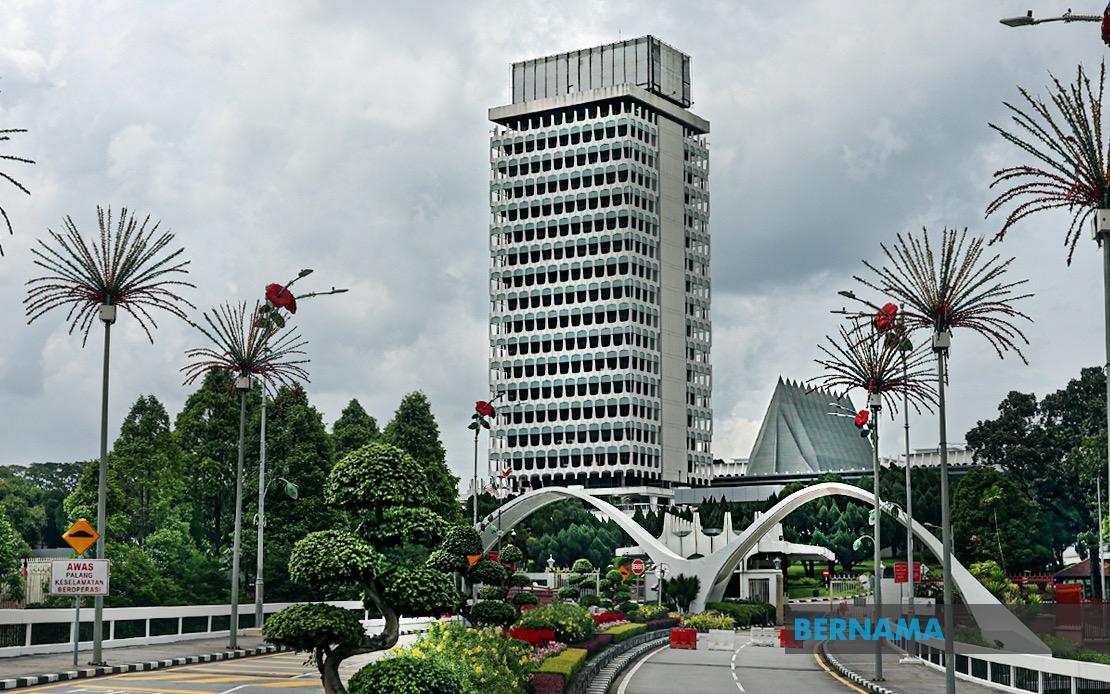
Lawmakers will press the government today on two fronts that have stirred mounting concern across Malaysia's business and civil society sectors: the persistent difficulty small enterprises face in obtaining credit and the country's declining international standing on press freedom. During Minister's Question Time in the Dewan Rakyat, members will seek clarity on government strategies to address these interconnected challenges that reflect broader anxieties about Malaysia's economic resilience and democratic health.
Lee Chuan How, the Ipoh Timor representative from Pakatan Harapan, will direct attention to the financing squeeze affecting micro, small and medium enterprises, which collectively employ millions of Malaysians and form the backbone of the nation's economy. His question to the Prime Minister will highlight entrepreneur complaints about institutional barriers to accessing capital, a systemic problem that has persisted despite multiple government pledges to ease credit conditions for smaller operators. The MADANI Government, which positioned itself as champion of inclusive economic development, faces scrutiny on whether its policies have genuinely translated into tangible improvements in lending accessibility for this vital sector.
The MSME financing gap carries particular significance for Malaysia given regional competition and the post-pandemic recovery phase in which agility and fresh investment remain critical. When small businesses cannot secure working capital or expansion funding at reasonable terms, they tend to stagnate or exit the market entirely, reducing job creation and innovation. This dynamic becomes especially troublesome as Southeast Asian peers invest heavily in digital transformation and supply chain modernisation. The parliamentary question signals that backbencher concern mirrors widespread frustration among chambers of commerce and business associations, suggesting the issue transcends partisan lines.
Ahmad Fadhli Shaari from Perikatan Nasional's Pasir Mas constituency will raise a separate but equally troubling development: Malaysia's retreat in the 2026 World Press Freedom Index. The country's drop from 88th position last year to 95th this year represents a significant regression that invites international scrutiny and raises questions about the trajectory of institutional independence. His inquiry will demand that the Prime Minister outline comprehensive protective measures the administration intends to implement to arrest further decline and restore confidence in Malaysia's media environment.
This decline in press freedom rankings reflects global trends that affect Malaysia's international reputation and investor perceptions. Foreign observers and multinational corporations increasingly factor governance quality and institutional autonomy into decisions about long-term capital deployment. A deteriorating media freedom index can signal deeper institutional vulnerabilities that extend beyond journalism itself to encompass rule of law and political stability. For Malaysian policymakers, the reputational cost compounds the substantive concern that press constraints might mask governance failures or limit public access to information essential for informed participation in democratic processes.
The deterioration coincides with broader regional patterns where governments have expanded regulatory frameworks affecting digital platforms and traditional outlets. Malaysia's specific circumstances warrant investigation into whether recent legislative changes, regulatory applications, or informal pressures have contributed to international assessments. The parliamentary platform offers an opportunity for the government to articulate its conception of appropriate boundaries between regulation and freedom, and to demonstrate whether current policies genuinely reflect democratic commitment or have tilted excessively toward control.
The morning's agenda will also address accessibility infrastructure for religious spaces. Aminolhuda Hassan from Sri Gading will inquire whether the government plans to establish a Senior Citizens-Friendly Fund enabling mosques and suraus to install facilities like wheelchair ramps and accessible toilets. This question reflects awareness that Malaysia's ageing population requires systematic accommodation in public facilities, and that religious institutions deserve support in becoming genuinely inclusive spaces for elderly worshippers who may face mobility challenges.
Beyond these immediate questions, the sitting carries substantive legislative business. Parliament will debate the 2024 Annual Report and Financial Statement from the Human Rights Commission of Malaysia, known as SUHAKAM, providing an opportunity for lawmakers to assess institutional performance on fundamental rights protection. Subsequent debate will resume on the Constitution (Amendment) (No. 2) Bill 2026, which proposes structural separation between the offices of Attorney General and Public Prosecutor, a constitutional redesign intended to enhance institutional independence and prevent concentration of prosecutorial authority.
This constitutional measure has generated discussion about institutional accountability and separation of powers. The proposal reflects international best practice in many democracies where prosecutorial authority operates independently from government legal representation. For Malaysia, such separation could strengthen rule of law by reducing perceptions that prosecutorial decisions serve political convenience rather than legal principle. However, implementation requires careful consideration of transitional mechanisms and coordination between offices to ensure effective governance during the restructuring period.
The convergence of these agenda items suggests parliament's engagement with interconnected challenges to Malaysia's institutional health and economic vitality. From financing access for enterprises to press freedom protection to constitutional restructuring, today's proceedings address foundational questions about how Malaysia positions itself regionally and globally. The quality of ministerial responses and subsequent parliamentary scrutiny will signal whether lawmakers intend serious oversight or merely procedural performance.
These discussions occur within Malaysia's broader reform narrative following recent political transitions. Stakeholders including business associations, civil society organisations, and international observers monitor parliamentary performance as an indicator of whether institutional strengthening represents genuine commitment or rhetorical positioning. The morning's questions and debates will test whether current parliamentary configurations deliver meaningful accountability on matters that affect millions of citizens and Malaysia's international standing.

