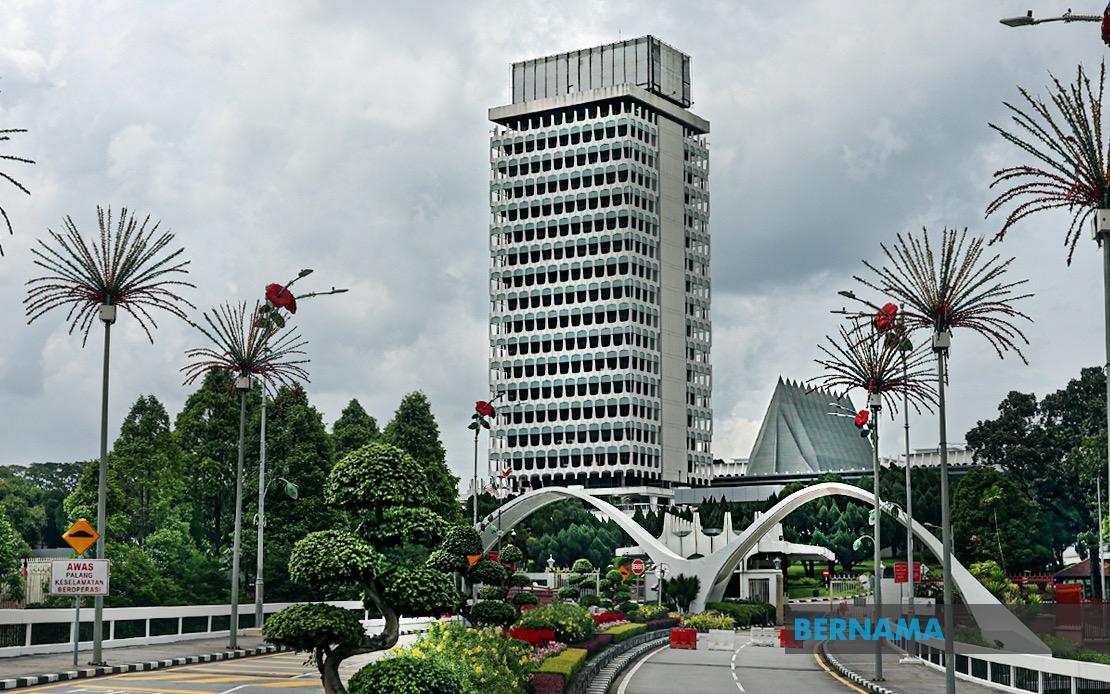
Lawmakers convening in the Dewan Rakyat today are expected to probe several policy areas critical to Malaysia's economic trajectory and strategic standing, with particular attention to the rollout of renewable energy initiatives, the nation's diplomatic stance on Myanmar, and growing concerns about digital sovereignty. The parliamentary session reflects mounting pressure on ministers to demonstrate tangible progress on schemes affecting energy costs and business competitiveness while navigating complex regional challenges and emerging cybersecurity threats.
The Corporate Renewable Energy Supply Scheme (CRESS) faces direct scrutiny from Rodziah Ismail of Ampang, who will press the Minister of Energy Transition and Water Transformation for concrete implementation data and industry participation numbers. Her broader line of questioning targets the System Access Charge (SAC) rate review, signalling parliamentary anxiety about whether revised pricing structures will strengthen Malaysia's ambitions as a regional data centre hub. The SAC rates fundamentally influence operating expenses for data centre operators, making this technical matter far more than bureaucratic detail—it directly impacts Malaysia's ability to attract and retain digital infrastructure investment amid intense competition from neighbours offering lower operational costs.
The interconnection between energy policy and Malaysia's digital economy aspirations deserves deeper examination. Data centres are energy-intensive facilities, and Malaysia's pitch to regional investors depends heavily on competitive power pricing combined with stable supply. Questions about the Corporate Green Power Programme (CGPP) and Battery Energy Storage Systems (BESS) suggest Parliament recognises that renewable energy uptake must accelerate to ensure reliable electricity for strategic industries. Without addressing these infrastructure challenges, Malaysia risks watching investment dollars flow to jurisdictions with clearer energy transition certainties.
Economic pressures dominating household and business concerns will occupy lawmakers' attention through Mohd Syahir Che Sulaiman's questions to the Minister of Economy. Rising job losses and contracting businesses amid the global energy crisis demand concrete mitigation strategies from the National Economic Action Council. The gap between announced policies and measurable outcomes has widened, leaving businesses uncertain whether government support mechanisms will genuinely cushion economic downturns or remain largely symbolic. Lawmakers will expect specific data on which sectors have benefited most and where intervention has fallen short.
Fuel subsidy administration emerges as another pressure point where Datuk Seri Hasni Mohammad seeks clarity from the Finance Minister on MyKad-based diesel rationing and the adequacy of 200-litre entitlements for both petrol and diesel. This line of questioning reflects public frustration with subsidy targeting mechanisms perceived as bureaucratically cumbersome while failing to protect those most dependent on private transport or commercial vehicles. The government's standardisation approach needs clearer articulation to justify why uniform entitlements serve Malaysia's diverse economic regions equitably.
Malaysia's diplomatic approach toward Myanmar will occupy significant parliamentary time, with William Leong Jee Keen pressing the Foreign Minister on how the Five-Point Consensus shapes policy formulation. This question carries weight beyond Myanmar itself, as Malaysia's handling of the regional crisis signals its credibility within ASEAN's consensus-based framework. Observers will watch whether Parliament receives substantive answers about progress toward implementing the five-point plan—ceasefire, humanitarian aid, political dialogue, and Myanmar's eventual transition—or merely diplomatic platitudes. The credibility of Malaysia's regional diplomacy depends partly on explaining how consensus objectives translate into actionable diplomatic pressure.
Data sovereignty and artificial intelligence readiness frame emerging security concerns increasingly occupying parliamentary agendas. Datuk Seri Amirudin Shari's questions about aligning state-level digital infrastructure initiatives, particularly the Selangor Dark Fiber Network, highlight fragmented approaches to critical data infrastructure. When states develop digital networks independently of national security frameworks, gaps emerge that potential adversaries might exploit. The minister must articulate how Malaysia integrates disparate state systems into coherent national data security architecture while simultaneously pursuing AI-readiness targets by 2030. These objectives are not mutually compatible without explicit coordination and investment.
Islammic education standards and federal-state coordination feature in Datuk Idris Ahmad's questions to the Prime Minister, reflecting parliamentary interest in whether curriculum reforms translate into measurable improvements in student outcomes and religious knowledge depth. The apparent coordination gaps between federal authorities and state Islamic Religious Councils suggest implementation challenges that require institutional reform beyond curriculum revision alone. This question implies Parliament expects accountability for education policy outcomes rather than simply approving new frameworks.
Sabah and Sarawak parliamentary representation remains a persistent grievance that Isnaraissah Munirah Majilis raises regarding Malaysia Agreement 1963 implementation progress. The commitment to raise parliamentary seats for these states to 35 per cent of total seats has dragged without clear timelines, frustrating East Malaysian lawmakers who view this as fundamental to equitable federation governance. Parliament's continued pressure on this issue reflects growing impatience with delayed constitutional reforms affecting electoral representation and state influence over federal policy.
The Public Accounts Committee briefing on health insurance premiums and private hospital charges will examine a politically sensitive issue affecting household finances across income levels. Rising healthcare costs reflect structural pressures in Malaysia's dual public-private medical system, where private sector price escalation increasingly pricing middle-class families out of quality care. Parliamentary examination of Bank Negara Malaysia's role—if any—in regulating private health insurance suggests lawmakers seek coordination between financial regulators and health authorities to manage cost inflation.
The Prisons Amendment Bill 2026 completes the parliamentary agenda, addressing institutional reform in the correctional system. The specific amendments warrant close examination as Malaysia reassesses incarceration policies and prison conditions in light of overcrowding and rehabilitation effectiveness concerns. Parliamentary scrutiny of corrections legislation indicates broader willingness to examine public institutions systematically rather than accepting incremental, reactive reforms.
This 16-day session, running from June 22 to July 16, provides Parliament with extended opportunity to examine interconnected policy challenges spanning energy, economics, digital security, foreign relations, and institutional reform. The depth of questioning across multiple policy domains suggests growing parliamentary sophistication in holding the executive accountable while highlighting persistent gaps between policy announcements and ground-level implementation. Malaysian stakeholders across business, civil society, and affected communities will watch carefully whether parliamentary pressure translates into tangible policy corrections or merely generates temporary ministerial explanations.

