Parliament will convene in a special sitting tomorrow morning to examine findings from a comprehensive Royal Commission of Inquiry into the management and operations of Lembaga Tabung Haji during a critical six-year period. The session, beginning at 10 am, represents a significant moment of legislative scrutiny into one of Malaysia's most important Islamic financial institutions, which manages hajj savings for over three million contributors nationwide.
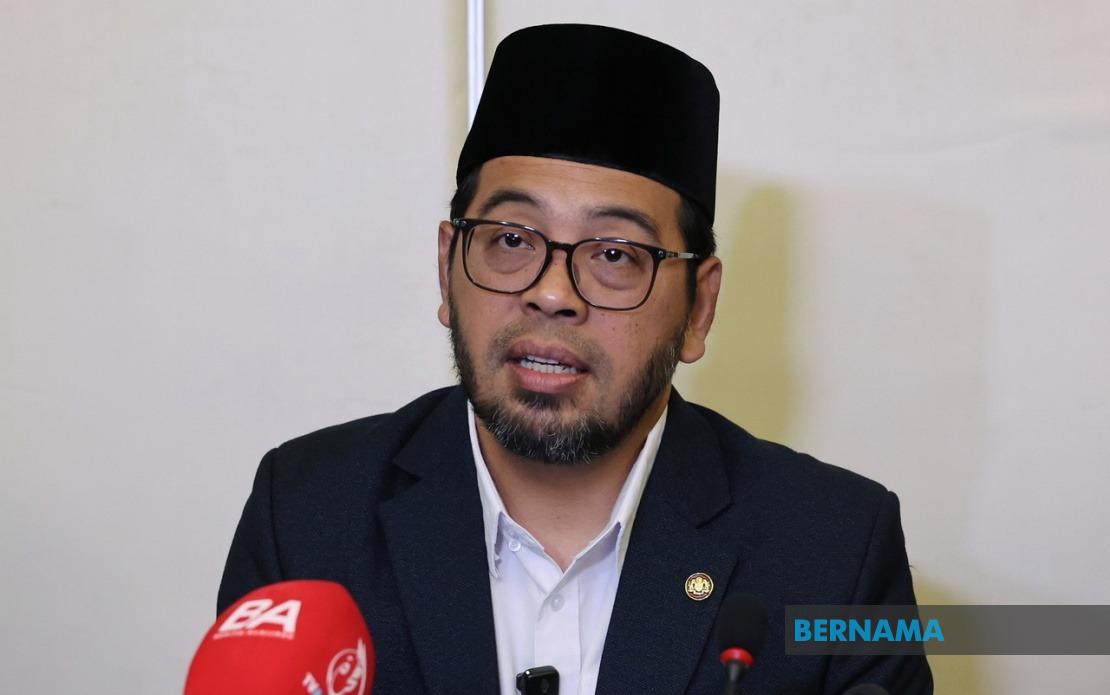
Dr Zulkifli Hasan, the Minister in the Prime Minister's Department overseeing Religious Affairs, will deliver the ministerial briefing on the RCI's conclusions before Parliament. He will be joined by Finance Minister II Datuk Seri Amir Hamzah Azizan in steering the subsequent parliamentary debate and delivering the formal wind-up remarks that conclude the discussion. The two-minister arrangement underscores the gravity the government places on the matter, given Tabung Haji's dual significance as both a religious institution and a major financial entity handling billions in public savings.
The 211-page RCI report, released publicly on July 29 following Cabinet approval, represents the culmination of an intensive investigation into how the institution managed its affairs between 2014 and 2020. The government's decision to fully disclose the findings reflects a commitment to transparency regarding institutional governance, though the specific details of what prompted the inquiry and what remedial measures are now required will become clearer during tomorrow's parliamentary proceedings.
In a brief video statement distributed to media, Zulkifli emphasised that the Cabinet has already determined that accountability measures should be implemented against individuals found to have played roles in the matters under investigation. This signalling from the ministerial level suggests the RCI identified specific lapses or misconduct that will trigger consequences, though the scale and nature of these actions await clarification during parliamentary debate. The statement indicates a government stance favouring decisive action rather than mere acknowledgement of findings.
The parliamentary sitting has generated substantial interest among Members of Parliament, with Communications Minister Datuk Seri Fahmi Fadzil reporting that at least 40 MPs have indicated their intention to participate in the debate. This level of participation reflects the widespread concern regarding Tabung Haji's stewardship, an institution that touches the lives of millions of Malaysians saving for one of Islam's five pillars. The breadth of parliamentary interest also signals that scrutiny of the institution's management transcends typical partisan divides.
For Malaysian Muslims, Tabung Haji represents far more than a financial savings scheme. The institution embodies the state's commitment to facilitating the hajj pilgrimage, one of Islam's fundamental obligations. Any governance failures or mismanagement carry profound implications not only for individual contributors' savings but also for public confidence in state-supported Islamic institutions. The RCI inquiry addresses these concerns head-on by examining a period that encompassed significant financial market volatility and changing regulatory environments.
The 2014 to 2020 timeframe covered by the investigation is particularly relevant, as these years witnessed major developments in Malaysia's financial sector oversight and governance standards. The period also coincided with domestic political transitions and evolving international standards for managing hajj-related funds. Understanding how Tabung Haji navigated this landscape is crucial for assessing whether institutional practices kept pace with contemporary governance expectations.
Parliament's examination of the report tomorrow will provide an opportunity for elected representatives to raise specific concerns about the RCI's findings with relevant ministers. The debate format allows for substantive questioning about institutional failures, remedial measures, and safeguards to prevent recurrence. For Malaysian stakeholders—particularly the millions of contributors—such parliamentary accountability represents an essential mechanism for ensuring their savings are managed responsibly.
The timing of this special parliamentary sitting also carries significance in Malaysia's broader governance narrative. Increased emphasis on institutional accountability and transparency in managing public funds has become a defining feature of recent political discourse. Parliament's dedicated attention to the Tabung Haji RCI report demonstrates this commitment in practice, setting expectations for how other significant governance inquiries might be handled.
Looking forward, the outcomes of tomorrow's debate will likely shape Tabung Haji's operational direction and structural reforms. Beyond the immediate parliamentary proceedings, the Cabinet's indicated intention to pursue action against involved parties suggests a process of internal accountability and potentially external consequences. The RCI report serves as a foundation for these actions, with parliamentary scrutiny adding another layer of oversight to institutional reform.
For the broader Southeast Asian context, Malaysia's handling of this significant institutional inquiry carries lessons regarding governance and financial stewardship. How a nation manages accountability for failures in managing religiously-significant financial institutions reflects broader commitments to institutional integrity and public trust. The transparency demonstrated through public disclosure and parliamentary debate represents standards increasingly expected across the region's democracies.

