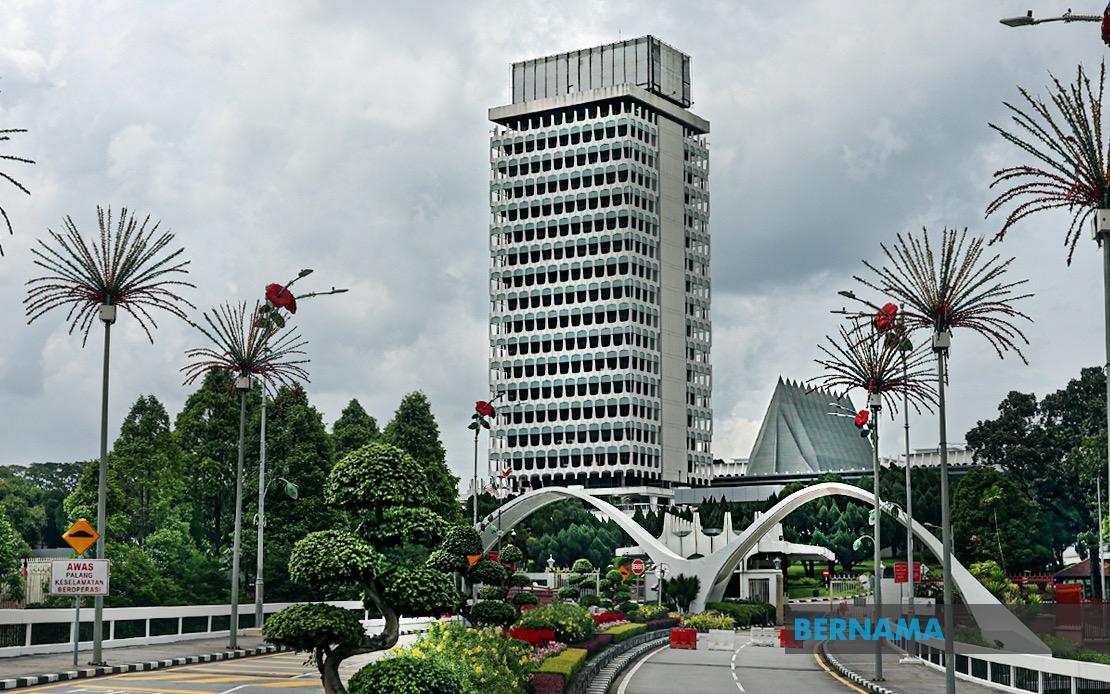
Parliamentary attention turns today to three major policy challenges confronting Malaysia's domestic agenda: the regulatory framework underpinning digital communications oversight, protection mechanisms within educational institutions, and economic relief for small business operators caught in global supply chain turbulence. These topics reflect the government's balancing act between modernising digital governance, safeguarding vulnerable populations, and cushioning economic pressure on the entrepreneurial sector.
The Online Safety Act 2025 (Act 886) represents one of Southeast Asia's most comprehensive attempts to regulate internet content and digital conduct. However, legislation alone cannot function; the subsidiary instruments—encompassing detailed regulations and operational guidelines—determine whether the law achieves its stated objectives or becomes administratively cumbersome. Rodziah Ismail, representing Ampang under the Pakatan Harapan banner, will press the Communications Minister for specifics on ten such instruments currently under development. Her questioning targets the regulatory philosophy embedded within each instrument: what harms they target, which online activities they constrain, how broadly they apply across platforms and user categories, and whether implementation timelines remain on track. For Malaysian businesses and digital enterprises, clarity on these instruments carries direct consequences, affecting compliance costs, operational flexibility, and competitive positioning against regional counterparts in Singapore and Indonesia who operate under different regulatory regimes.
School safety has emerged as an increasingly urgent concern within Malaysian public discourse, reflecting both international trends in campus security and locally documented incidents of violence, bullying, and accidents within educational facilities. Roslan Hashim, the Kulim Bandar Baharu representative from Perikatan Nasional, seeks to establish what comprehensive measures the Education Ministry has deployed to transform schools into genuinely protected environments. The inquiry encompasses multiple threat categories—accidental injuries from inadequate infrastructure, psychological and physical bullying among peers, external security breaches, and other hazards—suggesting that school safety cannot be addressed through single-issue interventions. The breadth of his questioning implies that existing protocols may be fragmented or unevenly implemented across Malaysia's diverse school system, from urban federal institutions to rural primary schools operating with limited resources. For parents nationwide, the response will indicate whether systemic improvements are genuine or rhetorical.
The financial strain on Malaysia's micro-entrepreneurial ecosystem, exacerbated by Middle Eastern geopolitical tensions disrupting shipping routes and supply networks, commands urgent parliamentary attention. Datuk Andi Muhammad Suryady Bandy from Kalabakan, a Barisan Nasional member representing the resource-dependent state of Sabah, will interrogate the Finance Minister on concrete assistance programmes. The crisis has intensified logistics expenses through route diversions, insurance premium increases, and port congestion, effectively imposing a hidden tax on traders and hawkers already operating on razor-thin margins. Small retailers, food vendors, and micro-manufacturers cannot absorb these cost spikes through price increases without losing customer demand, creating a profitability squeeze that threatens business survival and employment stability. Targeted intervention—whether through freight subsidies, working capital loans, or direct financial relief—has become essential for preventing cascading business failures within communities dependent on small-scale commerce.
Transport infrastructure development in the southern Johor region will receive scrutiny through Datuk Seri Dr Wee Ka Siong's inquiry regarding the Johor Elevated Autonomous Rapid Transit (E-ART) project. This initiative represents a significant investment in modernising urban mobility and reducing road congestion in Malaysia's southernmost state, which experiences sustained traffic pressure from both domestic travel and cross-border movement into Singapore. The project's implementation status carries implications for Johor's economic competitiveness, property development patterns, and quality of life for residents. Parliamentary oversight of such major infrastructure initiatives ensures public accountability for expenditure and timeline management, particularly important when autonomous and elevated transit systems involve sophisticated technology and substantial capital commitment.
Road safety implementation measures will form another parliamentary debate element, with Zakri Hassan from Kangar raising concerns about works ministry policies affecting traffic safety infrastructure. The specifics remain incomplete in the parliamentary record, but the questioning indicates potential gaps or controversies surrounding how road safety regulations are being operationalised across different jurisdictions and road categories.
Sabah's public healthcare development faces potential constraints from fiscal adjustment policies, according to Datuk Shahelmey Yahya representing Putatan. The Health Minister will be asked whether cost-containment measures adopted at the national level might inadvertently compromise service delivery or capital investment in Sabah's medical facilities. This concern highlights tensions between macroeconomic fiscal discipline and the infrastructure and human resource needs of Malaysia's less urbanised states, where healthcare facility distribution already lags behind peninsula standards.
Cybersecurity implications of potential age restrictions for social media access emerge as a novel parliamentary concern. Riduan Rubin, the independent representative for Tenom, raises a sophisticated question: what national-level cybersecurity risks might emerge if Malaysia implemented a minimum age requirement of 16 for social media platform access? This inquiry suggests recognition that age-gating mechanisms themselves create security vulnerabilities—whether through data privacy implications of age verification systems, incentives for identity fraud, or regulatory enforcement challenges. The question reflects international debates about whether age restrictions effectively protect minors or merely displace risk while creating new vulnerabilities.
Concurrently, the legislature will proceed with second reading of the Competition (Amendment) Bill 2026, signalling the government's intention to refine Malaysia's antitrust and competitive conduct framework. This legislative activity occurs alongside intensive questioning of the executive, illustrating parliament's dual responsibility for both scrutinising government performance and advancing new legal instruments.
The Fifth Session's 16-day sitting period through July 16 provides extended parliamentary time for substantive debate on these interconnected policy challenges. The concentration of diverse issues—digital regulation, educational safety, economic protection, infrastructure, healthcare, cybersecurity, and competition law—reflects the government's crowded domestic agenda and the parliament's role in managing multiple policy pressures simultaneously. Each questioning session and legislative proceeding carries significance not only for immediate policy outcomes but for establishing parliamentary precedents regarding government accountability in managing Malaysia's complex transition toward digital sophistication, social protection, and economic resilience.

