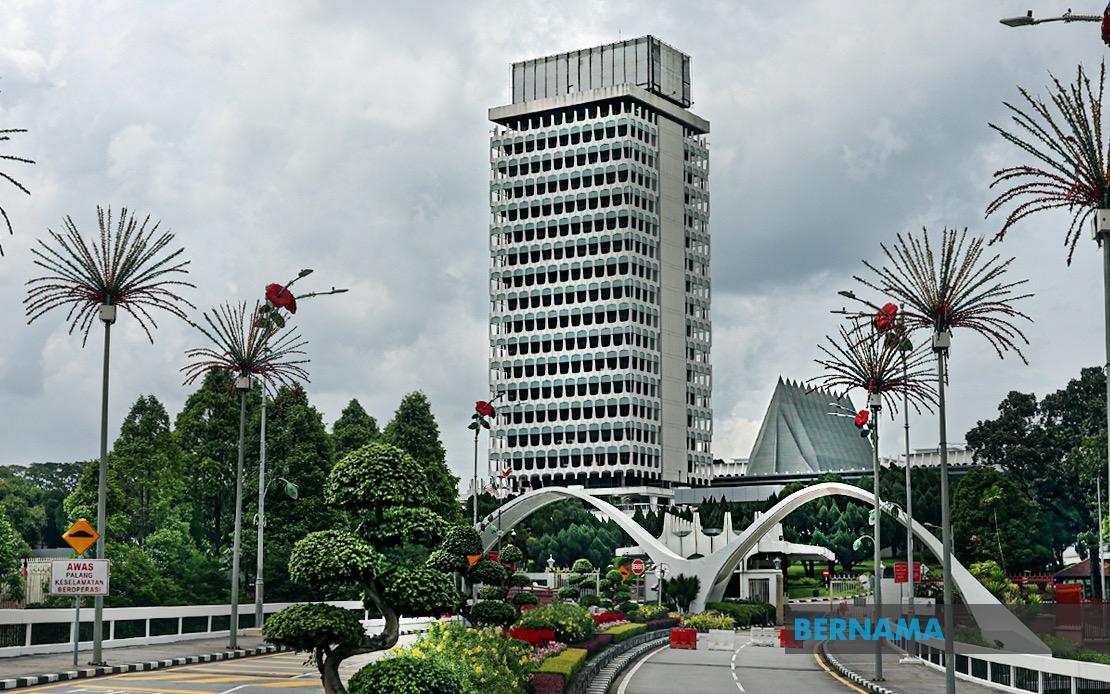
The Dewan Rakyat is set to grapple with three significant policy areas today as legislators reconvene for a parliamentary sitting that will extend through mid-July. Among the priority items on the agenda are comprehensive strategies to bolster Johor's water supply infrastructure, measures to reinforce the competition watchdog's enforcement powers, and the mechanisms underpinning age verification systems for social media platforms. These discussions reflect mounting pressures on Malaysia's resource management, consumer protection frameworks, and digital governance as the nation navigates rapid urbanisation and technological change.
Johor's water security has emerged as an increasingly pressing concern for policymakers, particularly given the state's vulnerability to seasonal droughts and its growing population demands. Suhaizan Kaiat, the Pulai member from Pakatan Harapan, will press the Energy Transition and Water Transformation Minister during Question Time to elaborate on the government's comprehensive roadmap for expanding Johor's water resource infrastructure. The inquiry encompasses multiple dimensions of water management strategy, including the construction timeline and capacity specifications for new dams, the expansion and modernisation of water treatment facilities, and the integration of recycled water systems into the supply chain. This multi-pronged approach reflects international best practice in addressing water scarcity, combining supply-side expansion through reservoirs with demand-side management through treatment innovation and water reclamation. For regional observers, Johor's experience carries broader relevance, as neighbouring states and Singapore itself depend on cross-border water arrangements, making efficiency gains in Johor's infrastructure critical to regional water security.
The inquiry also underscores the tension between rapid development and environmental sustainability. As Johor continues its transformation into an economic hub anchored by the Iskandar Malaysia development corridor, industrial and residential water consumption has climbed substantially. Without simultaneous investment in supply augmentation and conservation technologies, the state risks becoming vulnerable to supply shocks. The government's response today will signal whether it prioritises short-term infrastructure spending or longer-term efficiency measures that balance growth with resilience.
Parallel to water security concerns, legislators will scrutinise the Malaysia Competition Commission's capacity to police anti-competitive behaviour in Malaysia's notoriously opaque housing market. Datuk Seri Ismail Abd. Muttalib, representing the Perikatan Nasional in Maran, will ask the Domestic Trade and Cost of Living Minister what specific measures the ministry has implemented to strengthen MyCC's monitoring function over housing price offerings and package structures. This line of questioning reflects sustained frustration within Parliament and among consumer groups regarding housing affordability, where accusations of price-fixing and coordinated market manipulation have long circulated without generating robust enforcement action.
The housing market remains one of Malaysia's most economically consequential sectors, directly affecting household wealth accumulation and intergenerational economic mobility. Yet the sector has historically resisted transparent price discovery and competitive pressure, with developers exercising considerable discretion over launch prices, promotional discounts, and bundled services. MyCC, established as Malaysia's independent competition regulator, theoretically possesses authority to investigate and sanction anti-competitive conduct, yet resources constraints and jurisdictional ambiguities have historically limited its impact in the property sector. The minister's response will reveal whether the government intends to expand MyCC's investigative remit, allocate additional enforcement resources, or clarify the legal architecture governing competition in property markets.
Beyond resource allocation, the inquiry into MyCC's effectiveness also touches on fundamental questions about market transparency. Effective competition investigation requires investigators to access pricing data, communication records between competitors, and internal corporate documents that developers have traditionally guarded closely. Whether MyCC can compel disclosure of this information, and whether it has adequate forensic capacity to reconstruct alleged price-fixing conspiracies, remains unclear. Parliament's attention to this issue may precipitate legislative reforms that strengthen the regulator's powers.
The third major agenda item addresses digital governance and child protection in an era of ubiquitous social media. Syahredzan Johan, the Bangi representative from Pakatan Harapan, will interrogate the Communications Ministry regarding the government's approach to implementing age verification systems for social media accounts. Age verification has emerged as a contentious policy frontier globally, with governments and child advocates arguing that restricting children's access to certain platforms reduces exposure to harmful content, predatory behaviour, and algorithmic manipulation. However, implementation raises thorny technical and privacy questions that the Communications Ministry must navigate.
Malaysia's proposed approach to age verification intersects with broader debates about data protection and surveillance. The system necessarily requires social media service providers to collect and process identity information or age-related personal data from users. The government's stated intention to limit data access to "necessary and proportionate" attributes and mandate deletion once verification concludes reflects an effort to balance child protection against privacy risks. However, translating these principles into enforceable requirements demands clarity about what constitutes proportionality, how enforcement will operate, and what recourse users possess if data is mishandled or retained beyond its designated purpose.
Syahredzan's specific focus on ensuring that licensed service providers receive only limited and proportionate personal data represents sophisticated scrutiny of the implementation mechanics. This question signals awareness that age verification systems can become mechanisms for expanded surveillance if guardrails are inadequate. The Communications Ministry's response will indicate whether proposed regulations include explicit technical and contractual provisions that prevent feature creep, whereby age-related data collection gradually expands into broader profiling and targeted advertising.
These three parliamentary inquiries collectively reflect Malaysia's efforts to address infrastructure deficits, market dysfunction, and digital governance challenges simultaneously. The 16-day sitting extending through July 16 provides sufficient time for sustained debate on each topic, allowing legislators to move beyond rhetorical engagement toward substantive scrutiny of ministerial performance. The success of these inquiries will depend on whether ministers provide concrete timelines, resource commitments, and measurable performance indicators rather than generic assurances. For Malaysian citizens watching housing affordability, water supply reliability, and children's digital safety, today's parliamentary proceedings carry direct implications for their daily lives and long-term wellbeing.

