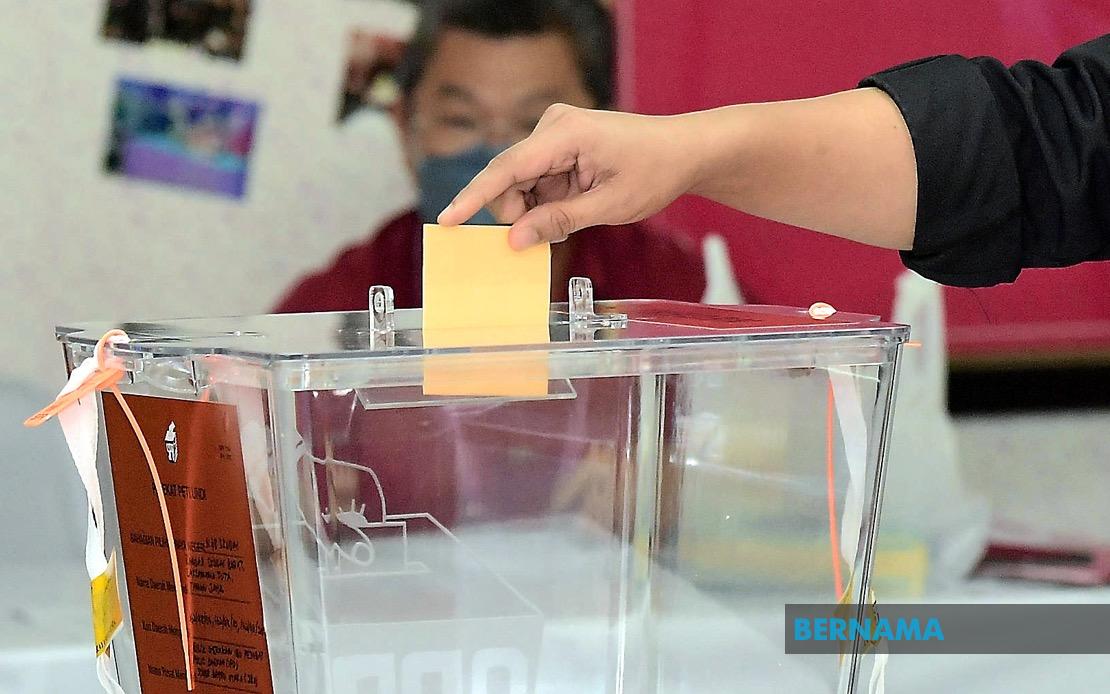
Johor's electorate has spoken, and the major political coalitions are now taking stock of the implications from the state election held on July 11. Barisan Nasional emerged as the decisive victor, capturing 29 of the 56 state assembly seats and securing a clear mandate to lead the state government under Menteri Besar Datuk Onn Hafiz Ghazi. Notably, the main opposition coalition Pakatan Harapan managed to win just two seats, while several other political formations failed to register any victories in what many observers view as a significant realignment in Malaysia's electoral landscape.
The Johor PAS commissioner, Datuk Dr Mahfodz Mohamed, has issued a formal statement acknowledging the democratic process and the clear preference expressed by voters in this crucial peninsular state. Rather than contesting the outcome or expressing disappointment, PAS has framed the result as a reflection of the people's wishes regarding who should govern Johor. This measured response signals that the Islamic party, which contested as part of the Perikatan Nasional coalition, intends to maintain its political cohesion despite the electoral setback. Dr Mahfodz's remarks emphasise that PAS and its coalition partners remain committed to their core mission of advancing religious values, communal interests, and public welfare—framing the Johor contest as merely one chapter in a longer political narrative extending toward the 16th General Election.
The acceptance of electoral outcomes by Perikatan Nasional components carries particular weight given the coalition's resurgence in recent years. For PAS specifically, the Johor election represents a moment to recalibrate its strategy without fracturing the alliance that has proven valuable in other state contexts. The party's willingness to respect the verdict—rather than alleging irregularities or questioning the process—reflects a degree of political maturity that observers have noted as distinct from more contentious post-election periods in Malaysian history. This stance also positions PAS favourably among urban and educated voters who increasingly value institutional stability and democratic norms.
Within the ruling coalition, however, partners are now conducting deeper analyses of their performance. Bersatu, the larger Malay-Muslim party within Perikatan Nasional, has tasked its secretary-general Datuk Seri Mohamed Azmin Ali with leading a comprehensive examination of the Johor results. The party intends to identify specific weaknesses in its electoral machinery, campaign messaging, and grassroots organisation that may have contributed to its failure to secure seats. This introspective approach suggests Bersatu recognises the need for structural improvements before contesting subsequent electoral contests. The party's willingness to conduct such reviews publicly acknowledges stakeholder concerns about its electoral viability and signals commitment to strengthening its competitive position.
Perhaps the most striking post-election statement came from Parti Bersama Malaysia, the newly-minted political vehicle led by Datuk Seri Rafizi Ramli. The party's performance was unambiguously poor: all 15 candidates forfeited their election deposits by failing to achieve the minimum vote threshold required to recover the deposit amount. Rather than deflect blame, Rafizi acknowledged this stark reality in a Facebook statement while framing the setback as a learning opportunity for an organisation that had existed for merely 52 days when it contested the election. This candour regarding the party's inexperience and underdeveloped organisational capacity suggests Rafizi understands that building a political party requires a longer timeframe than the compressed campaign period permitted.
Bersama's poor showing raises substantive questions about Malaysia's evolving political terrain and voter behaviour. The party attracted significant media attention due to Rafizi's prominence and track record in opposition politics, yet this visibility did not translate into electoral support. The complete forfeiture of deposits indicates that Bersama's campaign failed to establish meaningful resonance with Johor voters across multiple constituencies. This outcome may reflect voter reluctance to invest in untested political vehicles, preference for established party brands, or inadequate ground-level mobilisation by a nascent organisation. For Malaysian political analysts, Bersama's failure suggests that media profile and leadership credentials alone cannot overcome the structural advantages enjoyed by parties with established party machinery and community networks.
The broader Pakatan Harapan coalition, meanwhile, retained its presence in Johor with two seat victories but suffered a dramatic decline from its earlier 2018 state election performance. The coalition's inability to translate its federal government experience or policy proposals into electoral traction at the state level points to underlying weaknesses in either messaging, organisation, or voter sentiment. Opposition parties now face the strategic dilemma of whether to maintain existing alliance configurations or pursue alternative coalitional arrangements before the 16th General Election. The Johor result provides Pakatan components with concrete data about voter preferences and coalition performance that will inform their strategic calculations.
For Malaysian observers and international commentators monitoring the country's democratic trajectory, the Johor election results and the post-election responses reveal a political system navigating complex transitions. The acceptance of electoral verdicts by losing coalitions, the commitment to subsequent reviews and improvements, and the absence of significant contestation regarding voting integrity all suggest that Malaysia's democratic institutions retain substantial legitimacy. The peaceful transfer and retention of power based on electoral outcomes, regardless of the margin, remains a fundamental requirement for political stability.
The implications for Southeast Asia extend beyond Malaysia's borders. As a major regional economy and diverse democracy, Malaysian electoral patterns influence perceptions of democratic viability across the region. The Johor election demonstrates that Malaysia can conduct competitive elections, accommodate multiple political coalitions, and manage peaceful power transitions. These characteristics distinguish Malaysia from several regional neighbours and reinforce its positioning as a relatively stable democratic system, notwithstanding the significant polarisation and institutional challenges it faces.
Looking ahead, the statements from PAS, Bersatu, and Bersama indicate that all major political actors are now engaged in the lengthy process of preparing for the 16th General Election. Rather than dwelling on the Johor outcome, political parties are attempting to extract lessons and modify their strategies accordingly. This forward-looking orientation suggests that the state election, while significant, will ultimately represent one data point in a longer political cycle. The reviews promised by Bersatu and Bersama will occupy months of internal party discussions, potentially resulting in organisational restructuring, leadership assessments, or strategic repositioning before voters are again summoned to the polls at the national level.

